 31 citations
,
October 2010 in “Progress in lipid research”
31 citations
,
October 2010 in “Progress in lipid research” This review discusses the role of LPA(3) in embryo implantation and its genetic connection with prostaglandin signaling, but reports no new clinical results.
July 2025 in “Frontiers in Pharmacology” This study highlights the potential of GPR30 and its selective agonists as promising therapeutic targets for treating hair loss disorders and conditions that respond to estrogen, emphasizing their role in modulating hair growth.
 9 citations
,
August 2014 in “European journal of ophthalmology”
9 citations
,
August 2014 in “European journal of ophthalmology” This study found that PGF 2α receptors were predominantly present in the inner root sheath of the bulb and stem of human eyelashes during the anagen phase.
1 citations
,
January 2019 in “Digital Commons @ Olivet (Olivet Nazarene University)” This study found that alpha mangostin protected wild-type MCF10A breast cancer cells, but not p53 knockout cells, from damage by the chemotherapy agent paclitaxel.
4 citations
,
January 2025 in “International Journal of Molecular Sciences” This study found that progesterone and its metabolite, allopregnanolone, provided anti-anxiety and anti-depressive effects in female mice, potentially independent of nuclear progestin receptors but requiring 5α-reduction and estradiol's influence on brain-derived neurotrophic factor.
January 2021 in “대한피부과학회지” In this randomized controlled trial, the topical application of a PGA solution significantly increased hair density in patients with androgenetic alopecia compared to placebo, with no adverse reactions reported over 24 weeks, suggesting its potential as a safe and effective treatment option.
166 citations
,
September 2011 in “The Journal of Cell Biology” This study found that the p63 transcription factor plays a role in epidermal morphogenesis by regulating Satb1 expression, impacting chromatin architecture and gene expression in epidermal progenitor cells.
12 citations
,
June 2025 in “Gut Microbes” This study developed BroadAMP-GPT, a computational-experimental framework, to discover new antimicrobial peptides, identifying candidates effective against multidrug-resistant pathogens. Notably, AMP_S13 showed strong stability, low toxicity, and efficacy in infection models, highlighting the platform's potential in combating antimicrobial resistance.
 218 citations
,
October 2013 in “Proceedings of the National Academy of Sciences of the United States of America”
218 citations
,
October 2013 in “Proceedings of the National Academy of Sciences of the United States of America” This study found that removing PPARγ specifically from mouse adipose tissue led to severe fat loss, insulin resistance, diabetes, and associated metabolic abnormalities.
 138 citations
,
November 2015 in “Journal of Pharmacology and Experimental Therapeutics”
138 citations
,
November 2015 in “Journal of Pharmacology and Experimental Therapeutics” This review discusses the mechanisms associated with protoporphyrin IX in living cells and reports no clinical results; the authors emphasize its potential in cancer diagnosis and the risks of toxicity.
4 citations
,
January 2023 in “bioRxiv (Cold Spring Harbor Laboratory)” This study identified the genes for pyochelin siderophore biosynthesis as a novel target regulated by the heme-responsive PrrH sRNA in Pseudomonas aeruginosa.
8 citations
,
March 2024 in “Regenerative Therapy” This study found that using uniform poly(lactic-co-glycolic) acid microspheres to deliver insulin-like growth factor 1 stabilizes the protein and enhances its sustained delivery, supporting stem cell functions comparably to traditional methods, and showing potential for tissue and organ regeneration.
 10 citations
,
December 2021 in “Frontiers in cell and developmental biology”
10 citations
,
December 2021 in “Frontiers in cell and developmental biology” This study found that GPC1 is a crucial regulator of angiogenesis in human dermal microvascular endothelial cells, indicating its potential as a target for treating alopecia.
November 2022 in “Munich Personal RePEc Archive (Ludwig Maximilian University of Munich)” In this study, the pi4kβ1β2 double mutant in Arabidopsis thaliana exhibited altered root growth, increased susceptibility to Blumeria graminis, and a potential correlation between PI4K activity and auxin response and immunity due to changes in vesicular trafficking and actin filaments.
 March 2026 in “Cell Death Discovery”
 In this comprehensive review, researchers examine the p63 gene's crucial role in skin development and pathology, highlighting its regulation of cell processes and its potential therapeutic implications for disorders like ectodermal dysplasia.
 April 2016 in “Journal of Investigative Dermatology”
 This study found that gypenosides from Gynostemma pentaphyllum increased procollagen synthesis in vitro and reduced periorbital wrinkles by about 14% in a clinical trial with 24 women.
February 2023 in “International journal of molecular sciences” This study used infrared spectral imaging to show for the first time the distribution of glypican-4 and glypican-6 in hair follicles across different growth phases, highlighting the potential of this technique for studying alopecia.
 July 2021 in “Archives of Dermatological Research”
 This study found that serum GPER-1 levels were significantly higher in patients with androgenetic alopecia compared to healthy controls, suggesting a potential role in the condition's pathogenesis, independent of gender.
 February 2022 in “Research Square (Research Square)”
 This study demonstrated that LGR5 is a marker of hair follicle stem cells across species using a transgenic pig model and noted similarities and differences in expression patterns compared to humans.
176 citations
,
February 2006 in “Cancer Research” This study found that loss of Ptch1 function in mouse skin's basal cells is sufficient to rapidly induce tumors resembling human basal cell carcinoma, suggesting Ptch1 as a key tumor suppressor.
 11 citations
,
January 2008 in “International journal of environment and health”
11 citations
,
January 2008 in “International journal of environment and health” This review discusses the environmental contamination and health risks of Platinum Group Elements, highlighting their potential bioaccumulation and associated health issues, especially in vulnerable populations like children, and reports no new experimental findings.
4 citations
,
December 2024 in “European Journal of Medicinal Chemistry” This study reported the development of new pyrazole-based MPC inhibitors that effectively inhibit mitochondrial pyruvate transport, showing potential as therapeutic candidates for conditions like metabolic dysfunction-associated steatohepatitis without activating PPARγ.
 19 citations
,
November 1971 in “Clinica Chimica Acta”
19 citations
,
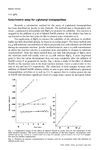
November 1971 in “Clinica Chimica Acta” In this study, the researchers found that the absence of the NFI-C transcription factor delayed the hair growth cycle in mice by affecting key gene expressions and signaling pathways.
1 citations
,
January 2013 This study observed that inducible deletion of the Ugcg gene in mouse epidermis led to a significant reduction in GlcCers and epidermal POS-Cers, causing impaired skin barrier function and delayed wound healing.
March 2023 in “Frontiers in Cell and Developmental Biology” This review covers the role of proteoglycans in tissue growth and regeneration and highlights several studies on their potential as therapeutic targets, but reports no new clinical results.
 1 citations
,
November 2022 in “Experimental cell research”
1 citations
,
November 2022 in “Experimental cell research” This study found that a PGE2 matrix, when injected subcutaneously, increased the proportion of developing hair follicles and improved hair follicle stem cell markers in a mouse model of hair loss.
 3 citations
,
February 2019 in “Animal biotechnology”
3 citations
,
February 2019 in “Animal biotechnology” In this study, the PLP2 gene was found to promote secondary hair follicle development in Liaoning cashmere goats, with its expression negatively regulated by melatonin and potentially affecting follicle development via the BMP pathway.
22 citations
,
July 2021 in “Journal of Investigative Dermatology”  March 2026 in “Zenodo (CERN European Organization for Nuclear Research)”
 This publication presents a library of geometric medicines designed to selectively target pathogenic bacteria and fungi with high precision while minimizing ecological harm, available for free on a non-commercial basis.
 93 citations
,
June 2011 in “Journal of Neuroscience”
93 citations
,
June 2011 in “Journal of Neuroscience” This study found that the transcription factor p63 is crucial for horizontal basal cell differentiation in the olfactory epithelium, suggesting a p63-dependent mechanism activates reserve stem cells after injury.