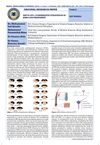
 November 2025 in “PARIPEX-INDIAN JOURNAL OF RESEARCH”
 GFC is more effective than PRP for treating hair loss.
 May 2022 in “Journal of Immunology”
 In this study, a TGF-β mimic molecule from Heligmosomoides polygyrus was observed to enhance wound healing in mice, with improved tissue regeneration and specific immune cell recruitment without increased scarring.
 31 citations
,
February 2014 in “Journal of dermatological science”
31 citations
,
February 2014 in “Journal of dermatological science” This study found that placental growth factor (PlGF) enhanced hair shaft elongation and accelerated hair follicle growth, suggesting its potential as a therapeutic target for alopecia.
 12 citations
,
January 2018 in “Biomaterials Science”
12 citations
,
January 2018 in “Biomaterials Science” This study observed that dermal papilla cell aggregates showed increased viability and gene expression on softer 3D substrates, indicating the importance of substrate stiffness in cellular behavior.
January 2012 in “RWTH Publications (RWTH Aachen)” This study found that patient-derived HGF significantly accelerates wound healing in diabetic mice, particularly improving skin structure and flexibility, and rHGF plays a key role in boosting hair growth.
 26 citations
,
March 2013 in “Journal of Biomedical Materials Research Part A”
26 citations
,
March 2013 in “Journal of Biomedical Materials Research Part A” This study demonstrated that PEGDA hydrogel microwells successfully supported cell survival and proliferation while mimicking hair follicle architecture in vitro, suggesting a potential tool for hair follicle engineering.

This study found that Pygo2 is crucial for early intestinal hyperproliferation induced by stabilized β-catenin, suggesting it as a potential target for therapeutic intervention in cancers with β-catenin mutation.
63 citations
,
May 2015 in “PloS one” This study found that GALT5 and GALT2 are redundant enzymes essential for O-glycosylation of AGPs, with mutations leading to significant growth and development defects in plants.
148 citations
,
October 1997 in “Journal of Investigative Dermatology” TGF-β receptors are crucial for hair follicle development.
2 citations
,
February 2012 in “PubMed” This study found that Gp₄G increased hair length, papilla cell numbers, and versican deposition in treated animals, potentially through alterations in hair follicle phases and nucleotide concentrations.
October 2025 in “Animals” This study explored the genetic regulation of goose feather follicle development, identifying miR-200a as a key regulator that inhibits GEDF proliferation through the Wnt pathway, potentially impacting goose down quality and supporting selective breeding strategies.
 March 2026 in “bioRxiv (Cold Spring Harbor Laboratory)”
 In this study, researchers developed a new method called Enriched-GF, which enhances growth factor recovery from platelet concentrates through a combination of glass bead activation, freeze-thaw cycling, and calcium stimulation, outperforming conventional methods by providing higher and more consistent yields for regenerative medicine applications.
November 2022 in “bioRxiv (Cold Spring Harbor Laboratory)” This study found that prostaglandin E2 pretreatment may reduce radiotherapy-induced alopecia by enhancing hair follicle self-repair through transient G1 arrest, suggesting a potential preventive treatment.
January 2016 in “Más dermatología” This review discusses the expanding use of platelet-rich plasma (PRP) in chronic ulcer treatment and aesthetics but reports no new clinical findings; PRP's composition, including growth factors, relates to tissue repair and potential hair growth.
This study found that selective deletion of PIKFyve kinase using a PF4 promoter in mice led to defective platelet lysosome biogenesis and a prothrombotic effect, with unexpected macrophage infiltration in multiple organs.
14 citations
,
July 2021 in “Bioinformatics” This study demonstrates the use of rPanglaoDB, an R package for combining public single-cell datasets, to create the first unbiased transcriptome profile of fibrocytes, revealing their role in tissue healing.
1 citations
,
January 2024 in “Pharmaceuticals” The researchers reported that dPGS-PCL as a carrier improved the penetration of tofacitinib in an ex-vivo human skin model compared to free tofacitinib, but did not show significant differences in inhibiting IL-6 and IL-8 during short incubation.
 September 2026 in “Mendeley Data”
 This study found that a polyurethane-cellulose acetate scaffold with plasma rich in growth factors may enhance gene expression related to wound healing in an experimental setting.
 November 2012 in “The Journal of Urology”
 Certain gene variants may raise the risk of prostate enlargement, but taking NSAIDs could reduce this risk.
 March 2021 in “Institutional Repositories DataBase (IRDB)”
 Heparin-functionalized nanofabrics help heal wounds effectively and safely without scars in 14 days.
 September 2026 in “Mendeley Data”
 This study found that the polyurethane-cellulose acetate scaffold containing plasma rich in growth factors enhanced gene expression linked to wound healing compared to controls.
1 citations
,
January 2019 in “PubMed” This study found that transgenic mice expressing cgVEGF164 had increased hair follicle diameter and density, potentially linked to higher phosphorylation levels of ERK1/2, AKT1, and LEF1 proteins.
1 citations
,
January 2019 in “British Poultry Science” This study found that specific genes related to vascular endothelial growth factors are critical for feather maturity in certain chicken breeds, identifying key genetic markers that could enhance breeding efficiency.
January 2025 in “Fìzìologìčnij žurnal” This study found that in patients with elevated fibrinogen levels undergoing revision rhinoplasty, PDRN decreased M1 cytokines and increased M2 cytokines, potentially offering a new therapeutic approach, but further research is needed to understand its mechanisms and effects fully.
 80 citations
,
April 2011 in “Plant physiology”
80 citations
,
April 2011 in “Plant physiology” This study suggests that the GPX-PDE1 and GPX-PDE2 genes in white lupin enhance root hair development and contribute to Pi limitation acclimation by facilitating glycerophosphodiester degradation.
December 2024 in “Biochemical and Biophysical Research Communications” LMWP-PDGFA shows promise for improving hair health and treating hair loss with fewer side effects.
 10 citations
,
May 2016 in “Journal of Dermatological Science”
10 citations
,
May 2016 in “Journal of Dermatological Science” This study found that PDGF-BB affects human melanocytes differently depending on their differentiation stage, stimulating melanoblast proliferation but inhibiting melanocyte proliferation while promoting their differentiation.
November 2025 in “Biomolecules” This study found that overexpressing FGF22 in dermal papilla cells enhanced hair follicle stem cell proliferation and viability, while its knockout reduced these attributes, indicating its role in hair follicle regeneration.
January 2008 in “Dialnet (Universidad de la Rioja)” This study found that compound 2 from Polygonum multiflorum increased dermal papilla cell proliferation and vibrissa follicle hair-fiber length more effectively than minoxidil in vitro, suggesting potential for alopecia treatment.
 July 2026 in “International Journal of Molecular Sciences”
 This study found that TSG-enriched Polygonum multiflorum extract, optimized through microwave-assisted and chromatographic methods, promotes hair regrowth in a mouse model of androgenetic alopecia via 5α-reductase inhibition and Wnt/β-catenin pathway activation, suggesting its potential as a natural treatment.