21 citations
,
July 2015 in “International Journal of Nanomedicine” In this study, ultradeformable liposomes containing Tween 20 or terpenes increased phospholipid bilayer fluidity and enhanced skin penetration of sodium fluorescein, with terpenes improving hair follicle penetration.
18 citations
,
April 1998 in “MIT Press eBooks” This study found that topical application of N,N-dimethylglycine sodium salt increased dermal blood flow and velocity in human subjects, likely through its effects on endothelial cells and NO-dependent vasodilation.
27 citations
,
January 2016 in “Cellular Physiology and Biochemistry” This study found that the extract of Bidens pilosa L. improved dry eye symptoms associated with androgen deficiency in rats by enhancing tear production, stabilizing the tear film, and reducing lacrimal gland inflammation.
This study established a simple, accurate, and precise HPLC method for determining the content and content uniformity of finasteride capsules.
November 2018 in “Studies in Medical Sciences” This study found that Finasteride microemulsion gel significantly reduced acne lesions in men compared to a control treatment over three months.
 January 2025 in “Investigative and Clinical Urology”
 This study found that after 12 weeks of taking the trial product SHPro®, participants reported improvements in prostate symptom scores and erectile function, with confirmed safety.
 4 citations
,
May 2013 in “Dermatologic Surgery”
4 citations
,
May 2013 in “Dermatologic Surgery” Three new techniques simplify and improve the preparation of tissue samples for skin cancer surgery.
7 citations
,
March 1990 in “Pigment Cell Research” This animal study observed that while topical MBEH and intraperitoneal phenol induced hair graying in eumelanic mice, they had little effect on pheomelanic mice, and amcinonide reduced certain epidermal melanocytes in both.
 July 2018 in “DOAJ (DOAJ: Directory of Open Access Journals)”
 This study found that finasteride delivered through a nano-transferosomal gel showed improved penetration through skin layers compared to a conventional gel, suggesting a potential alternative for oral administration.
This study found that exposure to Prussian Blue caused significant detachment of cuticle segments from the hair shaft in both new and aged human hairs.
124 citations
,
July 1997 in “Journal of Biological Chemistry” This study found that overexpression of an enzyme in transgenic mice led to distorted polyamine levels, resulting in permanent hair loss and female infertility.
 5 citations
,
January 1994 in “Skin Pharmacology and Physiology”
5 citations
,
January 1994 in “Skin Pharmacology and Physiology” This study found that minoxidil forms a reservoir in the skin, allowing sustained drug delivery even after cleansing, while propylene glycol does not.
 7 citations
,
April 2021 in “Journal of advanced pharmaceutical technology & research”
7 citations
,
April 2021 in “Journal of advanced pharmaceutical technology & research” This study reported that compound 16 (olean-12-en-3beta-ol, cinnamate) from Merremia peltata showed potential as an androgen receptor antagonist, suggesting it may benefit alopecia treatment based on molecular docking and ADME-Tox predictions.
 6 citations
,
July 2009 in “Biomolecules & therapeutics”
6 citations
,
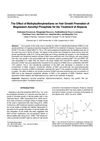
July 2009 in “Biomolecules & therapeutics” This study found that combining MSM with MAP significantly enhanced hair growth in mice, comparable to or better than minoxidil, due to increased intradermal retention of MAP.
 25 citations
,
January 1983 in “Analyst”
25 citations
,
January 1983 in “Analyst” Method measures minoxidil in tablets accurately and easily.
 July 2023 in “Journal of bioscience and bioengineering”
 This study found that slow vitrification using DMSO for cryopreserving hair follicle germs in mouse skin showed effective hair regeneration, making it a promising method for hair regenerative medicine.
 January 2018 in “Repositorio de Tesis - UNMSM”
 In this experimental study on Holtzman rats with induced benign prostatic hyperplasia, the researchers observed that the extract of Physalis peruviana (aguaymanto) had a greater therapeutic effect on prostate weight reduction and prostatic epithelium height compared to finasteride and terazosine.
 2 citations
,
April 2008 in “Journal of Dispersion Science and Technology”
2 citations
,
April 2008 in “Journal of Dispersion Science and Technology” This study observed that including cationic minoxidil particles in a shampoo facilitated notable hair growth promotion despite a negative surface charge after rinsing, likely due to ionic interactions with the skin.
 January 2025 in “The World Journal of Men s Health”
 In this study, autologous intratesticular PRP injection was found to be a feasible and well-tolerated procedure with low complication rates and quick recovery, but the authors indicated that current evidence is insufficient to confirm its effectiveness for mTESE.
August 2026 in “Women s Health” This preliminary pilot study found that a combined microneedling-assisted Panax ginseng exosome protocol with adjunctive inner gel use led to short-term improvements in patient-reported vulvovaginal symptoms and qualitative improvements in vulvar skin tone, though results are preliminary and based on a small, uncontrolled sample.
August 2025 in “International Journal of Biochemistry Research & Review” In this study, G. brevis and M. myristica, alone or together, improved hematological and testicular antioxidant parameters in male rats with finasteride-induced reproductive toxicity, showing potential protective effects against oxidative stress and supporting therapeutic use for related male reproductive disorders.
 5 citations
,
January 1998 in “Journal of Toxicologic Pathology”
5 citations
,
January 1998 in “Journal of Toxicologic Pathology” This study found that topical treatment with Maneb led to delayed epithelial cell degeneration in hair follicles of rats due to apoptosis.
12 citations
,
October 1947 in “Journal of the Society of Dyers and Colourists” This study found that treatment with mercuric acetate modifies the elastic properties of Lincoln wool fibers more rapidly than human hair, explaining the enhanced unshrinkable quality of wool under certain conditions.
1 citations
,
June 2016 in “DOAJ (DOAJ: Directory of Open Access Journals)” This study found that an Enterobacter isolate demonstrated high resistance to selenate and effective sorption capacity, suggesting potential for bioremediation of selenium-contaminated environments.
November 2024 in “bioRxiv (Cold Spring Harbor Laboratory)” This study introduced a novel scarless healing material called pgPE, made from a porous UHMWPE nanomembrane, and found that it promotes complete skin reconstruction and hair follicle regeneration by alleviating hypoxia and modulating immune responses to foster scar-free wound healing.
This study found that ethanol extract of fragrant pandanus leaves inhibited the growth of the dandruff-causing fungus Pityrosporum ovale, with higher concentrations showing greater inhibitory effects.
9 citations
,
July 2022 in “Journal of Cosmetic Dermatology” In this study, an ammonia-free and PPD-free permanent hair dye was tested on 50 ethnically diverse females, showing no cases of contact dermatitis and significant improvements in hair shine, color, moisturization, porosity, and combability after two dyeing sessions.
March 2024 in “Pakistan Journal of Pharmaceutical Sciences” This study found that minoxidil nanoliposomes led to faster hair growth and better scalp bacteria reduction in mice compared to traditional minoxidil.
May 2023 in “CRC Press eBooks” This research reports that multilamellar phospholipid liposomes showed the highest follicular penetration of a water-soluble dye in vitro compared to other cosmetic vehicles, suggesting potential benefits for enhancing hair conditioning and treating hair loss.
7 citations
,
October 2024 in “Drug Delivery and Translational Research” In this study, using an ex vivo porcine skin model, researchers found that a 4% nanoparticle concentration significantly enhanced the transport of fluorescein sodium into hair follicles compared to a 2% concentration, while higher concentrations did not further increase penetration depth.