 February 2026 in “Bioimpacts”
 This review discusses advancements and challenges in using 3D bioprinting for diabetic foot ulcer treatments, highlighting potential improvements and existing limitations in replicating skin architecture and clinical application.
 February 2026 in “Human Cell”
 This study found that factors released by mesenchymal stromal cells can enhance the proliferation and migration of keratinocytes in vitro, which may contribute to improved understanding of their role in wound healing and potential applications in dermal regeneration therapies.
 January 2026 in “Scientific Reports”
 In this study, researchers found that sesamin, a component of sesamum, modulated the AR-MAPK-Wnt signaling pathway in DHT-stimulated HaCaT keratinocytes, demonstrating potential multi-target activity against molecular events in androgenetic alopecia.
 January 2026 in “Food and Nutrition Sciences”
 This randomized, placebo-controlled trial reported that USPlus PRO saw palmetto extract significantly improved lower urinary tract symptoms, including voiding, incomplete emptying, and weak stream, as well as sexual function in males over 12 weeks, while maintaining a favorable safety profile.
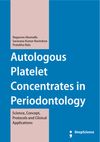
In this book, the authors provide an accessible overview of platelet concentrates and their dental applications, highlighting their role in tissue healing and regeneration, and reviewing recent studies on their efficacy in periodontal therapy, implant dentistry, and oral surgery.
 November 2025 in “Frontiers in Veterinary Science”
 In this study, feeding H-line chickens a diet with 1.0% tyrosine for 40 days significantly increased melanin deposition in feathers and revealed changes in gene expression related to melanin pathways, suggesting tyrosine's involvement in regulating feather color through the EDNRB2 regulatory network.
 November 2025 in “Clinical Cosmetic and Investigational Dermatology”
 This study found that a combination of five medicinal plants traditionally used in Chinese medicine significantly improved skin repair and delayed aging markers in laboratory models, suggesting synergistic anti-aging effects over individual ingredients.
 October 2025 in “Animal Bioscience”
 This review summarizes the application of genome wide association studies and selection signature analyses in sheep and goat breeding in China, highlighting genomic regions that influence traits like reproductive performance and body size.
 October 2025 in “Cermin Dunia Kedokteran”
 This review discusses personalized treatment strategies and management approaches for chronic obstructive pulmonary disease (COPD), emphasizing the need for multi-aspect assessments, but reports no new clinical findings.
 September 2025 in “Animal Bioscience”
 This study found that triglyceride and energy metabolic pathways are crucial factors influencing wool fiber diameter in fine-wool Alpine Merino sheep, providing insights for enhancing wool quality.

This study utilized a mouse model of traumatic brain injury to reveal that acute neurotrauma triggers widespread lipid metabolism reprogramming and storage lipid accumulation in microglial and monocyte populations, leading to lysosomal dysfunction, inhibited autophagy, and exacerbated inflammation through a pathological feedback loop.

This study found that intrinsic feedback loops are crucial for maintaining the function of human dermal papilla cells during hair growth, highlighting the importance of autocrine signaling and niche reprogramming for advancing hair follicle biology and regenerative therapies for hair loss.
 June 2025 in “Saratov Medical Journal”
 This review highlights recent advances in dermatology, including innovations in skin cancer treatments, acne and psoriasis management, trends in cosmetic procedures, and the impact of telemedicine, emphasizing ongoing research's role in enhancing patient care and outcomes.
In this study, human dermal papilla cells exposed to wasabi leaf extract showed changes in cytokine-related gene expression, which the authors suggest could help clarify the biological effects of wasabi.
 May 2025 in “Journal of Drug Delivery and Therapeutics”
 This review discusses the integration of modern and Unani medicine in the management of Benign Prostatic Hyperplasia, highlighting the potential of Unani herbal formulations as promising alternatives with minimal side effects but reports no new clinical results.
 February 2025 in “Biointerface Research in Applied Chemistry”
 This study outlines the potential of drug repurposing to discover new uses for existing medications, emphasizing its cost-effectiveness, efficiency, and ability to address rare diseases by targeting novel biological mechanisms and relying on established safety profiles.
 January 2025 in “Hospital Pharmacology - International Multidisciplinary Journal”
 In this study, researchers explored the effects of various medications on eye health, noting that systemic and local ophthalmic drugs can lead to both widespread and specific ocular side effects, with serious adverse events most associated with neurotropic, immunotropic, and antitumor medications.
 January 2025 in “International Journal of Advancement in Life Sciences Research”
 In this cross-sectional study at a hospital in Nandyala, researchers identified nine drugs with potential new uses, noting that Aspirin and Dapagliflozin were most frequently repurposed, and observed changes in indications, dosage, and frequency, suggesting further clinical validation is needed for safety and efficacy.
 December 2024 in “Frontiers in Veterinary Science”
 This study on Dorper sheep identified important genetic factors influencing hair follicle development, finding that expression patterns and genes like DBI, FZD3, and ZDHHC21 play a crucial role in wool shedding, which could help improve understanding of mammalian skin-related traits and human hair advancement.
This study explored new molecular structures as potential COVID-19 treatments, identifying a compound called Hit15 that inhibited viral infection in lab settings and reduced inflammation markers in human neutrophils, suggesting further development is warranted.
This study found that ARHGEF3 is crucial for hair follicle development in mice, as its absence leads to defects in placode compaction and impaired follicle downgrowth, highlighting its role in regulating cell shape rearrangements during embryogenesis.
Personalized care and evidence-based treatments are crucial for managing skin and hair conditions.
 May 2024 in “Open Repository of the University of Porto (University of Porto)”
 This report details the experiences gained during a pharmacy internship in both hospital and community settings, highlighting the preparation of sildenafil suspensions for hospital use, patient consultations on autoimmune conditions, and educational material creation in community pharmacy, alongside insights into diabetes and ADHD treatments.

This study suggests that targeting the increased expression of SIX1 in systemic sclerosis may be a viable strategy for addressing dermal fibrosis.
 March 2024 in “Frontiers in genetics”
 This study used genomic analysis to reveal moderate genetic diversity, minimal inbreeding, and specific genes under positive selection in Xiangdong black goats, highlighting their unique adaptation traits and potential for breeding and conservation.
 February 2024 in “BioMetals”
 This review found substantial data suggesting that heavy metals may influence tumor development and progression in cancers such as breast, lung, prostate, and gastric, though noted limitations and gaps in research data require further investigation.
 January 2024 in “Frontiers in endocrinology”
 This study found that genetic variants linked to hypothyroidism significantly increased the risk of developing alopecia areata, suggesting a causative connection between the two conditions.
 December 2023 in “Journal of health and rehabilitation research”
 In this study conducted at a tertiary care hospital in Karachi, oral Apremilast significantly reduced the severity of alopecia areata, shown by a notable decrease in SALT Scores over 12 weeks, suggesting it may be an effective alternative treatment option for this condition.
 December 2023 in “bioRxiv (Cold Spring Harbor Laboratory)”
 This research examined the transcriptional landscape of quiescent melanocyte stem cells (qMcSCs) in adult female mice, revealing significant heterogeneity within this cell population and identifying novel subpopulations that vary in immune privilege regulation, melanocyte differentiation potential, and neural crest potential.
 December 2023 in “International Journal of Applied Pharmaceutics”
 This study found that 12.5% moringa seed oil demonstrated optimal anti-alopecia activity in rabbits, significantly improving hair weight compared to the treatment with 0.1% finasteride.