 July 2023 in “Journal of lasers in medical sciences”
 This case report describes the first use of photobiomodulation therapy with a continuous wave red laser (660 nm) as monotherapy for alopecia areata, resulting in significant hair regrowth within 7 days, though further research is needed for conclusive evidence.
 437 citations
,
August 2014 in “Cell metabolism”
437 citations
,
August 2014 in “Cell metabolism” This perspective suggests that browning agents may not directly enhance UCP1 expression in white adipose tissue but instead induce browning through increased heat loss, prompting thermogenesis to compensate.
 43 citations
,
September 2017 in “Lasers in Surgery and Medicine”
43 citations
,
September 2017 in “Lasers in Surgery and Medicine” This study found that LED light irradiation induced proliferation and migration of human outer root sheath cells, potentially through the stimulation of the Wnt/β-catenin and ERK signaling pathways.
 April 2021 in “Journal of Investigative Dermatology”
 This study observed that photobiomodulation therapy may contribute to hair growth stability or improvement in individuals with darker skin types, without reported adverse events, though its findings are limited by a small sample size.
April 2025 in “Journal of Biophotonics” This study found that 808 nm laser photobiomodulation altered mitochondrial respiration and enhanced osteogenic protein expression in human dental pulp stem cells, with the effects being dose-specific and more pronounced at 15 J/cm².
2 citations
,
April 2024 in “Cosmetics” This study investigated non-laser methods for removing permanent makeup using plant extracts, testing their decolorization effects on mice through tattooing and electroporation techniques.
 1 citations
,
March 2024 in “Cellular and Molecular Biology”
1 citations
,
March 2024 in “Cellular and Molecular Biology” In this study, researchers observed that Zibai ointment promoted chronic wound healing in rats by influencing the bFGF/Wnt/β-Catenin signaling pathway, demonstrating a higher wound healing rate compared to other treatments.
7 citations
,
April 2000 in “Mammalian Genome” This study identified a new mutation in SELH/Bc mice causing distinctive whisker and body hair abnormalities, mapped near the type I keratin cluster on chromosome 11.
October 2023 in “Biomimetics” This study developed a biocompatible hair-dyeing technology using a dark polyphenol complex, which demonstrated effective hair coating, improved mechanical strength, and strong antioxidant properties while maintaining high cell viability.
6 citations
,
June 1994 in “Journal of Animal Science” This study found that none of the depigmenting compounds tested in beef heifers produced a permanent depigmenting effect, though visible depigmentation lasted up to 3 months.
 June 2020 in “The journal of investigative dermatology/Journal of investigative dermatology”
 This study found that low-level pulsed wave red light stimulated collagen and ATP production in human fibroblasts with significantly shorter treatment time than continuous wave light, suggesting enhanced consumer compliance for skin treatments.
This chapter summarizes the efficacy of NB-UVB monotherapy for vitiligo and notes that patients treated with tacrolimus showed significantly better repigmentation.
 39 citations
,
July 2008 in “Dermatologic Therapy”
39 citations
,
July 2008 in “Dermatologic Therapy” This review provides a practical approach to diagnosing pseudopelade of Brocq and updates on treatment options but reports no new clinical results.
September 2024 in “Genes” This study found significant genetic differences between pigs with and without hair whorls, suggesting potential implications for pig breeding strategies in China.
September 2023 in “Journal of the American Academy of Dermatology” In this study of pediatric melanocytic lesions, researchers at Massachusetts General Hospital observed no concurrent BAP1 loss and BRAFV600E positivity, characteristics of adult BIMT, suggesting that these tumors may develop at a later age rather than in childhood.
 25 citations
,
May 2020 in “Progress in Organic Coatings”
25 citations
,
May 2020 in “Progress in Organic Coatings” This study found that bio-based waterborne polyurethanes derived from castor oil may offer effective hair-styling performance without skin irritation and appear to be safer for the environment compared to traditional hair sprays.
 December 2025 in “Biological and Clinical Sciences Research Journal”
 In this study, the Waris Hairline Dot Technique for hair transplantation demonstrated high patient satisfaction, excellent naturalness, rapid healing, and minimal complications, suggesting it is a reproducible and aesthetically superior method for creating natural hairlines.
December 1963 in “Medical Entomology and Zoology” This study found that Wnt1a overexpression from bone marrow mesenchymal stem cells enhanced hair follicle regeneration in mice by promoting the dermal papilla's role in hair cycling and gene expression recovery.

In this study, VB-1 was reported to promote human hair follicle growth by enhancing Wnt/β-catenin signaling and increasing human dermal papilla cell proliferation in vitro.
 2 citations
,
July 2023 in “International Journal of Molecular Sciences”
2 citations
,
July 2023 in “International Journal of Molecular Sciences” This study found that applying a formulation derived from Bacopa procumbens significantly promoted hair growth, pigmentation, and follicular cycle acceleration in mice compared to minoxidil, potentially offering a new therapeutic approach for hair health.
1 citations
,
December 2010 in “Daehan miyong hakoeji” This study found that Polygoni multiflori Radix water extracts accelerated hair regrowth and hair follicle development in mice, showing a safer profile compared to minoxidil.
16 citations
,
February 2008 in “PubMed” Vitamin B12 deficiency can cause skin darkening and white hair, but it's reversible.
 10 citations
,
January 2010 in “Acta dermato-venereologica”
10 citations
,
January 2010 in “Acta dermato-venereologica” Light therapy can effectively treat vitiligo and hair loss caused by a specific medication.
7 citations
,
September 1991 in “Journal of Andrology” In this study, 4‐MAPC treatment reduced ventral prostate weight in rats primarily through decreased synthetic activity, with testosterone propionate increasing prostate weight and activity at pharmacologic doses.
 29 citations
,
January 2021 in “Journal of Investigative Dermatology”
29 citations
,
January 2021 in “Journal of Investigative Dermatology” This study demonstrates that dermal white adipose tissue regulates human hair growth and pigmentation through hepatocyte growth factor secretion, highlighting potential therapeutic targets for hair-related disorders.
19 citations
,
July 2004 in “Journal of Medical Primatology” In this study, zinc toxicosis in infant baboons was attributed to excessive environmental exposure, highlighting the importance of cage design in captivity and potential use of baboons as a developmental model.
 September 2024 in “Genes”
 This study found that overexpressing CRABP1 in dermal papilla cells promotes their proliferation and influences key genes in the Wnt/β-catenin signaling pathway, which may offer insights into mechanisms controlling hair follicle development.
 August 2019 in “Journal of Invertebrate Pathology”
 This study observed that different alkaline buffers had a significant impact on the volume of liquid consumed by fall armyworm larvae, emphasizing the importance of measuring imbibed volumes to reduce dose errors in bioassays.
 April 2010 in “The Journal of Urology”
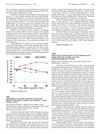
 Human prostate cells produce more WISP1/CCN4 when there's not enough oxygen.
11 citations
,
October 1941 in “Experimental Biology and Medicine” PABA helps prevent gray hair and hair loss in mice.