 January 2020 in “bioRxiv (Cold Spring Harbor Laboratory)”
 This study found that the ethyl acetate extract of Semecarpus anacardium leaves demonstrated cytotoxicity against MCF-7 cancer cells and induced apoptosis, suggesting potential as a cancer treatment with fewer side effects.
 1 citations
,
January 2019 in “Advances in Medical Sciences”
1 citations
,
January 2019 in “Advances in Medical Sciences” This study found that a combination of azelaic acid, minoxidil, and caffeine significantly reduced skin flap necrosis in rats, likely by increasing nitric oxide content and iNOS expression, compared to individual treatments.
 11 citations
,
May 2016 in “Naunyn-Schmiedeberg's Archives of Pharmacology”
11 citations
,
May 2016 in “Naunyn-Schmiedeberg's Archives of Pharmacology” This study found that 15-dPGJ2 promotes apoptosis in human follicular keratinocytes, suggesting its potential role in developing hair loss prevention treatments through DP2 antagonism.
13 citations
,
January 2010 in “Immunopharmacology and immunotoxicology” This study found that increased Bcl-2 protein expression after DPCP treatment was associated with hair regrowth in alopecia areata patients, suggesting its role in inhibiting apoptosis.
3 citations
,
December 2018 in “Biomedical and pharmacology journal/Biomedical & pharmacology journal” This study found that compound 3 derived from aza-bicyclo-carboxylic acid may exert a cardioprotective effect by reducing infarction area in myocardial ischemia-reperfusion injury, potentially involving A1-adenosine receptor activation and changes in cAMP levels.
 April 2016 in “Journal of The American Academy of Dermatology”
 Ixekizumab is effective and safe for patients who did not improve with etanercept treatment for psoriasis.
8 citations
,
January 1977 in “Acta Haematologica” This study found that the PVP protocol, combining Peptichemio, vincristine, and 6-methylprednisolone, resulted in remission for diffuse non-Hodgkin's lymphomas with moderate side effects.
December 2016 in “Indonesian Journal of Tropical and Infectious Disease/Indonesian Journal of Tropical an Infectious Disease” In this case report, a two-year-old girl with kerion type of tinea capitis successfully achieved clinical and mycologic cure with double pulse dose terbinafine and 2% ketoconazole shampoo over two months, with excellent tolerability and no side effects.
1 citations
,
January 1989 in “Carcinogenesis” This study found that dexamethasone treatment inhibited the inflammatory response and the induction of ornithine decarboxylase activity in mouse skin after TPA application, although the effect on ODC was weaker during the hyperplastic stage.
6 citations
,
June 2009 in “Clinical and Experimental Dermatology” In this study, topical tacrolimus 0.1% ointment applied to mice skin decreased Vegf and Igf-1 mRNA levels during late anagen but did not alter hair cycling or skin appearance compared to untreated skin.
26 citations
,
June 2003 in “PubMed” In this study, severe hair loss occurred in PKC epsilon transgenic mice treated with DFMO during skin tumor prevention, highlighting a link between polyamine biosynthesis, hair follicle maintenance, and metastasis suppression.
33 citations
,
January 1997 in “Journal of Investigative Dermatology” Interleukin-1β stops hair growth by increasing cyclic AMP levels.
4 citations
,
July 1983 in “Journal of steroid biochemistry/Journal of Steroid Biochemistry” In this study, hirsute women treated with cyproterone acetate and ethinyloestradiol experienced significant reductions in sebum secretion and hair growth after several months.
5 citations
,
July 2023 in “Microorganisms” This study analyzed skin biopsies from human monkeypox virus (hMPXV1) cases and found characteristic pustular stage features, including epidermal necrosis, shadow cell appearance, ballooned keratinocytes, and a dense inflammatory infiltrate, expanding histological knowledge crucial for understanding this disease and related Orthopoxvirus infections.
9 citations
,
March 2022 in “Journal of Chemical Information and Modeling” This study identified a series of novel β-glucuronidase inhibitors that may help mitigate adverse effects of first-line anti-cancer drugs by targeting gut bacteria, based on virtual high-throughput screening findings.
January 2026 in “International Journal of Innovative Technologies in Social Science” This review synthesizes information on isotretinoin’s systemic toxicity, emphasizing that its adverse effects, including mucocutaneous, hepatic, and musculoskeletal reactions, primarily reflect its pharmacodynamic actions and are generally manageable with individualized dosing and monitoring, though its teratogenicity remains a significant safety concern.
 37 citations
,
January 2015 in “Evidence-based Complementary and Alternative Medicine”
37 citations
,
January 2015 in “Evidence-based Complementary and Alternative Medicine” This study found that Bokusoku extract and its compound pentagalloyl glucose inhibited testosterone metabolism and sebum synthesis, suggesting potential therapeutic use for androgen-related acne.
2 citations
,
July 2025 in “Acta Pharmacologica Sinica” Isoginkgetin reduces inflammation in cells by blocking NF-κB activation.
 9 citations
,
May 2005 in “Expert Review of Clinical Immunology”
9 citations
,
May 2005 in “Expert Review of Clinical Immunology” This article examines anticytokine therapies for autoimmune diseases, highlighting the potential of anti-interferon-γ as a universal treatment for certain conditions and noting varying effectiveness of tumor necrosis factor-α inhibitors.
April 2017 in “The journal of investigative dermatology/Journal of investigative dermatology” This study found that topical Vorinostat induced significant hair regrowth in mice with alopecia areata, suggesting it as a potential repurposable treatment for the condition.
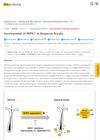
In this mouse model study, researchers observed that RIPK1 inhibitors delayed the onset of alopecia areata by modulating immune cells, specifically dendritic and CD8+ T cells, and increased hair length in organ culture mimicking the condition.
October 2019 in “Asian College of Neuropsychopharmacology”  August 2018 in “bioRxiv (Cold Spring Harbor Laboratory)”
 This study identifies diltiazem as a promising repurposed drug for treating influenza, supported by its antiviral activity and gene modulation effects, leading to a Phase II clinical trial authorization.
April 2017 in “Journal of Investigative Dermatology” Deleting Crif1 in mouse skin disrupts skin balance and hair growth.
September 2022 in “Journal of Sulaimani Medical College” In this study, the combination of topical minoxidil 5% and betamethasone valerate 0.1% achieved slightly higher depigmentation in vitiligo of hair-bearing areas but did not show significant improvement over betamethasone valerate alone.
In this study, deer hair follicles were shown to be an effective in vitro bioassay model, demonstrating that K(ATP) channel modulators directly influence hair follicle growth through specific channel types.
 April 2020 in “The FASEB Journal”
 This study found that blocking the hypothalamic-pituitary-gonadal axis in male rats reduced baroreflex dysfunction and inflammation caused by endotoxemia, highlighting potential therapeutic benefits.
December 2021 in “OPAL (Open@LaTrobe) (La Trobe University)” This review discusses recent advancements in targeted therapies for vitiligo, highlighting the therapeutic potential of JAK inhibitors and mesenchymal stem cell-derived extracellular vesicles, and reports no new clinical results.
31 citations
,
September 1999 in “Molecular Carcinogenesis” This study in a transgenic mouse model found that repressing overexpression of ornithine decarboxylase reduced papilloma development, indicating its role in tumor promotion sensitivity.
October 2023 in “Frontiers in Pharmacology” In this bibliometric study, researchers analyzed 96 publications from 2000 to 2022 to identify trends in HIV-1 capsid inhibitor research, highlighting the USA as a leading contributor and emphasizing the importance of molecular studies and drug discovery in advancing antiretroviral therapy.