 August 2018 in “Journal of The American Academy of Dermatology”
 Oral alitretinoin is effective for certain types of chronic hand eczema, with mild side effects.
 August 2015 in “MOJ proteomics & bioinformatics”
 This study suggests that epithelial-derived pop-up keratinocytes (ePUKs) may improve regenerative medicine applications due to their specific phenotype and increased expression of proteins involved in regulating cellular movement and wound healing.
 April 2018 in “Journal of Investigative Dermatology”
 This study found that palmoplantar pustulosis patients exhibited oral dysbiosis, particularly among those with pustulotic arthro-osteosis, as compared to healthy controls.
 January 2014 in “Anales Médicos de la Asociación Médica del Centro Médico ABC”
 This study suggests that a combination of topical minoxidil with oral finasteride and dutasteride may promote new hair growth in androgenetic alopecia, with minor safety concerns reported.
 April 2020 in “Dermatology and therapy”
 In this study, the novel 5% minoxidil formulation significantly increased scalp hydration and decreased redness in Indian men with androgenetic alopecia compared to alcohol-based formulations.
 February 2013 in “Journal of The American Academy of Dermatology”
 Finasteride solution helps treat hair loss.
 July 2008 in “British Journal of Dermatology”
 Cyclosporin doesn't stop hair loss.
 July 2024 in “Pharmaceutical Care España”
 In this case report, a 22-year-old experiencing alopecia androgénica developed low blood pressure and elevated heart rate after using an oral minoxidil and dutasteride combination, highlighting the need for careful monitoring and personalized therapy in managing medication side effects.
 March 2026 in “Journal of Clinical and Basic Psychosomatics”
 This review, sourced from expert panel discussions and literature analysis, suggests Tianmeng oral liquid may improve sleep, reduce anxiety and depression, and enhance well-being in psychosomatic disorder patients, though further research is necessary.
 38 citations
,
June 2005 in “Contact Dermatitis”
38 citations
,
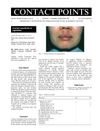
June 2005 in “Contact Dermatitis” This case report describes a patient with an allergic sensitization to minoxidil, indicating that such patients should pursue alternative therapies to treat androgenetic alopecia.
 32 citations
,
June 2015 in “Dermatologic Therapy”
32 citations
,
June 2015 in “Dermatologic Therapy” In this study, finasteride was found to be more effective than 5% minoxidil for treating male androgenetic alopecia in Chinese patients, with combination therapy showing the greatest improvement.
 20 citations
,
October 2018 in “Aesthetic Plastic Surgery”
20 citations
,
October 2018 in “Aesthetic Plastic Surgery” This review discusses the potential mechanisms of platelet-rich plasma in facial rejuvenation and reports no new clinical results, indicating a theoretical basis for its use in tissue regeneration.
 14 citations
,
August 2018 in “Nanoscale Research Letters”
14 citations
,
August 2018 in “Nanoscale Research Letters” This study reported that optimized nanocrystalline CuAlO2 thin-film transistors exhibited a threshold voltage of −1.3 V and may contribute to advancements in low-cost complementary metal oxide semiconductor logic circuits.
 14 citations
,
January 2007 in “Journal of Dermatological Treatment”
14 citations
,
January 2007 in “Journal of Dermatological Treatment” In this study, researchers found that the insignificant cosmetic effect of 5% topical minoxidil solution led to treatment discontinuation among nearly all patients with androgenetic hair loss.
 10 citations
,
April 2000 in “Archives of Oral Biology”
10 citations
,
April 2000 in “Archives of Oral Biology” Minocycline may cause hair loss by increasing DHT levels, but finasteride can help counteract this effect.
 5 citations
,
March 2016 in “Acute medicine & surgery”
5 citations
,
March 2016 in “Acute medicine & surgery” This case report describes a man who ingested a large amount of topical minoxidil solution and experienced serious and prolonged cardiovascular effects despite rapidly decreasing serum concentration levels.
 March 2026 in “Frontiers in Pharmacology”
 This study reviews new treatments for androgenetic alopecia, including cell-derived exosomes and investigational drugs, which show potential to improve hair density and quality but require more rigorous and standardized trials to confirm efficacy and safety.
 October 2025 in “Frontiers in Medicine”
 This meta-analysis found that the combination of topical minoxidil-finasteride was more effective than minoxidil alone in improving hair density, hair diameter, and global photographic assessment for male androgenetic alopecia, though larger standardized trials are needed to confirm long-term outcomes.
 April 2023 in “Dermatology practical & conceptual”
 This study observed that a tacrolimus solution (0.1%) applied to the scalp was effective and well-tolerated for treating inflammatory scalp conditions, with 72.7% of patients showing an excellent response after 2 months of treatment, which persisted after 6 months.
 May 2015 in “Journal of The American Academy of Dermatology”
 Povidone-iodine nail solution effectively treats nail infections caused by chemotherapy.
 80 citations
,
December 2017 in “International Journal of Dermatology”
80 citations
,
December 2017 in “International Journal of Dermatology” This study reported that once-daily treatment with oral minoxidil and spironolactone for 12 months reduced hair loss severity and hair shedding in women with pattern hair loss, with generally mild side effects, though results came from an uncontrolled, observational pilot study.
 64 citations
,
June 2009 in “Journal of The American Academy of Dermatology”
64 citations
,
June 2009 in “Journal of The American Academy of Dermatology” This article discusses frontal fibrosing alopecia, noting potential connections to lichen planopilaris, but reports no new clinical findings.
 43 citations
,
July 2018 in “Journal of The European Academy of Dermatology and Venereology”
43 citations
,
July 2018 in “Journal of The European Academy of Dermatology and Venereology” This study found that a topical solution combining 0.25% finasteride with 3% minoxidil significantly improved hair growth, as measured by hair density, diameter, and global assessment, in men with androgenetic alopecia, compared to 3% minoxidil alone, over 24 weeks without systemic adverse effects reported.
 41 citations
,
December 2015 in “Journal of the European Academy of Dermatology and Venereology”
41 citations
,
December 2015 in “Journal of the European Academy of Dermatology and Venereology” This review discusses the challenges and potential solutions in studying Demodex mites and their possible pathogenic role in human skin disorders but reports no new findings.
 39 citations
,
February 2021 in “Journal of The American Academy of Dermatology”
39 citations
,
February 2021 in “Journal of The American Academy of Dermatology” In this study, low-dose oral minoxidil for hair loss was associated with infrequent systemic adverse effects, and only 1.7% of patients discontinued treatment due to these effects.
 34 citations
,
February 1992 in “The Journal of Clinical Endocrinology and Metabolism”
34 citations
,
February 1992 in “The Journal of Clinical Endocrinology and Metabolism” In this study, the combination of finasteride and minoxidil significantly increased hair growth in balding male stumptail macaques compared to each drug alone.
 28 citations
,
October 2017 in “Journal of Cosmetic and Laser Therapy”
28 citations
,
October 2017 in “Journal of Cosmetic and Laser Therapy” This study found that combining microneedle treatments with 5% minoxidil topical solution led to the greatest increase in hair density among Chinese men with androgenetic alopecia.
 25 citations
,
February 2012 in “The Journal of Sexual Medicine”
25 citations
,
February 2012 in “The Journal of Sexual Medicine” In this study, oral finasteride treatment for four weeks reduced the weight of the corpus cavernosum in rats but did not significantly affect erectile function.
 14 citations
,
August 2020 in “Dermatologic Therapy”
14 citations
,
August 2020 in “Dermatologic Therapy” This study reported that low-dose oral minoxidil is generally safe for treating various types of hair loss, though it may cause hypertrichosis and pedal edema, especially at higher doses.
 13 citations
,
July 2019 in “Toxicology research”
13 citations
,
July 2019 in “Toxicology research” In this study, ethanamizuril was found to cause alopecia, biochemical changes, and organ damage at higher doses in rats, with a no-observed-adverse-effect level of 20 mg/kg over 30 days.