 January 2024 in “Pharmacophore”
 This source discusses the potential of integrating herbal extracts with nanotechnology in skincare products, highlighting improved effectiveness and targeted delivery of active ingredients to skin cells compared to traditional formulations.
 36 citations
,
April 2016 in “Experimental Dermatology”
36 citations
,
April 2016 in “Experimental Dermatology” This review discusses the challenges in selecting optical parameters for photobiomodulation studies on hair regrowth and wound healing, reporting no new clinical results and recommending more rigorous, standardized research approaches.
 22 citations
,
September 2019 in “ACS omega”
22 citations
,
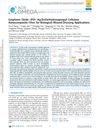
September 2019 in “ACS omega” This study found that AGO@HPC nanocomposite films demonstrated enhanced mechanical, anti-ultraviolet, and antibacterial properties, suggesting potential for use in antibacterial packaging and wound-dressing applications.
17 citations
,
October 2023 in “Science Progress” This review discusses the biological properties and potential applications of PCL and barium titanate composites in biomedical fields and reports no new experimental findings; the authors highlight the need for further research.
 6 citations
,
August 2014 in “Spectroscopy Letters”
6 citations
,
August 2014 in “Spectroscopy Letters” This study reported that the calculated and experimental electronic and vibrational properties of minoxidil were in good agreement, providing detailed insights into its molecular structure and thermal behaviors.
 18 citations
,
September 2013 in “Technology”
18 citations
,
September 2013 in “Technology” This study introduces a new multimodal imaging technology to visualize and quantify cell dynamics in natural skin over long durations, demonstrated in GFP bone marrow-transplanted mice, to study dynamic skin regeneration.
 1 citations
,
July 2023 in “Biomimetics”
1 citations
,
July 2023 in “Biomimetics” This study found that a hair-coating polyphenol complex significantly enhanced the mechanical strength, UV protection, and antistatic properties of damaged hair, suggesting potential benefits for hair treatment.
 222 citations
,
January 2005 in “Endocrine journal”
222 citations
,
January 2005 in “Endocrine journal” This article discusses the potential role of melatonin in protecting skin against stress and maintaining homeostasis, based on its local synthesis and various protective functions, but presents no new clinical results.
 52 citations
,
August 1978 in “Journal of Applied Polymer Science”
52 citations
,
August 1978 in “Journal of Applied Polymer Science” Human hair's ability to get wet is complex and can change with treatments, damage, and environment.
 34 citations
,
July 2010 in “Expert Opinion on Drug Delivery”
34 citations
,
July 2010 in “Expert Opinion on Drug Delivery” This review highlights the need for methodologies to understand and quantify drug penetration into hair follicles as significant drug pathways, noting this area lacks comprehensive articles and reports no new results.
 17 citations
,
August 2019 in “Frontiers in Immunology”
17 citations
,
August 2019 in “Frontiers in Immunology” This review examines non-invasive methods for diagnosing inflammatory skin diseases like lupus erythematosus and psoriatic inflammation using samples from plucked hair and skin tape-strips, but no new clinical results are presented.
 15 citations
,
June 2020 in “Applied Materials Today”
15 citations
,
June 2020 in “Applied Materials Today” This study found that SA-MS hydrogel released Mo4+ ions which promoted healing of disease-impaired wounds by enhancing cell proliferation and angiogenesis, and through its photothermal effects addressed skin cancer-impaired wounds in mice.
 14 citations
,
October 2020 in “Journal of ethnopharmacology”
14 citations
,
October 2020 in “Journal of ethnopharmacology” This study found that both ethanol and aqueous extracts of Lepidium sativum seeds improved insulin signaling and reduced obesity-related metabolic changes in high-fat diet-fed rats, suggesting potential as a dietary supplement.
 13 citations
,
February 2015 in “Journal of Pharmaceutical Sciences”
13 citations
,
February 2015 in “Journal of Pharmaceutical Sciences” This study found that the polymorphic forms I, II, and III of finasteride can be prepared purely, with form III being identical to what was previously referred to as form X.
 13 citations
,
October 2012 in “InTech eBooks”
13 citations
,
October 2012 in “InTech eBooks” Nanocarriers could improve how drugs are delivered through the skin but require more research to overcome challenges and ensure safety.
 8 citations
,
July 2012 in “Annals of biomedical engineering”
8 citations
,
July 2012 in “Annals of biomedical engineering” This study found that the uptake of molecules by hair is influenced by both hydrophobic and ionic charge interactions, with binding affinity decreasing as pH approaches the solute's dissociation constant.
5 citations
,
April 2024 in “Heliyon” In this study, the researchers found that the chemical composition and color of the brown seaweed *Saccharina latissima* varied significantly depending on the harvesting period, site, and cultivation method, suggesting that environmental conditions play a key role in these variations.
 5 citations
,
August 2018
5 citations
,
August 2018 This paper highlights the growing scientific interest in plant extracts for cosmetics due to their potential benefits, including antioxidant, antimicrobial, and protective properties, while emphasizing the need for quality and safety assessment to mitigate possible adverse reactions.
 5 citations
,
January 2018 in “International Journal of Trichology”
5 citations
,
January 2018 in “International Journal of Trichology” This study found no significant difference in the tensile properties of hair from different scalp positions, suggesting that microscopic structural heterogeneities may play a role.
 3 citations
,
April 2010 in “Journal of Receptors and Signal Transduction”
3 citations
,
April 2010 in “Journal of Receptors and Signal Transduction” This review discusses the higher prevalence of retinal changes in alopecia areata patients and suggests a potential connection to Minoxidil, but emphasizes the lack of a proposed mechanism or extensive literature on this association.
 2 citations
,
September 2023 in “Scientific reports”
2 citations
,
September 2023 in “Scientific reports” This study reports that zinc oxide or silver nanoparticles capped with vitamin A or E, incorporated into wheat gluten films, showed significant potential in promoting burn wound healing in mice by facilitating wound contraction, re-epithelialization, and collagen deposition, while also exhibiting antioxidant and antibacterial properties.
 2 citations
,
May 2023 in “Experimental dermatology”
2 citations
,
May 2023 in “Experimental dermatology” In this study, researchers used advanced four-dimensional optical imaging techniques to observe changes in skin afflicted with acne, finding increased epidermal thickness, keratinized hair follicles, inflammation, and aggregated blood flow, helping to distinguish between inflammation and reparative phases of acne progression.
2 citations
,
June 2020 in “Journal of Investigative Dermatology” This article reviews the steps and methods involved in preparing skin tissues for three-dimensional volumetric imaging, highlighting its potential to provide detailed insights into skin structure not possible with traditional 2D histology, but reports no new findings.
 July 2026 in “Frontiers in Bioengineering and Biotechnology”
 This study reports that Echinacea-loaded silk fibroin/chitosan dressings may effectively promote scarless skin regeneration and accelerate wound healing compared to conventional treatments.
 June 2026 in “Discover Immunity.”
 This review discusses current advancements in mesenchymal stem cell-based therapies for skin repair and rejuvenation, focusing on therapeutic strategies, particularly highlighting the potential of neonatal and placenta-derived MSCs, and reports no new clinical results.
 March 2026 in “Journal of Hunan University Natural Sciences”
 This study evaluated the antimicrobial activity of Albizia saponaria stem bark against microorganisms causing dandruff and fungal alopecia. It found that the hexane fraction exhibited potent antifungal effects comparable to ketoconazole, highlighting its potential as a natural therapeutic for dandruff.
 January 2026 in “Biomedical and Biopharmaceutical Research”
 This study found that formulations containing pequi and buriti oils improved texture properties and significantly increased gloss in curly hair, with pequi oil also significantly enhancing tensile strength.
 November 2025 in “Saudi Journal of Medical and Pharmaceutical Sciences”
 In this study, researchers developed and tested hair gels using pectin from mango and coconut oil as a potential natural treatment for traction alopecia in black women, reporting stability in some formulations and rheological properties that may support their use in innovative phytocosmetics.
 June 2024 in “Molecules/Molecules online/Molecules annual”
 This study found that Platycladus orientalis flavonoids may reduce oxidative damage and slow melanin degradation in AGA-affected hair, improving its quality.
 November 2023 in “Regenerative Biomaterials”
 This study developed a degradable and bioactive citrate-based polyurethane adhesive that achieves rapid and strong tissue adhesion, exhibiting improved bonding strength in wet environments, biocompatibility, biodegradability, and hemostatic properties, with potential to enhance wound healing by promoting angiogenesis.