37 citations
,
December 2017 in “Journal of Investigative Dermatology Symposium Proceedings” This study found that black and Hispanic women had higher odds of self-reported alopecia areata compared to white women, highlighting potential racial disparities in the condition's occurrence.
 8 citations
,
September 2017 in “The Journal for Nurse Practitioners”
8 citations
,
September 2017 in “The Journal for Nurse Practitioners” This study observed that most women with PCOS in the United States use adaptive coping strategies, while those with higher psychological severity may resort to maladaptive coping methods.
 April 2025 in “International Journal of Clinical Research and Reports”
 This study conducted on hyper-androgenic infertile overweight women found that lifestyle modifications significantly improved androgenic alopecia levels, as evidenced by a decrease in stage III androgenic alopecia cases after the intervention.
 September 2018 in “Value in Health”
 In this study, researchers found that in Germany, orphan drugs with a phase III study and no comparable treatments available tend to receive higher HTA scores. There was no significant correlation between HTA scores and orphan drug prices or discount rates.
 July 2023 in “Journal of medical and health studies”
 This case study reported on a 3-year-old child with vitamin D-dependent rickets type II treated in the Gaza Strip, whose condition deteriorated despite vitamin D and calcium treatments, leading to recurrent chest infections, respiratory failure, and eventual death.
 May 2025 in “LUMEN ET VIRTUS”
 This study reports that perioperative nursing care for hair transplant patients improves outcomes by reducing complications and enhancing patient satisfaction, emphasizing the crucial role of nurses in managing the procedure.
2 citations
,
January 2016 in “SANGYO EISEIGAKU ZASSHI” This study found that nearly all nurses caring for chemotherapy patients showed detectable levels of cyclophosphamide in their urine, indicating significant occupational exposure to this antineoplastic drug.
 September 2024 in “Institutional Repositories DataBase (IRDB)”
 This study found that young adult cancer survivors, aged 20-39, who experienced hair loss due to cancer treatment had unmet information needs, particularly regarding wigs and recurrent hair loss, despite satisfaction with information on wig maintenance and keeping the head clean.
 1 citations
,
January 2025 in “ARC Journal of Nursing and Healthcare”
1 citations
,
January 2025 in “ARC Journal of Nursing and Healthcare” This study focused on overweight and obese women with polycystic ovary syndrome who underwent lifestyle modification interventions and found notable improvements in BMI, menstrual cycle regularities, hyper-androgenic symptoms, and fertility outcomes, including a 36.2% pregnancy rate post-intervention.
 102 citations
,
July 2007 in “Genes & Development”
102 citations
,
July 2007 in “Genes & Development” This study found that maternal PPARγ is essential for preventing the production of inflammatory lipids in mouse milk, which can otherwise cause inflammation, alopecia, and growth retardation in nursing pups.
 10 citations
,
February 2016 in “The Journal for Nurse Practitioners”
10 citations
,
February 2016 in “The Journal for Nurse Practitioners” This article discusses the basic care and issues primary care providers should consider when treating transgender patients, but it reports no new clinical results.
 January 2015 in “Side effects of drugs annual”
 This review discusses various sex hormones and related compounds, including estrogens and anabolic steroids, but reports no new findings; it highlights existing literature from 2014 regarding their use and effects.
 24 citations
,
August 2005 in “Health and Quality of Life Outcomes”
24 citations
,
August 2005 in “Health and Quality of Life Outcomes” This study observed that women aged 63 with androgenetic alopecia had higher insulin resistance and more role limitations due to physical health compared to those with normal hair.
 22 citations
,
November 2005 in “BMC Cancer”
22 citations
,
November 2005 in “BMC Cancer” This phase II study found that gemcitabine plus paclitaxel showed promising activity and manageable toxicity as first-line therapy for recurrent or metastatic breast cancer, with a 35% overall response rate.
 December 2023 in “Health economics and management review”
 In this descriptive research conducted in Tirunelveli City, Tamil Nadu, the study identified common health problems among radiographers, including tiredness, body pain, and emotional disturbances, highlighting the need to address these issues to ensure accurate disease diagnosis and treatment in healthcare settings.
 12 citations
,
March 2021 in “Journal of Medical Internet Research”
12 citations
,
March 2021 in “Journal of Medical Internet Research” This study tested the feasibility of using multimodal recruitment strategies to assemble a diverse group of 438 women for a web-based survey on ovulation and menstruation health, finding that internet and community fair methods achieved higher enrollment and completion rates compared to clinic recruitment.

This study found that multimodal recruitment strategies successfully achieved target recruitment quickly and created a racially diverse cohort to study ovulation and menstruation health, with higher survey completion rates noted among participants recruited via the internet and community fairs than in clinics.
 February 2024 in “Journal of Modern Oncology”
 In this study, researchers found that using the Orbis II scalp cooling device in a single-center setting effectively prevented severe chemotherapy-induced alopecia in 73% of patients with various cancer types, though the authors recommend further studies to explore broader applicability and influencing factors.
 4 citations
,
October 2015 in “Journal of Evaluation in Clinical Practice”
4 citations
,
October 2015 in “Journal of Evaluation in Clinical Practice” This study evaluated the quality of androgenetic alopecia guidelines using the AGREE II instrument and found the European guideline to be the highest-rated, while American guidelines required modifications.
January 2017 in “Indian journal of health sciences and biomedical research KLEU” This study found no association between androgenetic alopecia and increased prostate volume or serum PSA levels in male patients aged 25–45.
 June 2016 in “CRC Press eBooks”
 This article discusses the role of hyperarousal and brain activity in insomnia and its potential link to sleep disturbances in depression, but it reports no new empirical findings.
 January 2023 in “Italian Journal of Medicine”
 This study found that Italian nurses who worked night shifts, in non-COVID wards, and reported regular meal intake were more likely to contract SARS-CoV-2.
 414 citations
,
August 2005 in “The Journal of Clinical Endocrinology and Metabolism”
414 citations
,
August 2005 in “The Journal of Clinical Endocrinology and Metabolism” This study estimates the total cost of evaluating and treating polycystic ovary syndrome in reproductive-aged women in the United States to be $4.36 billion, suggesting more liberal screening could be beneficial.
 3 citations
,
March 2018 in “Journal of Continuing Education in Nursing”
3 citations
,
March 2018 in “Journal of Continuing Education in Nursing” This study found that a continuing education program significantly improved rural nurse practitioners' knowledge about assessing, diagnosing, and managing PCOS.
 25 citations
,
August 2006 in “Human Reproduction”
25 citations
,
August 2006 in “Human Reproduction” This study found that the GGC repeat length significantly influenced testosterone levels in oral contraceptive users from high-risk breast cancer families, and homozygosity for short alleles may be linked to increased breast cancer risk.
 31 citations
,
November 2016 in “Cell Reports”
31 citations
,
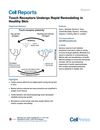
November 2016 in “Cell Reports” This study reveals that somatosensory neurons in mouse skin exhibit structural plasticity during hair-follicle regeneration, which may temporarily impair the reliability of encoding gentle touch.
 15 citations
,
October 2015 in “PLOS ONE”
15 citations
,
October 2015 in “PLOS ONE” This study developed the Chi-PCOSQ, a culturally adapted Chinese assessment tool for measuring health-related quality of life in women with polycystic ovary syndrome, showing promising reliability and validity.
 21 citations
,
November 2015 in “Archives of Gynecology and Obstetrics”
21 citations
,
November 2015 in “Archives of Gynecology and Obstetrics” Greek women with PCOS have a higher risk of metabolic syndrome and are more likely to be overweight compared to healthy controls.
 September 2019 in “Journal of evolution of medical and dental sciences”
 In this study of patients with obesity, the most common skin disorders observed were acanthosis nigricans, skin tags, and stretch marks, emphasizing the impact of obesity on dermatological health.
 33 citations
,
November 2008 in “European Journal of Pharmaceutical Sciences”
33 citations
,
November 2008 in “European Journal of Pharmaceutical Sciences” This study found that St. John's wort treatment for two weeks induced finasteride metabolism and reduced its plasma exposure in healthy men.