 February 2025 in “International Journal of Cosmetic Science”
 This study found that treating hair with ATS, formed from fumaric acid and cysteamine, effectively improved hair quality by increasing moisture content and altering the internal structure of strong curls.
1 citations
,
November 2020 in “Journal of the American Academy of Dermatology” Most sunscreens meet safety standards, but tanning products often don't.
 December 2013 in “The journal of investigative dermatology. Symposium proceedings/The Journal of investigative dermatology symposium proceedings”
 This article reviews the National Alopecia Areata Foundation's biennial research summits, aimed at advancing treatment development for alopecia areata, and reports no new results.
12 citations
,
December 2013 in “Immunological Investigations” This study suggests that the 5’UTR SNP rs6457452 of HSPA1B may be associated with the onset of Alopecia Areata and reduced susceptibility in the Korean population.
February 2026 in “Chemical Engineering Journal” This study found that a novel nano-engineered platform, PCA, significantly promoted hair regeneration in an androgenetic alopecia mouse model by enhancing angiogenesis and hair follicle stem cell proliferation, showing promise for future hair regrowth treatments.
September 2023 in “Journal of the American Academy of Dermatology” This study suggests that using the International Psoriasis Council's classification, which includes body surface area, special areas, and treatment history, may identify more candidates for systemic therapy than by body surface area alone.

In this case report, researchers documented a 19-year-old male professional athlete with acquired trichorrhexis nodosa, noting environmental factors like chlorine exposure during swimming may have contributed to his condition, which improved after advice on hair care changes.
 1 citations
,
October 2024 in “Journal of Nepal Paediatric Society”
1 citations
,
October 2024 in “Journal of Nepal Paediatric Society” In this case report, the authors highlight a 20-month-old girl with nephrotic syndrome who experienced severe alopecia due to an accidental high dose of cyclosporine; her hair regrew after the drug was stopped.
 January 2025 in “International Journal of Dermatology Sciences”
 In this study, nail changes, particularly pitting, were associated with moderate to severe cases of alopecia areata and a positive family history, highlighting potential genetic factors in the condition.
8 citations
,
November 2009 in “The Neurologist/The neurologist” This case report highlights a 21-year-old woman with seizures, mental retardation, spastic diplegia, and ichthyosis consistent with Sjogren-Larsson syndrome, and emphasizes the importance of differential diagnosis when additional symptoms are present.
Nanofat injection is safe and effective for improving skin texture and patient satisfaction.
January 2026 in “Pattern Recognition” This study found that their newly developed ADRL framework significantly improved the accuracy of scalp tissue layer segmentation in HR-MR images compared to existing methods.
 January 2021 in “Social Science Research Network”
 This review discusses the ethical and legal challenges faced by practitioners who conscientiously object to participating in euthanasia and assisted suicide, reporting no new clinical results.
July 2005 in “Journal of the American Academy of Dermatology”  July 2018 in “British Journal of Dermatology”
 Hair regrowth was seen in 83% of children with alopecia, immune system plays a role in the condition, and various treatments showed effectiveness for hair and nail disorders.
 December 2025 in “Journal of Nanobiotechnology”
 This study introduced a novel microneedle-based system for androgenetic alopecia treatment, which delivered Ginsenoside Compound K and S-nitrosoglutathione to enhance hair regeneration by improving the hair follicle microenvironment and promoting follicular cell proliferation.
 August 2019 in “Journal of The American Academy of Dermatology”
 No link found between hair loss severity and PSA levels in men.
This article discusses the characteristics of alopecia areata but reports no new research results.
 March 2021 in “Research Square (Research Square)”
 This study found that overexpression of the SbbHLH85 gene in sweet sorghum increases root hair growth and Na+ absorption, but negatively affects salt tolerance.
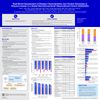
In this retrospective study of alopecia areata patients across several European countries, researchers observed a notable reduction in SALT scores, but few patients reached or maintained a clinically significant SALT score of ≤20, indicating potentially limited effectiveness of current treatments for extensive hair loss.
4 citations
,
December 2021 in “Journal of clinical laboratory analysis” This study identified a splicing-site deletion in the DCAF17 gene associated with Woodhouse-Sakati syndrome in a large consanguineous pedigree, leading to typical phenotypic features.
November 2025 in “Biocell” This article explores how the integrated stress response and senescence-associated secretory phenotype influence stem cell fate decisions, highlighting their dual roles in both protecting and disrupting stem cell integrity.
46 citations
,
May 2021 in “Stem Cell Research & Therapy” This study found that strontium ranelate promotes cartilage regeneration in rats by enhancing chondrogenic differentiation of bone mesenchymal stem cells while inhibiting the Wnt/β-catenin signaling pathway.
 1 citations
,
November 2021 in “Drug Testing and Analysis”
1 citations
,
November 2021 in “Drug Testing and Analysis” This collection from the 2021 Manfred Donike Workshop outlines advancements in doping detection, highlighting new test methods and challenges, with a focus on steroidal substances, peptide hormones, and gene doping analysis.
 May 2026 in “Journal of Asia Pacific Aesthetic Sciences”
 This case report highlights significant hair regrowth in a Malaysian woman with localized alopecia areata after intralesional triamcinolone acetonide treatment at a concentration of 5 mg/mL.
9 citations
,
February 2020 in “Materials Express” In a study on female SD rats, the authors found that RADA16-1 short-peptide nano-fiber gel scaffolds improved burn wound healing, hair follicle growth, hair growth length, and expression of bFGF and EGF compared to a NaCl control.
 December 2023 in “The Sri Lanka Journal of Dermatology”
 In this case report, a 12-year-old girl was diagnosed with alopecia as part of the rare ALX4-related frontonasal dysplasia sequence, highlighting the condition's uniqueness in pediatric dermatology.
 January 2015 in “British journal of medicine and medical research”
 This case report describes a patient with systemic sclerosis and severe alopecia areata who experienced complete resolution of hair loss within four months after treatment with topical steroids, minoxidil, and mycophenolate mofetil.
August 2021 in “Journal of Investigative Dermatology” This study found that ILC1-like cells can induce alopecia areata in healthy human hair follicles, suggesting that these cells might be a therapeutic target in AA management.
20 citations
,
February 2010 in “Journal of Investigative Dermatology” Slug (Snai2) helps regulate hair growth timing in mice.