 53 citations
,
January 1993 in “Biochemical Pharmacology”
53 citations
,
January 1993 in “Biochemical Pharmacology” This study reports a method for efficiently synthesizing chromeno-pyrimidine-N-oxides in good to excellent yields, confirmed by X-ray analysis, through a reaction between 4-chloro-3-formylcoumarin and aromatic carboximide oximes.
 2 citations
,
August 2019 in “Turkish Journal of Chemistry”
2 citations
,
August 2019 in “Turkish Journal of Chemistry” This study reported that CoFe2O4 magnetic nanoparticles efficiently catalyzed the synthesis of minoxidil from 2,6-diamino-4-chloro-pyrimidine N-oxide, achieving a 95% yield with sustained reusability.
 6 citations
,
March 2003 in “Archiv Der Pharmazie”
6 citations
,
March 2003 in “Archiv Der Pharmazie” This study reported that newly synthesized nonsteroidal compounds were effective at inhibiting prostatic 5 alpha reductase isozyme 2, especially the compound with an N, N-diisopropylcarbamoyl substituent, suggesting potential for treating benign prostatic hyperplasia.
6 citations
,
February 2023 in “Cosmetics” This study found that hexane extracts of Nostoc verrucosum significantly inhibited melanin synthesis in melanoma cells and demonstrated antioxidant activity, suggesting potential use in developing cosmetic and functional food products.

This study identified compounds like hexadecanoic acid, alphaspinasterol, and squalene in Cucurbita pepo roots, which may offer new pharmacological approaches for developing therapies for various conditions.
54 citations
,
March 2024 in “Journal of Medicinal Chemistry” This article summarizes the properties, synthesis, and biomedical applications of molecules with N-oxide functionalities, emphasizing their growing role in healthcare due to their unique properties, such as water solubility and redox reactivity, crucial for drug targeting and cytotoxicity.
 23 citations
,
January 2017 in “Journal of Oleo Science”
23 citations
,
January 2017 in “Journal of Oleo Science” This review discusses the use of supercritical carbon dioxide for extracting rice bran oil, noting its advantages over conventional methods for preserving nutrients and antioxidants, but provides no new experimental results.
 13 citations
,
August 2007 in “Bioorganic & medicinal chemistry letters”
13 citations
,
August 2007 in “Bioorganic & medicinal chemistry letters” This study developed a new competitive 5alpha-reductase inhibitor with an IC(50) of 0.84 microM using a novel chemical structure.
 May 2021 in “Boletín latinoamericano y del Caribe de plantas medicinales y aromáticas”
 This study found that ethanolic extracts of Microsechium helleri showed notable antioxidant, hypoglycemic, and cardioprotective activities, while chloroformic extracts exhibited significant anti-inflammatory effects in experimental models.
 January 2019 in “Journal of Pharmacognosy and Phytochemistry”
 This study identified 14 different phytoconstituents in the methanolic fruit extract of Citrullus colocynthis, suggesting its potential pharmacological importance.
3 citations
,
February 2023 in “Journal of Experimental Pharmacology” This study found that LHE may prevent and reverse testosterone-induced prostatic hyperplasia, supporting the traditional use of Kigelia africana for some reproductive system disorders.
July 2025 in “International Journal of Molecular Sciences” This genetic study identified four new keratin-associated protein genes in sheep, revealing significant sequence variation and suggesting complex evolutionary dynamics, with unique variants in some sheep breeds linking them to Romanov sheep ancestry.
January 2013 in “วารสารเภสัชศาสตร์อีสาน (Isan Journal of Pharmaceutical Sciences, IJPS)” This study found that ethyl acetate extract from mangosteen pericarp exhibited the strongest antibacterial effect against Propionibacterium acnes compared to other extraction solvents.
March 2008 in “British Journal of Pharmacology” This guide provides an overview of the complex roles and mechanisms of various receptors and channels in pharmacology but does not report new experimental results.
2 citations
,
November 2009 in “DSpace (Federal University of Santa Catarina)” Brunfelsia uniflora has good antioxidant properties and moderate antibacterial activity.
 April 2026 in “Cosmetics”
 In this randomized, double-blind, placebo-controlled trial, researchers found that a multi-targeted cosmetic formulation containing TrinogeniX™ significantly increased hair density and thickness in individuals with androgenetic alopecia without adverse effects, suggesting it as a potential safe and effective treatment option.
2 citations
,
November 2022 in “Veterinary sciences” This study found that the interdigital gland of Vembur sheep has larger secretory lobules in males than females, producing various compounds for chemical communication and foot protection.
March 2024 in “Journal of functional biomaterials” This study demonstrated that a strain of lactic acid bacteria from kimchi, identified as Pediococcus inopinatus, showed antibacterial activity against certain oral pathogens and effectively bleached stained artificial teeth and inhibited biofilm formation, offering potential for addressing teeth discoloration and halitosis.
January 2022 in “Skin Appendage Disorders” This case report describes areata-like lupus in a 63-year-old woman, characterized by nonscarring patchy alopecia similar to alopecia areata, without meeting systemic lupus erythematosus criteria.
 1 citations
,
July 2017 in “International Journal of Advanced Research”
1 citations
,
July 2017 in “International Journal of Advanced Research” This study evaluated the phytochemical properties and in-vitro anti-fungal activity of Tridax procumbens but reports no new clinical results.
 11 citations
,
May 2010 in “Journal of Medicinal Chemistry”
11 citations
,
May 2010 in “Journal of Medicinal Chemistry” This study introduced a novel nonsteroidal androgen receptor antagonist that effectively controls sebum production in the golden Syrian hamster ear model through targeted follicular delivery.
 9 citations
,
April 2019 in “Journal of structural biology”
9 citations
,
April 2019 in “Journal of structural biology” This study found that coconut oil impedes hair hydration more effectively than soybean oil by penetrating deeper, and suggested a new model for intermediate filament assembly in hair.
 February 2024 in “International Journal of Scientific Research in Science and Technology”
 This literature review outlines the traditional uses, nutritional composition, and bioactive compounds of pomegranate plants, highlighting their varied pharmacological actions such as antibacterial, antiviral, anticancer, and antioxidant effects, and discusses the peel's chemical composition and toxicology.
 July 2022 in “International journal of KIU”
 This article outlines the scope, publication standards, and authorship responsibilities of the International Journal of KIU, but reports no new research results.
 47 citations
,
October 1989 in “Circulation Research”
47 citations
,
October 1989 in “Circulation Research” The study explains how minoxidil sulfate causes vasodilation in rabbits by opening potassium channels and inhibiting calcium channels.
 22 citations
,
September 2004 in “Journal of The European Academy of Dermatology and Venereology”
22 citations
,
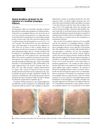
September 2004 in “Journal of The European Academy of Dermatology and Venereology” Bimatoprost can cause longer, thicker, darker eyelashes and eyebrows.
 21 citations
,
October 2019 in “The journal of investigative dermatology/Journal of investigative dermatology”
21 citations
,
October 2019 in “The journal of investigative dermatology/Journal of investigative dermatology” This study identified specific germline and somatic mutations in the Phospholipase C Delta 1 gene as high-risk factors for developing hereditary trichilemmal cysts, involving a monoallelic two-hit mechanism.
 June 2026 in “Studia Biologica”
 This study found that in semi-coarse wool sheep of the Ukrainian Carpathian Mountain breed, changes in microflora and grease composition are linked to increased felting in wool, due to wetter, more alkaline fleece conditions that promote bacterial and mold growth and alter fatty acid balances.
 December 2025 in “International Journal of Research in Dermatology”
 This consensus highlights that addressing nutritional and endocrine deficiencies through lifestyle modifications, nutritional support, and medical interventions is crucial for managing hair loss associated with endocrine and gynecological disorders, emphasizing the need for a multidisciplinary approach involving dermatologists, nutritionists, endocrinologists, and gynecologists.
 48 citations
,
January 2018 in “Scientific Reports”
48 citations
,
January 2018 in “Scientific Reports” This pilot study found that hair metabolome analysis may help differentiate pregnancy complications from healthy pregnancies by revealing significant metabolite differences between trimesters.