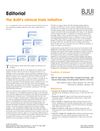
 March 2017 in “BJU international”
 This article discusses the BJUI's strategies to support urology-related clinical trials but reports no new experimental results; the authors emphasize the importance of rigorous trial design and reporting standards.
 June 2026 in “IP Indian Journal of Clinical and Experimental Dermatology”
 This bibliometric analysis of the IP Indian Journal of Clinical and Experimental Dermatology reveals a steady annual publication growth rate of 5.49% from 2019 to 2025, moderate citation impact, and limited international collaboration.
January 2026 in “International Journal of Clinical Research” This collection of abstracts from the 2025 IJCR Global Summit documents a diverse array of clinical research topics, with no new study results as they remain in their original submission format without peer review.
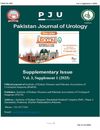 October 2025 in “Pakistan journal of urology.”
 This supplementary issue of the Pakistan Journal of Urology contains diverse studies spanning organ donation's significance, surgical techniques, and the comparison of treatments in urology, but it doesn't provide specific research results or detailed findings.