 August 2025 in “Journal of Cosmetic Dermatology”
 In this study, a DMG-Na and caffeine-containing shampoo significantly reduced hair loss and increased hair density in men with male pattern hair loss over 6 months, compared to a placebo, without adverse effects.
32 citations
,
June 2021 in “Frontiers in Pharmacology” This study reports that Cur@CMCTS-Tk hydrogel effectively accelerated wound healing and tissue regeneration in rats by scavenging excess reactive oxygen species and protecting human fibroblasts from oxidative damage.
 2 citations
,
April 2008 in “Journal of Dispersion Science and Technology”
2 citations
,
April 2008 in “Journal of Dispersion Science and Technology” This study observed that including cationic minoxidil particles in a shampoo facilitated notable hair growth promotion despite a negative surface charge after rinsing, likely due to ionic interactions with the skin.
6 citations
,
August 2024 in “Biomacromolecules” This study introduces a novel in vitro model for clubfoot fibrosis to enable high-throughput drug screening and found that while the model increased collagen deposition, the antifibrotic drug minoxidil effectively inhibited the expression of collagen cross-linking enzymes.
 1 citations
,
April 2018 in “Journal of Investigative Dermatology”
1 citations
,
April 2018 in “Journal of Investigative Dermatology” In this study, OEA was found to significantly enhance sebaceous lipogenesis and potentially reduce inflammation in human sebocytes, suggesting it as a promising candidate for treating skin dryness.
June 2014 in “Zagazig Journal of Pharmaceutical Sciences/Zagazig Journal of Pharmaceutical Science” This study reports that using ascorbic acid or orlistat can significantly inhibit the metabolism of testosterone esters into malodorous metabolites by axillary bacteria, suggesting potential new deodorant applications.
8 citations
,
October 2020 in “Stem cell research & therapy” This study found that DNMT1 promotes adipogenesis in hair follicle stem cells by regulating the miR-214-3p/MAPK1/p-ERK1/2 pathway, suggesting potential applications in stem cell therapy.
May 2013 in “UTUPub (University of Turku)” This study suggests that adding androgens to menopausal hormone therapy may reduce breast cancer risk by counteracting estrogen-driven proliferation in postmenopausal breast tissue.
 September 2017 in “Journal of Investigative Dermatology”
 This study found that fermented mackerel oil increased hair growth by promoting dermal papilla cell proliferation and cell cycle progression through wnt/β-catenin signaling activation in vibrissa follicles.
 March 2024 in “Cell communication and signaling”
 This study found that sleep deprivation in mice can trigger prostatitis by activating the cGAS-STING pathway due to reduced levels of dihydrotestosterone and melatonin, resulting in a pro-inflammatory environment, while recovery sleep can mitigate these effects.
19 citations
,
October 1989 in “PubMed” This study found that sulfation of minoxidil occurs in hair follicles and proliferative keratinocytes, which may be linked to its hair growth stimulation effects.
15 citations
,
April 1997 in “Muscle & Nerve” 5 citations
,
April 1997 in “Muscle & Nerve” 2 citations
,
June 2025 in “International Journal of Molecular Sciences” This review summarizes recent findings on the combined use of chitosan and melatonin, highlighting their synergistic effects in wound healing, anti-cancer therapies, and tissue engineering, with further potential applications in cosmetology, aesthetic medicine, and veterinary practice.
9 citations
,
May 2023 in “Stem Cell Research & Therapy” This study found that mesenchymal stem cell treatment alleviated atopic dermatitis-like symptoms in a mouse model by modulating immune and inflammatory responses, with gene expression changes suggesting pathways for potential personalized treatment approaches.
 10 citations
,
July 2019 in “Journal of Asia-Pacific Entomology”
10 citations
,
July 2019 in “Journal of Asia-Pacific Entomology” This study suggests that ultra-fine powders of steamed and lyophilized mature silkworms may have enhanced pharmacological effects compared to fine powders, possibly due to their smaller particle size.
 February 2026 in “PubMed”
 This study reported that polysaccharides from Astragalus roots could promote hair regeneration and optimize drug delivery when combined in innovative microneedles, effectively improving hair growth in mice with androgenetic alopecia.
7 citations
,
October 2015 in “Experimental dermatology” This study found that topical MR blockers alongside glucocorticoids may limit glucocorticoid-induced skin atrophy, suggesting MR's significant role in skin-related endocrinology.
1 citations
,
January 2005 in “Experimental Dermatology” This study found that α-MSH may suppress IFN-γ-driven upregulation of ICAM-1 in human dermal fibroblasts, suggesting potential roles for melanocortins in inflammatory skin disorders beyond collagen synthesis effects.
7 citations
,
August 2025 in “Plants” This review highlights the role of plant-derived organic selenium compounds, noting their high bioavailability and low toxicity, and provides a comprehensive overview of selenium's uptake in plants and metabolism in humans, offering a theoretical basis for future nutritional research.
 February 2025 in “Journal of Investigative Dermatology”
 DMG-Na may help reduce hair loss and improve hair growth, but more research is needed.
This study found that mesotherapy combined with minoxidil for androgenetic alopecia shows promise with high patient satisfaction and manageable risks, though some uncommon side effects may occur.
3 citations
,
January 2016 in “Recent Advances in Biology and Medicine” This study observed that smeathxanthone A improved wound healing and reduced blood glucose levels in diabetic mice, suggesting potential benefits for tissue healing.
July 2025 in “Dermatology Reports” This review indicates that mesenchymal stem cell therapy may offer clinical improvements for immune-mediated inflammatory skin diseases, showing promise particularly for those unresponsive to traditional treatments, but emphasizes the need for larger, controlled trials to confirm these results.
2 citations
,
September 2025 in “Frontiers in Endocrinology” This review critically evaluates the evidence for SARMs' tissue selectivity and suggests their clinical benefits over traditional androgens are not yet well-supported by robust evidence, underscoring the need for further head-to-head trials.
 184 citations
,
October 2007 in “Proceedings of the National Academy of Sciences of the United States of America”
184 citations
,
October 2007 in “Proceedings of the National Academy of Sciences of the United States of America” This study found that sulforaphane-rich broccoli sprout extracts reduced UV-induced erythema by 37.7% in humans, suggesting a protective strategy against UVR damage.
 January 2026 in “Journal of Sexual and Mental Health”
 This study reports that two oral hormonal agents, dimethandrolone undecanoate and 11β-methylnortestosterone dodecylcarbonate, may effectively suppress hormones to contraceptive levels in men with mild side effects, though longer-term trials are required to confirm their safety and efficacy.
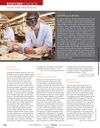 September 2013 in “Science”
 Human stem cells can aid stroke recovery, research experiences boost students' career aspirations, minoxidil may reduce cancer spread, a molecule can slow tumor growth, a protein affects water flow in cells, magnesium behaves differently at tiny scales, and a new method detects slow-moving objects.
3 citations
,
September 2016 in “Clinical, cosmetic and investigational dermatology” This study found that sphinganine may improve scalp health, hair quality, and reduce hair loss in males, potentially due to increased antimicrobial peptide levels and inhibition of 5-α-reductase.
 February 2024 in “Exposure and Health”
 Selenium supplements may reduce mercury levels in the hair of city dwellers in China.