 November 2024 in “The Journal of Cell Biology”
 This study revealed that basement membrane dynamics are crucial to hair follicle development, influencing progenitor cell behavior and cell division patterns in developing mouse hair follicles.
July 2024 in “Journal of Investigative Dermatology” CD8+ T cells attack hair follicle stem cells, causing scarring and hair loss in Discoid Lupus.
July 2024 in “Journal of Investigative Dermatology” This study found that topically applied melatonin exerts significant anti-aging effects on human scalp skin ex vivo, including increased SIRT1 expression and reduced mTORC1 pathway activity.
 April 2024 in “Biomedicine & pharmacotherapy”
 This study observed that pilose antler extract promoted hair growth in mice with androgenetic alopecia by stimulating the hair follicle growth cycle via the SHH/GLI pathway activation and BMP/Smad pathway suppression.
 February 2024 in “Digital Library of Theses and Dissertations (Universidade de São Paulo)”
 This study demonstrated that using a mass spectrometry imaging technique, researchers were able to visualize the incorporation of argan, avocado, and coconut oils into hair fibers, suggesting their potential in cosmetic and alopecia treatments by confirming oil absorption and fiber modification.
 November 2023 in “bioRxiv (Cold Spring Harbor Laboratory)”
 This study used a novel fluorescent tagging method in mice to observe collagen IV dynamics during hair follicle development, revealing that alterations in basement membrane turnover can influence epithelial progenitor cell behavior and organ morphology by affecting cell proliferation and movement.
 September 2023 in “Medicine”
 This study found increased infiltration of specific immune cells, such as γδ T cells and CD8+ T cells, in the bald scalp of male androgenetic alopecia patients, and identified four key immune-related genes potentially involved in hair loss development through interferon-γ signaling pathways.
 July 2023 in “Photodermatology, Photoimmunology and Photomedicine”
 This review compiles existing research on infrared radiation's effects on human skin, noting both its potential harmful thermal impacts and encouraging therapeutic applications, but reports no new clinical results.
 April 2023 in “Journal of Investigative Dermatology”
 The study identified increased IL-24 expression in keratinocytes and fibroblasts exposed to particulate matter, contributing to skin aging by promoting conditions similar to age-related changes such as increased MMP1 expression and decreased type I collagen production.
 April 2023 in “Journal of Investigative Dermatology”
 This study found that matrix progenitor cells in hair follicles move in a conveyor-belt-like fashion along the dermal papilla, changing their transcriptional states and lineage potential as they differentiate into inner hair follicle layers.
 January 2023 in “Biomaterials Science”
 This study suggests that incorporating matrisomal components into biomaterials could enhance skin wound healing in mammals that do not naturally regenerate tissues like the axolotl and Acomys.
October 2022 in “Faculty of 1000 Research Ltd” This review discusses the roles of various growth factors and cytokines in skin regeneration, highlighting their potential for future therapeutic development, and reports no new experimental findings.
November 2021 in “CRC Press eBooks” This review discusses the genetic and metabolic factors influencing hair pigmentation, as well as conditions leading to hypo- or depigmented hair, and reports no new experimental findings.
October 2021 in “Experimental Dermatology” This study explores the use of in silico methods to identify potential diagnostic biomarkers for primary cicatricial alopecia, revealing significant interactions among genes and proteins related to disease pathogenesis.
 July 2021 in “IntechOpen eBooks”
 This review discusses the potential of ginseng and its metabolites for treating hair loss and reports no new clinical findings.
 September 2019 in “The journal of investigative dermatology/Journal of investigative dermatology”
 In this study, the researchers observed that post-radiation hair follicle repair in 3D architecture occurs through independent, long-range cell movements along the basal surface, resembling 2D healing processes.
April 2019 in “The journal of investigative dermatology/Journal of investigative dermatology” This study found that manipulating both gene expression and matrix stiffness in mice can alter hair regeneration after skin wounding, highlighting key factors in regenerative biology.
October 2018 in “Deep Blue (University of Michigan)” This study found that matrix progenitor cell differentiation in hair growth has distinct early and late phases, and generated a mouse model to explore the hair follicle's role in harlequin ichthyosis.
 September 2018 in “Central Asian journal of medical sciences (Print)”
 This study found that Urticadioica L ethanol extracts enhanced hair growth and reduced catagen transition in human hair follicles in an ex vivo organ culture model.
 April 2018 in “Journal of Investigative Dermatology”
 This study found that IL-9 influences the behavior of human primary keratinocytes by promoting motility while reducing invasion potential through a novel mechanism independent of matrix-metalloproteinases.
 September 2017 in “Journal of Investigative Dermatology”
 This study found that their novel 3D-imaging method, ASAXA-μCT, identified shrinkage of sweat glands as a key factor in skin aging, which leads to dermal defects, decreased elasticity, and increased wrinkling and sagging.

This review discusses the complex process of wound healing and emerging areas of interest in wound treatment, reporting no new clinical findings.
 September 2016 in “Journal of dermatological science”
 The researchers reported that the OVOL1-OVOL2 axis may play a role in hair follicle differentiation and tumorigenesis, and OVOL1 and OVOL2 are potential diagnostic markers for pilomatricoma and pilomatrix carcinoma.
 January 2016 in “SpringerBriefs in bioengineering”
 This article discusses the structure and function of the skin's epidermis, detailing its role as a protective barrier and nutrient exchange system, without presenting new research findings.
This study found that the NuMA protein's microtubule-binding domain is essential for proper spindle orientation and differentiation in keratinocytes, affecting skin and hair development in mice.
December 2015 in “아시안뷰티화장품학술지” This review discusses the various biological activities of Epigallocatechin Gallate (EGCG) and its potential uses in cosmetics, food, and medicine, without reporting new clinical findings.
January 2015 in “프로그램북(구 초록집)” This study found that Korean Red Ginseng may protect against chemotherapy-induced alopecia by reducing hair follicle damage in a human hair follicle organ culture model.
 March 2014 in “Journal of The American Academy of Dermatology”
 Reflectance confocal microscopy can noninvasively diagnose onychomatricoma by showing unique features different from healthy nails or nail fungus.
January 2014 in “Международный журнал прикладных и фундаментальных исследований” This article suggests that zinc-dependent factors may play a role in the regulation of the hair follicle cycle and could be involved in the pathogenesis of alopecia areata, but experimental confirmation is needed.
 April 2012 in “Informa Healthcare eBooks”
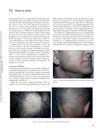
 Alopecia areata is a common autoimmune condition causing varying hair loss, diagnosed by specific patterns of inflammation around hair follicles, with several treatment options available.