 June 2022 in “Frontiers in Medicine”
 This review discusses acupuncture and moxibustion for alopecia and reports evidence suggesting their efficacy for various types of hair loss, but notes barriers like cost and aversion to needles.
 January 2022 in “Biocell”
 This review outlines the potential of mesenchymal stem cells and their derivatives as emerging therapies for atopic dermatitis, but reports no new clinical results; the authors highlight the need for further investigation.
 October 2021 in “Journal of Investigative Dermatology”
 This study found that fibroblasts from mature skin showed significantly reduced mechanical force production compared to young skin fibroblasts, suggesting age-related changes in cellular mechanical properties.
 June 2020 in “bioRxiv (Cold Spring Harbor Laboratory)”
 This study found that the HoxC gene cluster is crucial for the development of hair and nails in mice, with key regulation by two mammalian-specific enhancers.
 August 2018 in “bioRxiv (Cold Spring Harbor Laboratory)”
 This study identifies diltiazem as a promising repurposed drug for treating influenza, supported by its antiviral activity and gene modulation effects, leading to a Phase II clinical trial authorization.
This study shows that multiphoton microscopy can non-invasively distinguish scarring from non-scarring alopecia by identifying specific morphological features in hair follicle structures.
December 2014 in “Sociedad (University of Buenos Aires)” This study highlights three cases of liver toxicity linked to the use of the green tea catechin-containing supplement Inneov masa capilar® and underscores the need for careful monitoring of such products.
 November 2014 in “Springer eBooks”
 Using a patient's own tissue for browlifting can improve both the position and fullness of the brow for a longer-lasting rejuvenation.
 June 2010 in “Journal of Chemical Crystallography”
 This study determined the crystal structure and conformation of synthesized 17x-Acetoxy-pregn-4,6-diene-3,20-dione, revealing specific molecular interactions and structural details in an orthorhombic crystal system.
January 2009 in “Epsilon: Revista de la Sociedad Andaluza de Educación Matemática "Thales"” This report describes a Cronkhite-Canada syndrome patient with severe sepsis and disseminated intravascular coagulation successfully treated using combined therapies, including recombinant human soluble thrombomodulin.
July 2008 in “International journal of psychophysiology” This retrospective study found that cyproterone acetate, both alone and with estrogens, was safe, well tolerated, and induced modest feminizing effects in late-pubertal transgender female adolescents.
January 2005 in “Dermatology” This compilation lists various dermatological conditions, treatments, and related topics without reporting any new research findings.
This study concluded that the combination of all-trans-retinoic acid and tocopherol-α is not recommended for treating del(5q) myelodysplastic syndromes due to low efficacy and high incidence of adverse effects.
July 2004 in “Transplantation” This study found that enalapril treatment reduced hematocrit levels in posttransplant erythrocytosis patients and increased transferrin saturation index and ferritin levels in those with iron deficiency among long-term renal transplant recipients.
 January 2004 in “Analytical Sciences: X-ray Structure Analysis Online”
 This study reports the crystal structure of C28H32O5, revealing its monoclinic symmetry, unit-cell dimensions, and molecular conformation.
 August 2002 in “Analytical Sciences”
 The document concludes that a compound with potential for treating prostate cancer and hair loss was successfully made and its detailed structure was confirmed.
January 2002 in “Dialnet (Universidad de la Rioja)” This study found that the epithelial changes in benign prostatic hyperplasia treated with finasteride resembled the pattern of healthy prostates.
 February 1999 in “Analytical Sciences”
 A new antiandrogen compound was made and its detailed three-dimensional shape was described.
 December 1998 in “Acta Crystallographica Section C-crystal Structure Communications”
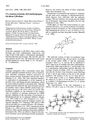
 This study describes the molecular conformation and intermolecular interactions in the crystalline structure of the compound C24H31BrO4.
March 2023 in “ACTA SCIENTIAE VETERINARIAE” This study reports a case of benign pilomatricoma in an adult Shih-Tzu dog, highlighting surgical excision and histopathology as effective for diagnosis and treatment of this rare condition in dogs.
 July 2014 in “Journal of the Portuguese Society of Dermatology and Venereology”
 This review covers current knowledge of tricoscopy's applications in diagnosing and monitoring scalp and hair disorders but presents no new clinical results.
 May 2026 in “Scientific Reports”
 This study found that a bioactive borosilicate glass containing Sr and Cu ions exhibited promising mechanical strength, biocompatibility, and antibacterial activity, particularly the CuSr-1 wt.% composition, suggesting potential for use in orthopedic implants and bone tissue engineering.
 March 2026 in “International Journal of Health Science”
 In this narrative literature review, researchers found that physiological skin changes are extremely common during pregnancy due to hormonal and circulatory adaptations, emphasizing the need for healthcare professionals to recognize these changes to provide proper guidance to pregnant women and avoid unnecessary interventions.
This study found that fibroblasts from Emery-Dreifuss muscular dystrophy patients with certain genetic mutations overexpress markers of fibrosis, and gene correction techniques reduced fibrogenic molecule expression in cell models, suggesting potential therapeutic applications.
August 2025 in “Andrology” In this study, the researchers reconstructed Abraham's family pedigree from the Bible's book of Genesis to explore potential medical or genetic explanations for reported cases of familial infertility, linking historical accounts with plausible scientific reasoning.
 May 2025 in “The Journal of Rheumatology”
 This case report details a rare instance of primary adrenal insufficiency as a manifestation of antiphospholipid syndrome, with the patient successfully managed through glucocorticoids, warfarin, and hydroxychloroquine.
In this study, researchers identified the c.296C>T (p.T99I) variant in the KRT32 gene, which co-segregates with loose anagen hair syndrome, and found it decreases binding affinity to KRT82, potentially weakening hair anchorage.
January 2024 in “Arquivos de Neuro-Psiquiatria” This case study reported on a 49-year-old male with muscle weakness and low potassium levels, suggesting a diagnosis of thyrotoxic hypokalemic periodic paralysis.
 November 2023 in “Journal of plant nutrition and soil science”
 This study observed that maize plants, including a root hairless mutant variety, did not exhibit typical root growth or compensatory foraging behavior under severe boron deficiency in soil, indicating atypical responses compared to other plants.
 August 2023 in “Revista Contemporânea”
 This review examines the relationship between fetal metabolic programming and the development of polycystic ovary syndrome, highlighting maternal and environmental factors but reports no new experimental results.