2 citations
,
July 2023 in “International Journal of Clinical and Experimental Medicine Research” This study found that for thyroid cancer patients who underwent radical mastectomy, the combination of CAF regimen and fufangbanmao capsule improved short-term clinical efficacy, enhanced immune function, reduced drug toxicity, and positively impacted quality of life compared to the CAF regimen alone.
December 2024 in “Biochemical and Biophysical Research Communications” LMWP-PDGFA shows promise for improving hair health and treating hair loss with fewer side effects.
2 citations
,
February 2025 in “Journal of the European Academy of Dermatology and Venereology” This study suggests that Janus kinase inhibitors may offer a potential treatment option for refractory lichen planopilaris and frontal fibrosing alopecia, showing positive response rates between 42% and 100%, though evidence quality is low.
 26 citations
,
March 2015 in “American journal of clinical dermatology”
26 citations
,
March 2015 in “American journal of clinical dermatology” This study found that systemic mycophenolate mofetil and topical clobetasol were equally effective at reducing lichen planopilaris activity over six months, but satisfaction differed between the treatments.
17 citations
,
July 2022 in “BMC Genomics” This study found that overexpression of the FA2H gene in cashmere goats' hair follicle cells may enhance hair proliferation and regulate genes affecting cashmere fineness.
2 citations
,
January 2019 in “Skin appendage disorders” This article reports a case of frontal fibrosing alopecia in its early inflammatory stage that responded positively to intralesional steroid treatment.
6 citations
,
May 2024 in “JAAD Case Reports” This study highlights that topical ruxolitinib cream is FDA-approved for mild to moderate atopic dermatitis and nonsegmental vitiligo in patients aged 12 and older, but its use in other skin conditions like frontal fibrosing alopecia remains under-researched and needs further exploration in clinical practice.
February 2013 in “Journal of the American Academy of Dermatology” This study demonstrated that the IVL-DrugFluidic® platform is effective for mass-producing finasteride-loaded polymeric microspheres for long-acting injectables, maintaining stable drug release without an initial burst for a month.
1 citations
,
October 2023 in “Heliyon” In this study, the researchers reported a new case of Hutchinson-Gilford progeria syndrome with a novel LMNA mutation and successful surgical intervention for airway obstruction.

This review found that antimalarial agents were more effective than steroids for Lichen planopilaris, while finasteride and dutasteride showed favorable impacts on frontal fibrosing alopecia, despite heterogeneous study quality.
 79 citations
,
September 2018 in “Dermatologic therapy”
79 citations
,
September 2018 in “Dermatologic therapy” This study found that treatment with oral tofacitinib, alone or with other therapies, was associated with clinical improvement in most patients with recalcitrant lichen planopilaris.
 April 2016 in “Proceedings of SPIE”
 This study found that UV laser-induced fluorescence spectroscopy can effectively differentiate between types of alopecia in patients, showing a high correlation between blood circulation levels and tissue autofluorescence intensity.
March 2026 in “Journal of the American Academy of Dermatology” In this study, patients with active lymphocytic cicatricial alopecia showed significant improvement using a three-stage treatment regimen involving Tofacitinib, Apremilast, and Crisaborole, with 93.5% experiencing marked improvement and only three mild adverse events reported.
 6 citations
,
November 1996 in “Archives of Dermatology”
6 citations
,
November 1996 in “Archives of Dermatology” This case report describes a 29-year-old Japanese-Paraguayan man who experienced a relapse of leprosy 14 years after initial treatment, presenting with severe pain and skin lesions but no sensory impairment.
 January 2025 in “BMC Genomics”
 This study examined the role of long non-coding RNAs in wool fineness among Gansu alpine fine-wool sheep, identifying specific lncRNAs and target genes that may enhance wool quality.
 20 citations
,
January 2014 in “Journal of the European Academy of Dermatology and Venereology”
20 citations
,
January 2014 in “Journal of the European Academy of Dermatology and Venereology” This article includes no new results; it discusses ongoing treatment approaches for frontal fibrosing alopecia and lichen planopilaris.
 1 citations
,
June 2022 in “JCRPE”
1 citations
,
June 2022 in “JCRPE” This study reports that metreleptin treatment in a boy with congenital generalized lipodystrophy significantly improved metabolic complications and overall health outcomes during the first year of therapy.
23 citations
,
May 2017 in “Journal of the American Academy of Dermatology” This study found that patients with frontal fibrosing alopecia had lower epidermal melanocyte counts and reduced epidermal thickness compared to lichen planopilaris patients and controls, suggesting a link with hypopigmentation.
12 citations
,
November 2023 in “Skin Appendage Disorders” This study suggests that although data on JAK inhibitors for treating LPP and FFA is mainly from retrospective studies and case reports, these inhibitors may offer a new treatment option, particularly for challenging cases.
This community service event in Malang, Indonesia, reported positive responses to using virgin coconut oil and fish oil as supportive therapy for treating fungal infections in cats, promoting hair regeneration, and educating pet owners.
3 citations
,
December 2024 in “Journal of Animal Physiology and Animal Nutrition” In this study, researchers found that reducing FGF20 expression in dermal papilla cells of fine-wool sheep impedes the growth and differentiation of hair follicle stem cells, providing insights into wool trait improvement and regenerative medicine applications.
7 citations
,
August 2019 in “American Journal of Dermatopathology” This study found that limb hair loss in frontal fibrosing alopecia is inflammatory and permanent, but lacks the classic scarring features seen in scalp alopecia, prompting potential misdiagnosis as alopecia areata.
75 citations
,
September 2007 in “Journal of Heredity” This study found that mutations in the FGF5 gene are the primary genetic factor causing long hair in domestic cats through an autosomal recessive mechanism.
8 citations
,
March 2023 in “BMC Research Notes” This pilot study explored a new method using laser-capture microdissection and 16S rRNA gene sequencing to analyze the human scalp hair follicle microbiome more accurately, revealing region-specific variations in microbial diversity and abundance.
 5 citations
,
April 2014 in “The American Journal of Dermatopathology”
5 citations
,
April 2014 in “The American Journal of Dermatopathology” This article reports on a typical case of lichen planopilaris with foreign-body granulomas around hair shaft material, suggesting these may be an additional criterion for diagnosing late-stage LPP/FFA.
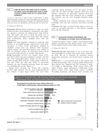
This study suggests that fatigue, joint pain, and light sensitivity are significant impacts for systemic lupus erythematosus patients, highlighting areas of unmet need in current treatment options.
In this case report, interferon-alpha treatment for a man with hemophilia and hepatitis C was associated with unexpected diffuse hair growth, likely caused by the medication.
 January 2025 in “Lasers in Medical Science”
 In this reported case, a 13-year-old boy with alopecia areata experienced complete lesion resolution and varied hair regrowth across different laser treatment parameters after three months of combined oral prednisone, topical ointment, and CO2 fractional laser therapy.
 January 2012 in “Human health handbooks”
 This review discusses the application of low-level light therapy for hair loss treatment, particularly androgenetic alopecia, and reports no new clinical results; the authors suggest consideration of light source characteristics and potential pros and cons.