 April 2016 in “Journal of The American Academy of Dermatology”
 This study found that inpatient dermatology consultations at a large tertiary care center often led to significant treatment changes, especially for complex skin conditions potentially linked to systemic diseases.
41 citations
,
June 2022 in “Biomedicines” This study proposes reclassifying PCOS into two distinct phenotypes based on androgen levels and suggests androgen supplementation may overcome IVF resistance in one group with advancing age.
34 citations
,
January 2004 in “Genomics” In this study, researchers identified a cluster of hair-specific keratin-associated protein genes within the 21q22.3 region, revealing a novel transcription mechanism involving TSPEAR/C21orf29 that may bypass typical transcriptional termination sites.
April 2026 in “Sri Lanka Journal of Medicine” This study found that female university students in Peradeniya, Sri Lanka have a low awareness of PCOS, with better knowledge scores among those trained by healthcare professionals and those in medical fields.
 August 1994 in “Molecular Endocrinology”
 This study found that AtT-20 pituitary cells with higher cAMP-dependent kinase activity had larger calcium currents and significantly increased beta-endorphin release compared to cells with lower kinase activity.
 May 2025 in “International Journal of Clinical Obstetrics and Gynaecology”
 This article reviewed literature from 2013-2023 and found that while varied treatment options for PCOS exist, managing the condition holistically, including lifestyle changes and gastric bypass surgery, can significantly improve symptoms and quality of life without worsening side effects.
 October 2025 in “International Journal of Science and Research (IJSR)”
 This article reviews the epidemiology, causes, clinical impact, and potential preventive strategies for Polycystic Ovarian Disease but reports no new research findings.
 12 citations
,
March 2015 in “Pediatric Dermatology”
12 citations
,
March 2015 in “Pediatric Dermatology” This review discusses diagnostic and management challenges of polycystic ovary syndrome in children and adolescents and reports no new clinical results; it emphasizes early intervention when a provisional diagnosis is suspected.
 32 citations
,
January 2000 in “Skin pharmacology and physiology”
32 citations
,
January 2000 in “Skin pharmacology and physiology” In this study, procyanidin B-2 and C-1 were found to promote hair growth by selectively inhibiting protein kinase C, supporting their potential use for hair-growing activity.
 5 citations
,
January 2021 in “iScience”
5 citations
,
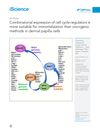
January 2021 in “iScience” Using a combination of specific cell cycle regulators is better for safely keeping hair root cells alive indefinitely compared to cancer-related methods.
76 citations
,
February 2007 in “Cancer Research” This study reported that UVR induced PKCε phosphorylation of Stat3 in transgenic mice, suggesting a role in enhancing sensitivity to UVR-related skin cancer development.

The project developed and tested a method using plasma rich platelets to treat hair loss.
 2 citations
,
February 2022 in “Pakistan Armed Forces Medical Journal”
2 citations
,
February 2022 in “Pakistan Armed Forces Medical Journal” This study found that women with PCOS reported significant appearance-related distress and social anxiety, especially in social settings.
1 citations
,
January 2009 in “PubMed” This systematic review evaluates the effectiveness and safety of various treatments for polycystic ovary syndrome including finasteride, flutamide, and metformin, but does not provide specific new results.
April 2024 in “Journal of clinical medicine” The research observed that among Ecuadorian Andean women with polycystic ovary syndrome, classical phenotypes A and B were more prevalent and associated with higher risks of insulin resistance and metabolic disorders compared to phenotypes C and D.
 August 2018 in “Journal of The American Academy of Dermatology”
 A 5-year-old girl with a rare skin disorder was effectively treated with skin creams instead of oral medication.
 December 2022 in “Cumhuriyet medical journal”
 This study observed that women with PCOS and no hyperandrogenism (group 3) had similar metabolic issues to those with classic PCOS, while those with no menstrual dysfunction (group 2) had milder issues related to lipid and insulin resistance.
3 citations
,
July 2023 in “International Journal of Trichology” This study found that treatment with diphenylcyclopropenone led to more than 75% hair regrowth in 33.3% of patients with alopecia totalis or alopecia universalis, despite notable side effects.
 105 citations
,
December 2009 in “Archives of dermatology”
105 citations
,
December 2009 in “Archives of dermatology” This overview discusses primary cicatricial alopecias, focusing on lichen planopilaris, and highlights the challenges in treatment and the progressive nature of hair loss despite symptom management, without providing new clinical results.
December 2020 in “Faculty Opinions – Post-Publication Peer Review of the Biomedical Literature” The KDM1 gene helps Venus flytraps close by managing potassium ions.
January 2026 in “International Journal of Biological Macromolecules” This study found that different polypeptides, including KP peptide and hydrolyzed keratin, can improve the mechanical properties of damaged hair under varying conditions, with reduction environments and cysteine content influencing their effectiveness.
1 citations
,
October 2024 in “BMC Infectious Diseases” This study found that post-COVID-19 syndrome incidence varied significantly by gender and identified ALP levels as a potential biomarker for its detection, challenging current diagnostic criteria.
4 citations
,
February 2011 in “Annals of internal medicine” This article discusses polycystic ovary syndrome, outlining its prevalence, diagnostic criteria, and the progress made in understanding this underdiagnosed condition, but reports no new clinical findings.
9 citations
,
July 2007 in “Circulation Research” This study found that disruptions in planar cell polarity signaling are implicated in congenital heart defects and cardiomyopathy in developing mouse hearts, associated with early cardiomyocyte disorganization and improper heart looping.
June 2020 in “Research Square (Research Square)” This study found that oral contraceptives containing cyproterone acetate significantly improved the overall quality of life in polycystic ovary syndrome patients after six months, compared to those containing levonorgestrel.
 October 2022 in “Indian Journal of Pharmacy Practice”
 This article discusses the confusion and misinformation surrounding PCOD and PCOS, two distinct but commonly misunderstood conditions, and reports no new clinical results.
 April 2023 in “Journal of Investigative Dermatology”
 This study found that KROX20 is crucial for hair follicle development and epidermal homeostasis, as its deletion in skin epithelial cells led to hair loss and increased epidermal thickness.
February 2026 in “Expert Review of Endocrinology & Metabolism” This review discusses the dermatologic manifestations and management of polycystic ovary syndrome, underscoring the need for mechanism-based, personalized treatments and integrated mental health support, but reports no new clinical results.
 December 2023 in “Curēus”
 In this case study, researchers reported the first instance of keratoacanthoma on the scalp of an elderly patient in Saudi Arabia, highlighting the diagnostic challenge due to its resemblance to squamous cell carcinoma.
January 2009 in “Epsilon: Revista de la Sociedad Andaluza de Educación Matemática "Thales"” This report describes a Cronkhite-Canada syndrome patient with severe sepsis and disseminated intravascular coagulation successfully treated using combined therapies, including recombinant human soluble thrombomodulin.