 November 2024 in “Karnataka Pediatric Journal”
 Chikungunya can cause hyperpigmentation in children and should be considered in diagnosis.
May 2023 in “Karnataka Pediatric Journal” This case report details an 8-year-old girl with systemic lupus erythematosus presenting as lupus pancreatitis, whose symptoms improved significantly following glucocorticoid and immunosuppressive therapy.
 May 2021 in “Біомедична інженерія і технологія”
 This review discusses the potential of the stromal-vascular fraction from adipose tissue for regenerative medicine but reports no clinical outcomes; the authors highlight the need for official protocols and regulations.
 January 2014 in “Journal of Physiology & Pathology in Korean Medicine”
 Microneedle roller therapy can help hair grow.
 4 citations
,
June 2024 in “Journal of pharmacopuncture”
4 citations
,
June 2024 in “Journal of pharmacopuncture” This review compiles current experimental research on Alzheimer's and cognitive impairment models, highlighting the potential of *Polygonum multiflorum* for treating neurological disorders and suggesting a foundation for future clinical trials.
 4 citations
,
December 2021 in “Journal of Pharmacopuncture”
4 citations
,
December 2021 in “Journal of Pharmacopuncture” This study reports that the microneedle therapy system has demonstrated significant effects on acne, acne scars, and hair loss treatment without serious side effects in Korean studies over the past decade.
 2 citations
,
September 2021 in “Journal of Pharmacopuncture”
2 citations
,
September 2021 in “Journal of Pharmacopuncture” This study reviews Korean medicine treatments for alopecia and found potential benefits, though side effects like pruritus and headache were reported; further research is needed to solidify treatment guidelines.
1 citations
,
June 2021 in “Journal of pharmacopuncture” This study found that while CBD did not change gene expression including β-catenin in hair follicles, it restored decreased β-catenin expression in dermal papilla cells affected by testosterone or PMA, suggesting a potential modulating function on alopecia.
 March 2024 in “Journal of pharmacopuncture”
 In this study, a patient with stress-induced Alopecia areata treated eight times with Hominis Placenta Pharmacopunture showed new terminal hair growth and a reduced lesion size, suggesting potential effectiveness of this treatment for the condition.
April 2006 in “Journal of Korean Pharmaceutical Sciences”  January 2025 in “Epsilon Archive for Student Projects (University of Southampton)”
 In this study investigating goat herds in Zambia, both mange and orf were detected, but with low occurrence linked to diagnostic challenges and mild clinical signs; further research, especially in conditions favoring mange mites, is recommended to better understand and manage these diseases.
 20 citations
,
December 2015 in “Journal of Pharmacopuncture”
20 citations
,
December 2015 in “Journal of Pharmacopuncture” In this study, thread-embedding therapy enhanced hair regrowth in C57BL/6 mice by regulating growth factors associated with hair follicle anagen development and promoting cellular proliferation in hair follicles.
 4 citations
,
June 2016 in “Journal of Pharmacopuncture”
4 citations
,
June 2016 in “Journal of Pharmacopuncture” This study found that Cornu cervi pantotrichum pharmacopuncture solution significantly promoted hair growth in mice by enhancing hair follicular cell proliferation and up-regulating FGF-7 expression.
May 2026 in “Genetics and Molecular Research” This study reported significant differences in adverse drug reactions among five chemotherapeutic regimens for oropharyngeal cancer, highlighting nausea/vomiting, alopecia, mucositis, myelosuppression, constitutional symptoms, and dermatological toxicities across different treatments.
 May 2002 in “British Journal of Dermatology”
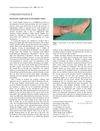
 A pregnant woman's skin condition improved after giving birth, possibly due to high estrogen levels during pregnancy.
 April 2024 in “Current journal of applied science and technology”
 This study developed an ointment from palm kernel oil and shea butter, which demonstrated improved hair growth in rabbits and may inform the creation of non-harmful hair growth products for humans.
 75 citations
,
January 1997 in “Journal of ethnopharmacology”
75 citations
,
January 1997 in “Journal of ethnopharmacology” This study found that Santolina oil was effective in controlling experimental candidiasis in both in vitro and in vivo settings and enhanced the effectiveness of clotrimazole against Candida albicans in vitro.
 14 citations
,
January 2014 in “Cells Tissues Organs”
14 citations
,
January 2014 in “Cells Tissues Organs” This study found that single high-dose irradiation in mice induced more severe acute skin injury and hair depigmentation, while fractional doses led to longer-term damage in the dermis and subcutis.
13 citations
,
February 2024 in “Clinical Cosmetic and Investigational Dermatology” This study demonstrated that intradermal treatment with a medical device using Polynucleotides High Purification Technology (PN HPT) significantly improved skin surface, firmness, pigmentation, and radiance in 30 Asian subjects, with benefits lasting up to six months and no adverse events reported.
 11 citations
,
July 2020 in “International Journal of Ayurvedic Medicine”
11 citations
,
July 2020 in “International Journal of Ayurvedic Medicine” This study identified 26 bioactive compounds in the ethanol extract of Indigofera tinctoria leaves, which are linked to various therapeutic activities, supporting its traditional medicinal use in treating numerous health conditions.
 6 citations
,
January 2019 in “Dermatology Research and Practice”
6 citations
,
January 2019 in “Dermatology Research and Practice” This study found that ocular and mucocutaneous sequelae are common in SJS/TEN survivors, with exposure to sulfadoxine and severe acute ocular involvement identified as significant risk factors for ocular sequelae.
5 citations
,
July 2025 in “Nutrients” This study reviews how advancements in nanotechnology have improved food safety, nutrition delivery, and health interventions, but it also highlights the need for more research into safety evaluations and regulatory concerns.
 3 citations
,
December 2020
3 citations
,
December 2020 This study investigated the interdigital glands in sheep, highlighting their apocrine sweat glands' ultrastructural characteristics and positive lectin reaction, but reported no new clinical results.
 3 citations
,
March 2020 in “Dermatology Research and Practice”
3 citations
,
March 2020 in “Dermatology Research and Practice” In this study, 33 overweight women with normal hormone levels but showing PCOS symptoms experienced substantial reductions in acne lesions and improvements in hirsutism and menstrual irregularities after 8 weeks of Tracnil™ treatment, with minimal adverse reactions reported.
 2 citations
,
December 2024 in “Bulletin of Rehabilitation Medicine”
2 citations
,
December 2024 in “Bulletin of Rehabilitation Medicine” In this study, chitosan glycolate sponges demonstrated the highest cell survival rates and blood absorption, highlighting their potential as hemostatic materials, whereas chitosan ascorbate sponges inhibited cell growth and metabolic activity, indicating further development is needed.
1 citations
,
March 2024 in “Nanomaterials” This review article summarizes recent advancements in biomimetic scaffolds, highlighting their promise in tissue engineering and personalized medicine, particularly for skin and musculoskeletal system regeneration, while emphasizing the need for more extensive research to ensure their safety for human use.
1 citations
,
February 2022 in “Research journal of pharmacy and technology” This study suggests that Wrightia tinctoria extract, particularly its components Quercetin and Indirubin, may play a role in promoting hair growth when tested on albino male Wistar rats.
1 citations
,
December 2019 in “World rabbit science” This study found that high concentrations of supplemental cobalt inhibited hair follicle development in rabbits, potentially involving the mTOR-BMP signaling pathway.
 1 citations
,
January 2016 in “International journal of research in ayurveda and pharmacy”
1 citations
,
January 2016 in “International journal of research in ayurveda and pharmacy” This study found that a herbal formulation optimized with specific concentrations of plant extracts showed promising antifungal activity against Malassezia furfur.
1 citations
,
January 1980 in “Side effects of drugs annual” This chapter reviews various adverse effects associated with vitamins, including hypercalcemia from high doses of vitamin A, hair loss from retinoid treatment, and complications with vitamin B6 in Parkinson's therapy, but reports no new clinical findings.