6 citations
,
December 1990 in “PubMed” This study examined the expression patterns of various cytokeratins in the outer root sheath of human anagen hair follicles, noting distinct differentiation patterns and localization of keratin markers.
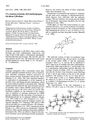 December 1998 in “Acta Crystallographica Section C-crystal Structure Communications”
 This study describes the molecular conformation and intermolecular interactions in the crystalline structure of the compound C24H31BrO4.
 5 citations
,
October 2020 in “Experimental dermatology”
5 citations
,
October 2020 in “Experimental dermatology” This study reports that during late embryogenesis and early postnatal development, K79-expressing keratinocytes change and die independently of sebaceous glands to form the hair follicle opening, potentially influencing conditions like ingrown hairs or acne.
28 citations
,
August 1992 in “Differentiation” This study identified a new 65 kD and 48 kD keratin pair expressed in specific mouse epithelial sites, suggesting a unique evolutionary branch of hair-related keratins.
July 2021 in “Zurich Open Repository and Archive (University of Zurich)” This study provided new insights into the complex and heterogeneous architecture of keratin filaments, revealing their dynamic and flexible structure through cryo-electron microscopy analysis.
 1 citations
,
October 2017 in “ecancermedicalscience”
1 citations
,
October 2017 in “ecancermedicalscience” This study observed that the molecular structure of keratins in hair fibres' discrete transition zone differs in breast cancer patients, with altered lipid ester absorption bands reverting post-cancer removal.
44 citations
,
May 1997 in “Journal of Biological Chemistry” This study found that regulatory sequences crucial for inducing K6a expression in response to epidermal injury are located in specific upstream regions of the K6a gene in transgenic mice.
 10 citations
,
July 2015 in “Journal of Cosmetic Dermatology”
10 citations
,
July 2015 in “Journal of Cosmetic Dermatology” This study found elevated tissue levels of DKK-1 in patients with both androgenetic alopecia and alopecia areata compared to controls, suggesting DKK-1 as a potential therapeutic target for these conditions.
159 citations
,
October 1986 in “The Histochemical Journal”  2 citations
,
January 2017 in “Folia biologica”
2 citations
,
January 2017 in “Folia biologica” This study identified two single-nucleotide polymorphisms and three haplotypes in the KRTAP7-1 gene across yak, taurine, and zebu cattle, with the BOVIN-KRTAP7-1*A haplotype most prevalent.
January 2022 in “International journal of dermatology and venereology” This case study reports a 36-year-old man with KID syndrome caused by an N14Y GJB2 mutation, expanding the mutation spectrum of this condition in the Chinese population.
28 citations
,
February 2014 in “Journal of Cutaneous Pathology” In this study, researchers observed that keratoacanthoma exhibits dynamic follicular differentiation throughout its stages, with changes in specific keratin expressions, and regressed lesions showing epidermal rather than follicular characteristics.
 December 2025 in “Nature Communications”
 In this study using mouse models, researchers found that elevated IL-17a in aged olfactory epithelium impairs olfactory function, while IL-17a inhibition promotes regeneration and mitigates age-related decline.
8 citations
,
February 2020 in “Journal of Drug Delivery Science and Technology” This study demonstrated that using PLGA nanoparticles to deliver chlorogenic acid significantly increased type 17 collagen production in human epidermal cells, indicating potential for improved skincare formulations.
 July 2022 in “The journal of investigative dermatology/Journal of investigative dermatology”
 This study suggests that impaired Nrf2 signaling and its relationship with keratin 16 may contribute to follicular hyperkeratinization and occlusion in hidradenitis suppurativa, opening new therapeutic avenues.
April 1996 in “Journal of Dermatological Science” 26 citations
,
March 2006 in “Endocrine, metabolic & immune disorders. Drug targets” This article discusses the functions of the enzyme 17beta-HSD10, including its role in steroid metabolism and potential links to Alzheimer's disease, but reports no new experimental findings.
January 2011 in “The Chinese Journal of Dermatovenereology” In this study, DPC-hTERT cells were shown to induce hair follicle-like structures expressing specific keratin when co-injected with epithelial cells into nude mice.
6 citations
,
April 2005 in “Journal of dermatological science” This study identified the expression sites of five KAP5 genes on human chromosome 11q13.5 in scalp skin sections but did not explore their detailed distribution within hair follicles.
 1 citations
,
March 2022 in “Journal of Dermatological Science”
1 citations
,
March 2022 in “Journal of Dermatological Science” This study concluded that overexpressing TERT and BMI1 in cultured human dermal papilla cells extended their lifespan and enhanced their ability to induce hair growth in mice.
 7 citations
,
July 2019 in “The Journal of Dermatology”
7 citations
,
July 2019 in “The Journal of Dermatology” This case report describes an 18-year-old male with kerion celsi from Trichophyton tonsurans infection whose condition improved with terbinafine treatment, and highlights that although IL-17A expression increased in skin lesions, it was associated with disrupted antimicrobial peptide expression and severe inflammation, causing tissue damage.
28 citations
,
March 1993 in “Journal of Cell Science” In this study, rabbit esophageal epithelial cells were found to produce K4 and K13 keratins in suprabasal cells, forming disulfide-crosslinked dimers that may support the physical stability of the esophageal lining.
September 2025 in “OPAL (Open@LaTrobe) (La Trobe University)” This study observed that treating hair follicles with BM15766 and 7DHC led to structural damage, disrupted cellular organization, reduced expression of key genes and proteins, and increased apoptosis, in contrast to controls, indicating detrimental effects on hair follicle integrity.
 June 2024 in “British Journal of Dermatology”
 This article presents a family case study of dermatopathia pigmentosa reticularis linked to a specific KRT14 gene variant, detailing symptoms and stressing the importance of molecular diagnosis for management.
14 citations
,
June 2012 in “Stem Cells” This study found that depletion of TACE in mouse hair follicles led to impaired stem cell maintenance and hair loss, implicating TACE and EGFR signaling in hair follicle stem cell homeostasis.
 3 citations
,
September 2022 in “The journal of investigative dermatology/Journal of investigative dermatology”
3 citations
,
September 2022 in “The journal of investigative dermatology/Journal of investigative dermatology” This study found that enhanced wound healing in oral mucosa involves a SOX2-regulated transcriptional network which includes increased expression of keratin K75, and interaction of K75 with the LINC complex may play a crucial role in promoting rapid wound repair.
 June 2026 in “Communications Biology”
 In this study, researchers found that the cornification process in the nuptial pads of Xenopus frogs involves the expression of the type II hair keratin homolog, krt59, and is regulated by the transcription factor hoxc13, showing similarities to mammalian hair evolution.
22 citations
,
January 1990 July 2025 in “International Journal of Molecular Sciences” This genetic study identified four new keratin-associated protein genes in sheep, revealing significant sequence variation and suggesting complex evolutionary dynamics, with unique variants in some sheep breeds linking them to Romanov sheep ancestry.
2 citations
,
November 1992 in “Journal of dermatology” This study found that cells isolated from human scalp hair follicles proliferated well in a specific culture medium and possessed keratins characteristic of hair-forming cells.