 April 2023 in “Journal of Investigative Dermatology”
 In ex vivo organ culture of human scalp hair follicles, this study found that IL-9 signaling inhibits hair growth, reduces progenitor cell generation, and disrupts immune privilege.
July 2026 in “Journal of Investigative Dermatology” Alopecia totalis/universalis involves more intense immune activity and inflammation than patchy alopecia areata.
July 2024 in “Journal of Investigative Dermatology” OR101 may effectively treat atopic dermatitis and similar skin conditions.
 April 2018 in “Journal of Investigative Dermatology”
 This study found that IL-9 influences the behavior of human primary keratinocytes by promoting motility while reducing invasion potential through a novel mechanism independent of matrix-metalloproteinases.
11 citations
,
February 2023 in “British Journal of Pharmacology” This study found that ISX9 may activate the Wnt/β-catenin signaling pathway and holds potential as a therapeutic agent for treating alopecia.
2 citations
,
December 2023 in “Stem Cells Translational Medicine” This study found that combining ISX-9 with mesenchymal stem cells enhanced their ability to reduce inflammation and repair lung damage in an acute lung injury model compared to using the cells alone.
 March 2018 in “Suez Canal University Medical Journal”
 This review examines targeting the JAK-STAT pathway in inflammatory skin diseases, highlighting existing JAK inhibitors and potential developments, but presents no new experimental or clinical results.
This study identified ISX9 as a novel agonist of the Wnt/β‐catenin pathway, which promoted hair regrowth in mice and may offer a therapeutic approach for alopecia.
In this study, human dermal papilla cells exposed to wasabi leaf extract showed changes in cytokine-related gene expression, which the authors suggest could help clarify the biological effects of wasabi.
 January 2025 in “Universidad de Córdoba Insitutional Repository (Universidad de Córdoba)”
 In this study, researchers observed that individuals with alopecia areata exhibited significant changes in scalp microbiota diversity and composition, which were linked to disease severity and inflammation markers, though it remains unclear if these microbial shifts are a cause or a result of hair loss.
13 citations
,
December 2005 in “Traffic” In this study, researchers found that syntaxin 9, a novel syntaxin family member, interacts specifically with the epidermal growth factor receptor and may influence its transport and signaling in some epithelial cells.
 November 2023 in “Materials Today Bio”
 In this study, researchers developed a novel temperature-sensitive biopolymer-based drug delivery system that enhanced the transdermal delivery of ISX9, a neurogenesis inducer, resulting in more effective hair follicle regrowth and signal pathway activation in vivo compared to traditional topical application.
11 citations
,
September 2023 in “Nature Communications” In this study, researchers found that the cell surface protein Lrig1 plays a crucial role in regulating the suppressive function of regulatory T cells, suggesting it as a potential target for treating autoimmune diseases, as evidenced by experiments in mouse models.

This research observed that removing RNase L in mice enhances regenerative capacity through increased IL-36 and wound-induced hair neogenesis, highlighting RNase L as a gene that represses regeneration by moderating immune responses during viral infections.
 February 2025 in “Journal of Clinical Investigation”
 This study found that RNase L acts as a regeneration repressor gene in mammals, as seen in Rnasel-/- mice which showed increased regenerative capacity and elevated Wound Induced Hair Neogenesis through enhanced IL-36α signaling, suggesting a tradeoff between regeneration and immune regulation.
April 2023 in “Journal of Investigative Dermatology” RNase L suppresses regeneration in mammals.
July 2025 in “Journal of Investigative Dermatology”  August 2024 in “Cell Death and Disease”
 This study found that toll-like receptor 9 plays a previously unrecognized role in sensing skin injury and influencing tissue repair and regeneration in adult mice by modulating γδT cell migration.
This study found that IL18 signaling plays a crucial role in the homing and retention of mature regulatory T cells in the mouse thymus, primarily by upregulating the chemokine receptor CCR6.
3 citations
,
August 2024 in “Molecular Biology Reports” This study found that the lncRNA018392, responsive to melatonin, accelerates cell proliferation in cashmere goats by recruiting the transcription factor SPI1 to upregulate the nearby gene CSF1R, which may explain the molecular mechanisms of cashmere growth.
February 2014 in “Cancer Research” This study found that MYH9 acts as a tumor suppressor in squamous cell carcinomas by stabilizing p53 in the nucleus, suggesting its role in cancer prevention.
19 citations
,
May 2018 in “Molecular Medicine Reports” This study found that miR-339-5p negatively regulates loureirin A-induced differentiation of hair follicle stem cells, potentially impacting skin repair and regeneration by inhibiting the Wnt/β-catenin signaling pathway.
40 citations
,
July 2015 in “Kidney International” This study found that blocking interleukin-3 improved lupus nephritis symptoms in MRL/Ipr mice, suggesting IL-3 may play a role in the disease's progression.
 11 citations
,
October 2001 in “Dermatologic Clinics”
11 citations
,
October 2001 in “Dermatologic Clinics” In this study, subcutaneous recombinant human IL-12 showed a 43% partial response rate in early-stage mycosis fungoides patients refractory to previous treatments, with generally mild to moderate adverse events reported.
1 citations
,
October 2023 in “BMC Genomics” This study identified miRNAs within the Dlk1-Gtl2 region on chromosome 18 as potential epigenetic regulators of lamb fur traits, with possible implications for the PI3K-AKT signaling pathway.
 24 citations
,
July 2017 in “Structure”
24 citations
,
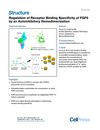
July 2017 in “Structure” In this study, researchers found that ligand homodimerization controls the receptor binding specificity of the FGF9 subfamily, preventing off-target activation of FGFR "b" isoforms.
69 citations
,
February 2008 in “The American journal of pathology” This study found that local injections of interleukin-4 and neutralizing anti-interferon-γ antibody effectively treated alopecia in a mouse model, suggesting potential therapeutic pathways for human alopecia areata.
January 2026 in “Cytokine” 4 citations
,
August 2022 in “Cells” This study found that the lncRNA lncRNA2919 is involved in hair follicle regeneration by downregulating growth-related genes, inhibiting cell proliferation, and promoting apoptosis in rabbit dermal papilla cells.
 June 2026 in “bioRxiv (Cold Spring Harbor Laboratory)”
 This study found that inhibiting the interaction between HOTAIR and EZH2 can block pro-fibrotic gene expression in fibroblasts and interfere with tissue remodeling in systemic sclerosis patient skin.