 5 citations
,
March 2023 in “Archives of dermatological research”
5 citations
,
March 2023 in “Archives of dermatological research” This study found that hidradenitis suppurativa is associated with increased serum levels of hypoxia-inducible factor-1α, suggesting its role in the disease's pathogenesis and as a treatment target.
 1 citations
,
May 2023 in “Prospects in Pharmaceutical Sciences”
1 citations
,
May 2023 in “Prospects in Pharmaceutical Sciences” This study reviews current treatments for alopecia areata, highlighting that despite various options like corticosteroids and immunosuppressives, their limited efficacy and potential side effects are challenges, while targeting specific cytokines has shown promise except with TNF inhibitors, which may worsen the condition.
 1 citations
,
January 2020 in “Benha Journal of Applied Sciences”
1 citations
,
January 2020 in “Benha Journal of Applied Sciences” This study found that DEFB1 polymorphisms, specifically the rs1800972 CG and GG genotypes, may predict susceptibility to and severity of alopecia areata.
 1 citations
,
April 2018 in “Journal of Investigative Dermatology”
1 citations
,
April 2018 in “Journal of Investigative Dermatology” In this study, OEA was found to significantly enhance sebaceous lipogenesis and potentially reduce inflammation in human sebocytes, suggesting it as a promising candidate for treating skin dryness.
 1 citations
,
April 2017 in “Journal of Investigative Dermatology”
1 citations
,
April 2017 in “Journal of Investigative Dermatology” This proof-of-concept study reported that a new, ultra-fast, one-step immunohistochemistry method improved the interpretation of Mohs surgery slides, particularly for poorly differentiated tumors.
 1 citations
,
April 2017 in “Journal of Investigative Dermatology”
1 citations
,
April 2017 in “Journal of Investigative Dermatology” This study evaluated the effects of topical glucocorticoids on human skin using non-invasive imaging methods and observed changes such as alterations in skin layer thickness, keratinocyte size, and collagen and elastin signal intensity.
 April 2026 in “Frontiers in Medicine”
 In this case report, a female patient with both psoriasis and lichen planus initially responded to acitretin and topical mometasone but experienced a relapse after stopping the treatment. The authors reported marked improvement within 3 months after switching to upadacitinib, aiming to guide clinical decision-making.
 April 2026 in “Dermatology and Therapy”
 This review discusses the various skin changes, pregnancy-specific dermatoses, and medication management related to dermatologic health during pregnancy, aiming to provide clinicians with an evidence-based guide for diagnosis and treatment.
 October 2025 in “Editora Pasteur eBooks”
 The abstract discusses the multidisciplinary nature and advancement of dermatology and aesthetic procedures within the health sciences, emphasizing the integration of diagnostic, corrective, preventive, and therapeutic approaches, but does not provide specific study results.
 September 2025 in “Nano Biomedicine and Engineering”
 This review summarizes recent advances in nanomedicine-based therapies for psoriasis, highlighting their potential to provide targeted and sustained therapeutic effects by modulating key cellular components and signaling pathways involved in the disease, offering novel perspectives for future treatment development.
 January 2025 in “Dermatology Review”
 This case report from the provided study details a previously unreported adverse effect of salivary gland inflammation potentially linked to acitretin therapy for generalized pustular psoriasis, suggesting further research is needed to explore this association.
 October 2024 in “South Eastern European Journal of Public Health”
 This study on women aged 18–40 with polycystic ovary syndrome reported that a three-month treatment involving dietary changes, oral contraceptives, fertility drugs, and supplements significantly improved ovulation, menstrual regularity, BMI, and reduced hirsutism, acne, and certain immune factors compared to pre-treatment and control groups.
 August 2024 in “Clinical Cosmetic and Investigational Dermatology”
 In this case report, a patient with severe erythrodermic psoriasis and diffuse alopecia who was unresponsive to conventional treatments showed complete resolution of skin lesions and alopecia after being treated with ixekizumab.
 January 2024 in “Advances in Dermatology and Allergology”
 This review explores the inflammatory pathogenesis and clinical presentation of hidradenitis suppurativa, highlighting the complexity of treatment and the impact on patients' quality of life, while also examining emerging therapeutic options.
 January 2024 in “Asthma Allergy Immunology”
 This review examines the role of innate lymphoid cells in allergic diseases and the influence of an allergic microenvironment on their plasticity, without reporting new clinical outcomes.
 October 2023 in “Benha Journal of Applied Sciences”
 This review evaluates the role of the nuclear receptor PPAR- in skin diseases, highlighting its regulation of inflammation, lipid metabolism, and immune response, and suggests that PPAR-agonists could be promising therapies for conditions like psoriasis and atopic dermatitis.
 March 2023 in “Revista română de reumatologie”
 This article reviews the classification and treatment of cutaneous manifestations in systemic lupus erythematosus, highlighting the importance of monitoring for disease progression and reports no new clinical results.
 June 2020 in “Journal of Investigative Dermatology”
 This study found that human hair follicle dermal papilla cells and keratinocytes self-assembled differently in 3D spheroid co-cultures, providing insights into cell distribution and organogenesis during skin regeneration.
 April 2018 in “Journal of Investigative Dermatology”
 This study found that Mentha suaveolens aqueous extract activated Nrf-2 and increased detoxifying enzyme expression in keratinocytes, providing protection against oxidative stress without cytotoxicity.
 April 2018 in “Journal of Investigative Dermatology”
 This study found that claudins CLDN1 and CLDN3 are crucial for maintaining proper hair follicle structure in mice, and their dysregulation may lead to telogen hair loss.
 April 2018 in “Journal of Investigative Dermatology”
 This study found that terminally differentiated effector memory Vδ1T-cells and their cytotoxic activation markers were elevated in alopecia areata patients, suggesting these cells may contribute to its early pathogenesis.
 April 2018 in “Journal of Investigative Dermatology”
 The researchers reported that nicotinic acid normalized excessive sebaceous lipogenesis without affecting basal lipogenesis and suggested potential anti-acne benefits.
 March 2018 in “Suez Canal University Medical Journal”
 This review examines targeting the JAK-STAT pathway in inflammatory skin diseases, highlighting existing JAK inhibitors and potential developments, but presents no new experimental or clinical results.
 February 2018 in “Egyptian Journal of Radiation Sciences and Applications”
 This study observed that Egyptian patients with discoid lupus erythematosus have significantly lower serum vitamin D3 and antioxidant levels compared to healthy controls, suggesting potential benefits of vitamin D3 and antioxidant supplementation.
 April 2017 in “Journal of Investigative Dermatology”
 In this study, HPH-15, a newly synthesized compound, demonstrated potential in reducing skin fibrosis in a mouse model by targeting underlying pathogenic mechanisms and exhibited a good safety profile, warranting further clinical trials for fibrotic skin disorders like systemic sclerosis.
 April 2017 in “Journal of Investigative Dermatology”
 In this study, deep phenotyping of 68 patients with XPD gene defects successfully separated individuals by clinical diagnosis and survival status, potentially improving diagnosis and prognosis for xeroderma pigmentosum and trichothiodystrophy.
 July 2016 in “Experimental Dermatology”
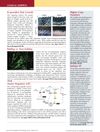
 This article provides clinical snippets from Experimental Dermatology and reports no new research findings.
 April 2016 in “JAMA Dermatology”
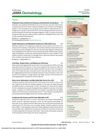
 Acne is not a key diagnostic feature for PCOS, postadolescent men with acne may have insulin resistance, melanoma patients often have few moles, tumor size in CSCC indicates higher risk of serious outcomes, and hidradenitis suppurativa is linked to higher risk of heart problems and death.
 January 2016 in “Springer eBooks”
 This review discusses medications used in dermatology, detailing their side effects and interactions, and reports no new clinical results.

This study found a direct correlation between IL6 and insulin, glucose, and cholesterol serum levels in patients with oral lichen planus, suggesting a potential increased cardiovascular risk.