
This research found that keratin hydrogels derived from human hair may support cell viability and proliferation, indicating potential as 2D and 3D soft tissue culture scaffolds.
6 citations
,
December 2017 in “Journal of Drug Delivery and Therapeutics” This article proposes the development of a non-sticky Arnica Hydrogel for hair growth, noting that current hair loss treatments do not provide satisfactory results.
4 citations
,
February 2018 in “Facial Plastic Surgery” In this research, a minimally invasive endoscopic brow lifting technique was presented as a viable option to reshape and fixate heavy eyebrows in mestizo patients, offering an effective approach that requires careful patient analysis to determine the appropriate technique and desired outcomes.
 November 2024 in “RECIMA21 - Revista Científica Multidisciplinar - ISSN 2675-6218”
 In this study, researchers investigated the use of the Pulse Booster Drug Delivery Mesojectgun technology for non-invasive treatment of scalp conditions, finding improvements in hair volume, thickness, and reduction of hair loss in four participants with alopecia after applying specific active ingredients.
August 2018 in “Australasian journal of dermatology” This article is a letter discussing a case of cutaneous lymphoid hyperplasia following hyaluronic acid filler injection and fat grafting, reporting no new results.
12 citations
,
March 2009 in “Aesthetic Surgery Journal” This study reports that the modified lateral brow lift effectively elevates the lateral brow with minimal complications, preserving scalp sensory innervation.
November 2025 in “Analytical Chemistry” This study developed an ultrahigh-power sonicator to improve protein extraction from hair shafts, followed by advanced proteomic analysis, identifying 239 differentially expressed proteins in fetal growth restriction cases compared to healthy controls, which were validated as potential biomarkers for perinatal diagnostics.
 March 2026 in “Preprints.org”
 This review analyzed how the chirality of peptide building blocks affects their self-assembly into hydrogels, comparing structural and mechanical properties of homochiral and heterochiral peptides, and discussed potential biological applications of these peptide systems.

This study formulated and evaluated a Hibiscus rosa-sinensis herbal gel, identifying a 20% concentration as superior in physical properties, suggesting its potential as an alternative drug delivery system.
6 citations
,
January 2025 in “Journal of Materials Chemistry B” This review discusses liposome-composite hydrogel microspheres as drug delivery systems, detailing their fabrication techniques, properties, and applications, but it reports no new experimental results.
 62 citations
,
February 2016 in “ACS Applied Materials & Interfaces”
62 citations
,
February 2016 in “ACS Applied Materials & Interfaces” This study found that 3D microtissue models of dermal papilla cells can enhance the ability to induce hair-follicle neogenesis in vivo, offering potential for controlled cell production in follicle regeneration.
 July 2025 in “ACS Applied Materials & Interfaces”
 This study found that combining ultrasound with a GelMA hydrogel able to deliver mesenchymal stem cell-derived vesicles significantly improved wound healing in a mouse model by enhancing fibroblast activity, promoting re-epithelialization, and facilitating hair follicle regeneration, highlighting a novel approach to skin regeneration therapy.
 April 2021 in “Journal of Investigative Dermatology”
 This trial found that intradermal injections of the Hair Stimulating Complex were well-tolerated and effectively stimulated hair growth and prevented hair loss in male pattern baldness participants over 18 weeks.
October 2014 in “University of the Arts London Research Online (University of the Arts London)” This study compared hydrolysed wheat protein, L-arginine, and hydrolysed collagen for their effectiveness in enhancing the tensile strength of heavily bleached hair.
 June 2026 in “arXiv (Cornell University)”
 This study investigated the dynamic mechanical properties of fluid-immersed elastic hair beds under oscillatory shear flows, revealing a nonlinear response influenced by driving frequency and amplitude, which impacts mechanosensory signaling stability in biological processes like vasodilation and ciliary remodeling.
 239 citations
,
December 2013 in “Scientific Reports”
239 citations
,
December 2013 in “Scientific Reports” In this study, researchers developed a microfluidics-based method for creating uniform, size-controlled stem cell spheroids that enhance osteogenic differentiation when encapsulated in alginate-RGD microgels.
 February 2026 in “Bioengineering”
 This preliminary study suggests that hyperbaric oxygen therapy may improve scalp health and follicle activation in healthy adults, with subjective assessments showing significant improvements despite mixed objective findings.
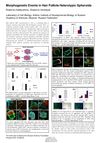
This study found that hyaluronic acid increased the size of hair follicle germ-like aggregates and the number of proliferative cells but did not maintain specific markers during the process.
 22 citations
,
August 2013 in “Facial Plastic Surgery Clinics of North America”
22 citations
,
August 2013 in “Facial Plastic Surgery Clinics of North America” A cosmetic procedure can lower the hairline by up to 10 cm, with high satisfaction but potential for temporary sensation loss and rare risks.
 39 citations
,
August 2022 in “Cell Death and Disease”
39 citations
,
August 2022 in “Cell Death and Disease” This study found that a dopamine-methacrylated hyaluronic acid hydrogel enhances the efficacy of adipose-derived stem cells in promoting skin regeneration, potentially involving the Notch signaling pathway.
 2 citations
,
January 2023 in “Bioresource Technology Reports”
2 citations
,
January 2023 in “Bioresource Technology Reports” This study suggests that using glycosidases to lyse the polysaccharides of Botryoccocus braunii may allow for the semi-continuous recovery of hydrocarbons while keeping the cells viable.
 May 2025 in “Journal of Craniofacial Surgery Open”
 This case study observed that high-intensity focused ultrasound treatment significantly improved hair density and reduced hair loss in a female patient with androgenetic alopecia, with no adverse events reported.
 February 2024 in “International Journal of Biological Macromolecules”
 In this study, researchers developed a microfluidic-assisted technology to create dual-layer microspheres containing mesenchymal and epidermal cells, which efficiently induced hair follicle regeneration in mice, suggesting potential improvements for hair regeneration treatments in conditions like androgenetic alopecia.
 1 citations
,
September 2025 in “Journal of Ultrasound in Medicine”
1 citations
,
September 2025 in “Journal of Ultrasound in Medicine” This study found that AI using YOLOv11 architecture can reliably differentiate between hyaluronic acid and silicone oil cosmetic fillers on ultrasound, achieving high accuracy, whereas identifying calcium hydroxyapatite and polymethylmethacrylate remains less consistent, requiring further improvements.
45 citations
,
January 2021 in “Stem Cell Research & Therapy” This study found that incorporating adipose-derived stem cell conditioned medium into a polysaccharide hydrogel effectively reduced scar hyperplasia, with the combination offering better outcomes in preventing hypertrophic scarring compared to the medium alone in a rabbit ear model.
 February 2023 in “Biophysical Journal”
 Light can be used to stimulate ear hair cells, improving speed and consistency over previous methods.
This study observed that hydrophobic modifications of hair matrix proteins significantly alter the humidity-dependent glass transition temperature of human hair.
262 citations
,
May 2020 in “Advanced Functional Materials” This study demonstrated that a newly developed polypeptide-protein hydrogel with vascularization and antibacterial properties promoted tissue regeneration and hair follicle formation in infected wound healing.
 March 2025 in “Advanced Materials”
 This study developed a novel hydrogel dressing, QL@MAB, which facilitates accelerated healing of infected diabetic wounds in rats by offering prolonged drug release, water retention, and adaptive drug delivery in response to high glucose levels in the wound environment.
6 citations
,
April 2023 in “Frontiers in Bioengineering and Biotechnology” In a murine burn wound model, this study found that an enhanced fractal self-pumping dressing significantly reduced wound area and tissue edema by efficiently draining excess exudates.