4 citations
,
January 2017 in “Acta dermato-venereologica” A new EDA gene mutation was found in a Chinese family with a specific skin disorder.
This study identified the combination of NCBP3, SDHA, and PTPRA as stable reference genes for normalizing gene expression in goat skin tissue research.
June 2013 in “Institutional Repositories DataBase (IRDB)” This study reported that Glechoma hederacea subsp. grandis extract promoted hair growth in humans and mice, suggesting its potential as a natural remedy for hair loss conditions.

This study formulated and evaluated a Hibiscus rosa-sinensis herbal gel, identifying a 20% concentration as superior in physical properties, suggesting its potential as an alternative drug delivery system.
 February 2024 in “Frontiers in plant science”
 This study found that Plant Elicitor Peptides enhance root hair growth through a mechanism independent of their known receptors, with PROPEP2 playing a key role in this process by influencing gene expression related to root hair formation.
 November 2023 in “Journal of animal science/Journal of animal science ... and ASAS reference compendium”
 In this study, researchers examined the genetic factors impacting cortisol and DHEA concentrations in the hair of healthy pigs; they found that cortisol levels were heritable and genetically correlated with behavioral stress responses, suggesting these hormones could potentially serve as indicators for selecting disease-resilient pigs.
January 2018 in “Elsevier eBooks” This chapter reviews Hutchinson–Gilford progeria syndrome as a model for studying aging but presents no new findings, covering its genetic basis, clinical features, and existing treatments.
 3 citations
,
January 2005 in “Biological & Pharmaceutical Bulletin”
3 citations
,
January 2005 in “Biological & Pharmaceutical Bulletin” This study reports that the peptide GPIGS, found in Bacillus sp. M18 conditioned medium, may promote hair growth through the PI-3K/Akt pathway and accelerate hair regrowth in mice.
1 citations
,
August 2016 in “Hanbang an'i'bi'in'hu pibu'gwa haghoeji” In this study using lab models, YangHyulEum Gami-Bang (YHEG) was associated with promoting hair growth and inhibiting factors that contribute to hair loss.
January 2021 in “대한피부과학회지” In this randomized controlled trial, the topical application of a PGA solution significantly increased hair density in patients with androgenetic alopecia compared to placebo, with no adverse reactions reported over 24 weeks, suggesting its potential as a safe and effective treatment option.
 June 2022 in “Indian journal of clinical and experimental opthalmology”
 This case report details the ocular complications of Hutchinson-Gilford Progeria syndrome in a 20-year-old Bangladeshi patient, highlighting symptoms like dry eyes, Meibomian gland dysfunction, and cataracts.
4 citations
,
February 2025 in “Nutrients” This randomized controlled trial found that consuming *Gynostemma pentaphyllum* extract significantly improved hair elasticity, density, and diameter over 24 weeks without severe adverse events, suggesting it as a safe functional food ingredient for hair health improvement.
July 2024 in “International Journal of Molecular Sciences” This study explored the effects of DPP, a 15-PGDH inhibitor, on human follicle dermal papilla cells damaged by dihydrotestosterone and observed that DPP enhanced wound healing, reduced reactive oxygen species, and increased hair growth in ex vivo human hair follicle cultures.
 9 citations
,
March 2022 in “Terapevticheskii arkhiv”
9 citations
,
March 2022 in “Terapevticheskii arkhiv” This article reviews human placenta hydrolysates and their complex molecular mechanisms in treating various conditions but does not present new clinical findings.
 22 citations
,
August 2013 in “PLOS ONE”
22 citations
,
August 2013 in “PLOS ONE” This study found that using a non-invasive multielectrode array for gene electrotransfer in hairless guinea pigs increased gene expression in the epidermis significantly, with minimal skin changes observed.
October 2019 in “DOAJ (DOAJ: Directory of Open Access Journals)” This study found that the developed hydrogel nanoparticles showed potential for enhancing hair growth by effectively delivering and releasing hair growth-promoting herbal extracts into hair follicles.
 April 2018 in “Journal of Investigative Dermatology”
 This study found that the absence of Hes1 in hair follicles delays secondary hair germ activation and shortens the anagen phase, impacting HFSC self-renewal and long-term hair regeneration.
February 2026 in “The Journal of Sexual Medicine” In this case report, goserelin, a GnRH agonist, was effective in managing stuttering priapism and improving erectile function in a patient with sickle cell disease, suggesting potential for last-line treatment.
 July 2025 in “The Egyptian Journal of Hospital Medicine”
 This study found that serum GPER-1 levels may serve as a biomarker for differentiating androgenetic alopecia from telogen effluvium and healthy controls, although its ability to distinguish between AGA and TE is limited.
 5 citations
,
November 2017 in “Asian journal of pharmaceutical and clinical research”
5 citations
,
November 2017 in “Asian journal of pharmaceutical and clinical research” This study found that water fractions of Angiopteris evecta stimulated hair growth in male rabbits, suggesting potential alopecia treatment benefits pending further research in humans.
July 2025 in “Indian Journal of Endocrinology and Metabolism” This source provides a comprehensive guideline for the management of transgender individuals in India, highlighting the need for multidisciplinary diagnosis, counseling for gender-affirming hormone therapy, and the importance of addressing social stigma, legal issues, and medical training to improve healthcare access for this population.
 30 citations
,
June 2016 in “Journal of Human Genetics”
30 citations
,
June 2016 in “Journal of Human Genetics” This study found pathogenic mutations in genes EDA, EDA1R, and EDARADD in 101 out of 124 hypohidrotic ectodermal dysplasia patients, revealing 23 novel mutations and indicating genetic variability.
 January 2024 in “Biological & pharmaceutical bulletin”
 In this study, Panax ginseng extract and its ginsenosides were found to stimulate the proliferation of hair-related cells and promote the transition from the telogen to the anagen phase, enhancing hair-shaft growth by suppressing BMP4 expression in human dermal papilla cells.
December 2016 in “The journal of investigative dermatology/Journal of investigative dermatology” This study revealed that Patched receptors establish a Hedgehog signaling gradient in developing hair follicles, which may influence their formation and potentially offer a diagnostic tool for distinguishing Hedgehog-driven tumors.

This study found that pectin lyase-modified red ginseng extract (GS-E3D) may promote hair growth by enhancing antioxidant and anti-inflammatory effects, proliferating hair dermal papilla cells, and inhibiting 5α-reductase activity.
10 citations
,
January 1989 in “Archives of Dermatological Research” The method effectively analyzes human hair proteins, especially nonfilamentous ones.
 April 2019 in “Radiotherapy and oncology”
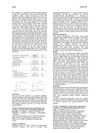
 HPV infection is linked to better survival in advanced anal cancer, higher radiation doses improve survival, especially in HPV-negative patients, and prostaglandin E₂ pretreatment can protect mouse hair follicles from radiation damage.
 October 2024 in “SPIRE - Sciences Po Institutional REpository”
 This study highlights that human hair follicle dermal papilla cells and glypicans play crucial roles in regulating hair follicle stem cell differentiation.
19 citations
,
January 2019 in “Animals” This study suggests that PDGFA and BMP2 play a role in the hair follicle cycle in cashmere goats, with PDGFA particularly involved in activating the growth phase.
 June 2025 in “Medical alphabet”
 This study found that the manual hair transplantation method HFE may offer better precision and cosmetically satisfying results with minimal tissue trauma for treating androgenetic alopecia in men.