6 citations
,
October 2024 in “Frontiers in Bioengineering and Biotechnology” This study reported that the use of composite RGDmix hydrogel improved the survival and proliferation of human amniotic mesenchymal stem cells and increased growth factor expression, enhancing wound healing through the RGDSP/integrin αv/PI3K/AKT signaling pathway.
In this study, rhKGF2 significantly promoted hair regeneration and enhanced the formation and maturation of hair follicles in experimental bald rats, suggesting potential clinical application.
 2 citations
,
January 2022 in “Experimental Dermatology”
2 citations
,
January 2022 in “Experimental Dermatology” This paper proposes that GDNF signaling may enhance skin regeneration and hair follicle formation by influencing dermal fibroblast differentiation, particularly following injury.
39 citations
,
May 2002 in “Oral Microbiology and Immunology” In this study, dihydrotestosterone increased proliferation and decreased IL-6 production in in-vitro fibroblasts from hereditary gingival fibromatosis and normal gingiva, effects partially reversed by anti-androgens.
60 citations
,
April 2003 in “Biomaterials” This study found that the controlled release of specific growth factors from biodegradable hydrogels significantly enhanced hair follicle growth and hair shaft length in mice compared to growth factors in solution.
1 citations
,
May 2022 in “International journal of molecular sciences” This study found that in Hutchinson–Gilford progeria syndrome, iPSCs committed to the keratinocyte lineage faster than normal cells, with LEF1 expression reduced and a partial rescue of the phenotype achieved through adenine base editing.
5 citations
,
November 2020 in “Dermatologic Therapy” This study found that a mutant form of the FGF5s protein, FGF5sC93S, significantly increased hair count after 24 weeks of application on human scalps, suggesting its potential as a hair growth treatment.
44 citations
,
April 2013 in “Proceedings of the National Academy of Sciences of the United States of America” This study found a significant association between reduced FGF13 levels and X-linked congenital generalized hypertrichosis, suggesting FGF13's potential role in hair follicle growth and the hair cycle.
143 citations
,
January 2012 in “Cell and Tissue Research”  12 citations
,
April 2019 in “Scientific Reports”
12 citations
,
April 2019 in “Scientific Reports” This study found that HMGB1 enhanced hair growth by stimulating PGE2 production in human dermal papilla cells, suggesting a potential therapeutic target for alopecia treatment.
3 citations
,
December 2025 in “Biomaterials Research” In this study, researchers developed a new hydrogel incorporating fibroblast growth factor 21 that improved wound healing in diabetic mice by reducing inflammation and enhancing skin repair, suggesting strong potential for future clinical application in diabetic wound management.
March 2026 in “Journal of Cosmetic Dermatology” Keratinocyte Growth Factor-Hair Serum may help prevent hair loss during chemotherapy, but more research is needed.
46 citations
,
June 2013 in “Journal of structural biology” This study suggests that the mechanical robustness of hair may be enhanced by the binding interactions of keratin-associated proteins, particularly KAP8.1, with intermediate filament proteins.
37 citations
,
August 2011 in “Journal of Bone and Mineral Research” This study reported a case of hereditary vitamin D–resistant rickets caused by a single heterozygous missense mutation in the VDR gene, showing dominant-negative effects and reduced response to 1,25-dihydroxyvitamin D3.

This study demonstrated that cryogelation of human hair keratin allows the development of 3D scaffolds with tunable properties, supporting cell adhesion and proliferation for potential biomedical applications.
 April 2023 in “Dermatologic surgery”
 This study found that using histidine-tryptophan-ketoglutarate solution with adenosine triphosphate and deferoxamine for hair graft preservation significantly reduced postsurgical shedding compared to Ringer solution, enhancing patient satisfaction.

This study found that injecting growth factor concentrates into the scalp of five patients with androgenic alopecia led to notable improvements in hair density and quality over eight weeks, with patients reporting satisfaction and minimal side effects.
 2 citations
,
May 2022 in “Research Square (Research Square)”
2 citations
,
May 2022 in “Research Square (Research Square)” This study demonstrates that the amino-terminally shortened KGF-1 variant with 135 residues maintains biological activity, suggesting it may serve as an alternative to the original KGF-1 for certain therapeutic applications.
7 citations
,
March 2017 in “Experimental and Therapeutic Medicine” This study found that human hair follicle-derived mesenchymal stem cells effectively maintained human embryonic stem cells in an undifferentiated state, comparable to mouse embryonic fibroblasts under standard conditions.
January 2021 in “Faculty Opinions – Post-Publication Peer Review of the Biomedical Literature” This study found that GDNF promotes hair formation and wound repair in mice by enhancing the function of bulge stem cells.
32 citations
,
July 2017 in “Oncotarget” This study found that intermittent treatment with FTI lonafarnib and sulforaphane may be a promising therapeutic approach for children with Hutchinson-Gilford progeria syndrome, as it improved the cellular phenotype.
 June 2005 in “Key Engineering Materials”
 This study found that biodegradable hydrogels loaded with various growth factors significantly enhanced hair follicle growth and blood vessel formation in mice, demonstrating a positive effect on their hair growth cycle.
 139 citations
,
December 1998 in “The journal of investigative dermatology/Journal of investigative dermatology”
139 citations
,
December 1998 in “The journal of investigative dermatology/Journal of investigative dermatology” This study identified a new type II cytokeratin, named K6hf, exclusively expressed in the companion layer of the human hair follicle, distinguishing it from other keratins and suggesting a unique biochemical role.
265 citations
,
March 1993 in “The EMBO Journal” Keratinocyte growth factor significantly alters skin and tissue development.
5 citations
,
May 2023 in “Microbial Cell Factories” This study found that a newly produced version of KGF-1 with 135 residues maintained biological activity and could serve as an alternative to the standard 140-residue KGF-1.
 September 2016 in “Journal of Dermatological Science”
 This study reports a case of GGCX syndrome in a 55-year-old Japanese male, characterized by PXE-like symptoms and coagulation deficiency, with an unreported phenotype of possible spinocerebellar degeneration.
April 2023 in “Journal of Investigative Dermatology” In this study, researchers developed a mouse model of scarring alopecia and observed significant reductions in CD200R expression in affected skin, potentially linking this signaling pathway to immune attacks on hair follicles and suggesting new treatment targets for scarring hair loss.
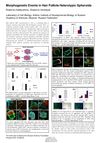
This study found that hyaluronic acid increased the size of hair follicle germ-like aggregates and the number of proliferative cells but did not maintain specific markers during the process.
 June 2023 in “GSC Advanced Research and Reviews”
 This review covers the history, symptoms, and treatment progress for Hutchinson-Gilford Progeria Syndrome, noting that while no cure exists, understanding its molecular mechanism may improve future treatment strategies.
2 citations
,
February 2022 in “bioRxiv (Cold Spring Harbor Laboratory)” In this study, researchers found that correcting the HGPS mutation with Adenine base editing partially rescued accelerated skin cell differentiation and reduced cell death in patient-derived stem cells.