December 2009 in “생명과학회지” This study found that thymosin β4 is highly expressed in multiple human tissues and may play a role in organ function and angiogenesis through co-localization with VEGF.
 January 2019 in “The Review of Laser Engineering”
 This study observed that multiphoton excitation microscopy revealed changes in vascular structure and hair papillae in mice subcutaneous tissue following cyclophosphamide treatment for chemotherapy-induced alopecia.
 226 citations
,
January 2002 in “Biological and Pharmaceutical Bulletin”
226 citations
,
January 2002 in “Biological and Pharmaceutical Bulletin” This study developed a rapid method to extract proteins from human hair, revealing phosphorylation on serine and threonine residues in alpha-keratins and matrix proteins.
 17 citations
,
January 2009 in “Nippon Ishinkin Gakkai Zasshi”
17 citations
,
January 2009 in “Nippon Ishinkin Gakkai Zasshi” This case report details a 10-year-old boy diagnosed with kerion celsi caused by Microsporum gypseum, successfully treated with itraconazole over 4.5 months.
 9 citations
,
January 2011 in “EXPERIMENTAL ANIMALS”
9 citations
,
January 2011 in “EXPERIMENTAL ANIMALS” This study describes a novel hairless mutant rat strain, F344-Hr(krh), developed via ENU mutagenesis, which provides a model for skin disease and potentially focal glomerulosclerosis due to specific genetic mutations.
 7 citations
,
January 2003 in “Nippon Ishinkin Gakkai Zasshi”
7 citations
,
January 2003 in “Nippon Ishinkin Gakkai Zasshi” This case report from Japan detailed a 10-year-old girl with alopecia successfully treated with daily terbinafine, identifying Trichophyton tonsurans as the causative fungus.
 7 citations
,
January 1990 in “Eisei kagaku”
7 citations
,
January 1990 in “Eisei kagaku” This study suggests that analyzing hair care product components left on hair using GC and GC-MS may provide a more objective forensic comparison than morphological examination.
 6 citations
,
December 2020 in “Biological & Pharmaceutical Bulletin”
6 citations
,
December 2020 in “Biological & Pharmaceutical Bulletin” This study found that certain fatty acids and triterpenoid-glycosides from Eclipta prostrata L. leaves exhibit potent inhibitory effects on the protein tyrosine phosphatase 1B enzyme, suggesting potential anti-diabetic and anti-obesity benefits.
6 citations
,
January 2013 in “Korean Journal of Pharmacognosy” Wheat bran can boost hair growth by affecting cell cycle proteins and signaling pathways.
 3 citations
,
January 2008 in “Endocrine journal”
3 citations
,
January 2008 in “Endocrine journal” In this case report, the authors describe a partial androgen insensitivity syndrome patient with a novel AR gene mutation, highlighting challenges in gender assignment decisions for infants with partial AIS.
 2 citations
,
October 2022 in “Jikken Dobutsu”
2 citations
,
October 2022 in “Jikken Dobutsu” This study found that Philippines stingless bee propolis extract promotes hair growth in mice by activating the Wnt/β-catenin signaling pathway and stimulating hair follicle development.
 2 citations
,
January 2000 in “Journal of Toxicologic Pathology”
2 citations
,
January 2000 in “Journal of Toxicologic Pathology” This study identified a single autosomal recessive gene responsible for hypotrichosis in a mutant rabbit strain, affecting hair growth and causing epidermal and hair follicle abnormalities.
 2 citations
,
January 1997 in “Journal of Clinical Biochemistry and Nutrition”
2 citations
,
January 1997 in “Journal of Clinical Biochemistry and Nutrition” This study found that germ-free mice on a biotin-deficient diet exhibited significant weight loss and severe alopecia, unlike conventional mice on the same diet.
 2 citations
,
January 1994 in “Journal of S C C J”
2 citations
,
January 1994 in “Journal of S C C J” This study found that objective measurements of hair growth, such as hair growth rate and diameter, can provide a more accurate evaluation of androgenic alopecia than subjective grading alone.
2 citations
,
January 1989 in “The Nishinihon Journal of Dermatology” This study found that seborrheic keratosis lesions contain high levels of hair sheath keratin, suggesting they may originate from the upper hair follicle.
2 citations
,
January 1973 in “ACTA HISTOCHEMICA ET CYTOCHEMICA” In this study, the brown skin of guinea pigs exhibited higher levels of certain biochemical markers related to melanogenesis compared to black and white skin, with distinct differences in ascorbic acid utilization and protein concentrations observed between regions.
 1 citations
,
January 2017 in “Tohoku journal of experimental medicine”
1 citations
,
January 2017 in “Tohoku journal of experimental medicine” This study reports the first case of ovarian mature cystic teratoma linked to clinical virilization due to ectopic testosterone production, possibly from overexpression of the enzyme HSD17B5.
1 citations
,
April 2014 in “Journal of the Korean Society of Food Science and Nutrition” This study found that unripe Rubus occidentalis extracts may inhibit benign prostatic hyperplasia development in a rat model by reducing prostate weight and androgen-related gene expression.
1 citations
,
January 2013 in “Asian Journal of Beauty and Cosmetology” This study found that wheat sprout extract promoted hair growth in female C57BL/6 mice, suggesting its potential application in hair remedy products.
 1 citations
,
January 2012 in “Journal of Toxicologic Pathology”
1 citations
,
January 2012 in “Journal of Toxicologic Pathology” This case report describes a hybrid cyst in a Sprague-Dawley rat, showing both infundibular and matrical differentiation similar to different parts of normal hair follicles.
December 2024 in “Institutional Repositories DataBase (IRDB)” In this study, the authors found that the shoulder guard hair of captive sika deer most accurately reflects dietary information during winter coat growth, useful for analyzing wild deer hair samples.
 January 2022 in “Yonago Acta Medica”
 This case report describes a Japanese woman with unilateral steroid-induced rosacea-like dermatitis attributed to long-term topical corticosteroid use, highlighting the significance of appropriate steroid application and histopathological evaluation for facial erythematous nodules.
August 2015 in “대한피부미용학회지” This study observed that zinc sulfate improved hair growth in a mouse model of alopecia, suggesting potential as a therapeutic agent, though less effective than minoxidil.
 January 2014 in “Progress of Digestive Endoscopy”
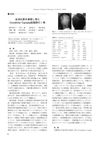
 This case report describes a 60-year-old woman with Cronkhite-Canada syndrome whose symptoms and polyposis improved following prednisolone therapy, but emphasizes the need for periodic digestive tract screening due to associated cancer risks.
December 2013 in “대한피부미용학회지” In this study, wheat sprout extract (fr. 5) application was associated with increased hair growth in C57BL/6 mice, suggesting its potential as a hair remedy product.
 January 2011 in “Web journal anti-aging medicine/Anti-aging medicine”
 In this study, kamishoyosangoshimotsuto extract improved skin moisture, texture, and brightness, as well as hair thickness and strength in women with skin and scalp hair problems over 24 weeks.
January 1993 in “Nihon Chikusan Gakkaiho” This research found that a monoclonal antibody (MAb 17) specifically reacts with certain subunits of trichocyte keratin in rats, and discovered that trichocyte keratin expression in hair and whiskers begins at different embryonic stages.
 January 1988 in “Nosotchu”
 This study observed a significant correlation between brain blood flow and hair magnesium and calcium levels in healthy elderly individuals, but no association between hair minerals and intelligence levels.
20 citations
,
August 2005 in “The Journal of laboratory and clinical medicine” In this study, researchers observed that epidermal damage may increase susceptibility to Bacillus anthracis infection, allowing it access through hair follicles and the denuded dermis in mice.
 April 2026 in “Experimental & Molecular Medicine”
 This study used integrated single-cell chromatin and transcriptomic analyses in developing mouse skin to uncover gene networks involved in skin lineage specification and identified Mef2c+ upper fibroblasts as potential precursors to certain muscle-like structures, with cross-species findings in human skin.