8 citations
,
March 2023 in “International Wound Journal” The researchers reported that several m6A-related genes, particularly IGF2BP3, were differentially expressed in keloid tissue compared to normal skin, indicating potential targets for understanding keloid pathogenesis and treatment.
 5 citations
,
October 2022 in “BMC genomics”
5 citations
,
October 2022 in “BMC genomics” In this study, researchers identified key miRNAs and target genes involved in hair follicle development in Merino sheep, providing insights that could aid in improving sheep breeding for wool quality.
4 citations
,
June 2021 in “Frontiers in Pharmacology” This study found that injecting bone marrow-derived mesenchymal stem cells and conditioned medium into mice promoted hair follicle stem cell proliferation and transition to active growth phases, suggesting potential clinical targets for hair loss treatment.
 3 citations
,
February 2022 in “Frontiers in Genetics”
3 citations
,
February 2022 in “Frontiers in Genetics” This study found that overexpression of the lncRNA AC010789.1 in hair follicle stem cells may suppress androgen alopecia progression by modulating several molecular pathways, suggesting a potential new treatment strategy.
2 citations
,
December 2024 in “BMC Genomics” In this study, researchers used transcriptome sequencing and bioinformatics analysis to identify important genes and pathways involved in the transition between hair growth phases, offering new insights into hair follicle cycle regulation and development.
1 citations
,
December 2024 in “BMC Genomics” This study used transcriptome analysis to explore the genetic mechanisms behind the development and seasonal variation of nuptial pads in R. chensinensis, identifying key genes and processes that suggest the pads' development involves complex regulatory pathways, particularly those related to cell cycle and hormone synthesis.
1 citations
,
November 2024 in “Orphanet Journal of Rare Diseases” Changes in genes FGA, VWF, and ACTG1 may contribute to pemphigus vulgaris.

In this study, researchers performed a genome-wide characterization of the Wnt gene family in domestic donkeys, identifying 19 genes and highlighting their evolutionary conservation among mammals, along with tissue-specific expression patterns potentially linked to reproductive regulation and tissue homeostasis.
 January 2025 in “Frontiers in Cell and Developmental Biology”
 This study explored the molecular mechanisms determining the identity of keratinocytes and corneal epithelial cells, finding that miRNAs from the Gtl2-Dio3 region, which regulate key signaling pathways, play a significant role in cell identity through the Hox/Gtl2-Dio3 miRNA axis.
This study used whole-genome resequencing to analyze genetic diversity and selection in 17 rabbit breeds, identifying genes linked to traits like coat color and body size, which could inform breeding and conservation efforts.
 June 2023 in “Frontiers in Medicine”
 This study identified core genes and pathways involved in androgenetic alopecia, finding that genes related to hair follicle development are down-regulated, while those linked to immune responses are up-regulated, highlighting potential therapeutic targets.
This study found significant differences in mRNA and miRNA expression between yak dermal papilla cells and epidermal hair matrix cells, suggesting important roles for these molecules in hair follicle development.
 6 citations
,
May 2022 in “Frontiers in physiology”
6 citations
,
May 2022 in “Frontiers in physiology” This study suggests that an in ovo injection of CHIR-99021 promoted feather growth and follicle development in goose embryos by activating the Wnt signaling pathway.
 4 citations
,
December 2021 in “Journal of Pharmacopuncture”
4 citations
,
December 2021 in “Journal of Pharmacopuncture” This study reports that the microneedle therapy system has demonstrated significant effects on acne, acne scars, and hair loss treatment without serious side effects in Korean studies over the past decade.
 July 2026 in “Veterinary Sciences”
 This study explored the decline in cashmere production in Inner Mongolian cashmere goats through RNA-seq analysis, finding that AKT1 expression and related signaling pathways are age-dependent, with peak AKT1 upregulation at 12 months aligning with peak cashmere production.

This study explored the molecular communication between hair matrix cells and dermal papilla cells in cashmere goats, revealing key ligand-receptor pairs and signaling pathways that facilitate intercellular crosstalk and potentially influence hair growth mechanisms.
November 2022 in “Annals of Translational Medicine” This study identified four hub genes that are closely linked to the causative factors of androgenetic alopecia, suggesting potential diagnostic and therapeutic targets.
 260 citations
,
July 2010 in “Cell”
260 citations
,
July 2010 in “Cell” This study identifies mutations in the SRD5A3 gene as a cause of a new type of congenital disorder of glycosylation, impacting mental, ophthalmologic, and cerebellar functions.
64 citations
,
January 2009 in “The International journal of developmental biology” This study found that intra-follicular Wnt signaling and dermal BMP signaling oscillate differently during hair cycling in mice, affecting hair wave propagation and phases of hair growth.
 52 citations
,
October 2012 in “Journal of Dermatological Science”
52 citations
,
October 2012 in “Journal of Dermatological Science” This review presents updated tables of mouse mutants with hair growth abnormalities to aid in understanding the molecular mechanisms of human hair disorders, but reports no new clinical results.
 34 citations
,
March 2020 in “BMC plant biology”
34 citations
,
March 2020 in “BMC plant biology” This study found that cotreatment with graphene oxide and indole-3-acetic acid significantly inhibited root development in Brassica napus, with the inhibition increasing as indole-3-acetic acid concentration rose.
23 citations
,
August 2017 in “Genome” This study identified several genes and signaling pathways, such as Wnt and MAPK, involved in fur development in Chinchilla rex rabbits, providing insights into skin and hair follicle growth.
 22 citations
,
September 2019 in “ACS omega”
22 citations
,
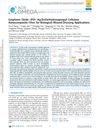
September 2019 in “ACS omega” This study found that AGO@HPC nanocomposite films demonstrated enhanced mechanical, anti-ultraviolet, and antibacterial properties, suggesting potential for use in antibacterial packaging and wound-dressing applications.
 21 citations
,
April 2014 in “PLoS ONE”
21 citations
,
April 2014 in “PLoS ONE” In this study, researchers identified a novel KRT74 gene mutation associated with autosomal recessive pure hair and nail ectodermal dysplasia in a Pakistani family, expanding the known genetic causes of the disorder.
19 citations
,
May 2016 in “Biology Direct” This study presents iSiMPRe, a method identifying protein regions enriched in mutations, revealing potential cancer-related genes and enhancing understanding of mutation effects across a wide range of cancer types.
 19 citations
,
December 2015 in “European Journal of Human Genetics”
19 citations
,
December 2015 in “European Journal of Human Genetics” This study found that a novel rare variant in ITGB6 may cause intellectual disability, alopecia, and dentogingival anomalies in a specific Pakistani family, highlighting a potential role for ITGB6 beyond enamel formation.
 19 citations
,
August 1999 in “European journal of endocrinology”
19 citations
,
August 1999 in “European journal of endocrinology” This study concluded that neither basal nor ACTH-stimulated 17-OHP concentrations effectively indicate carrier status for 21-hydroxylase deficiency among Slovenian hyperandrogenic women, recommending molecular analysis of the CYP21 gene for reliable screening.
 12 citations
,
August 2017 in “Archives of Pharmacal Research”
12 citations
,
August 2017 in “Archives of Pharmacal Research” In this study, lecithin-based microparticle formulations of minoxidil showed enhanced skin penetration and comparable hair growth effectiveness to commercial products in mice, while minimizing skin irritation often seen with standard minoxidil solutions.
11 citations
,
January 2022 in “Journal of Healthcare Engineering” In this study, PRP and Yifu combined with ultrapulsed CO2 lattice laser were found to improve sunken acne scars more effectively than laser alone, enhancing patients' quality of life and reducing adverse events, with a higher effective rate compared to the laser-only group.
 11 citations
,
February 2021 in “Biomedicines”
11 citations
,
February 2021 in “Biomedicines” This review discusses the role of hair follicle bacterial colonization in immune responses and the pathogenesis of alopecia but reports no new clinical results.