 23 citations
,
January 2016 in “Theranostics”
23 citations
,
January 2016 in “Theranostics” In this animal study, ultrasound combined with a new microbubble formulation of minoxidil increased hair growth rates and improved follicle characteristics more effectively than minoxidil alone.
 17 citations
,
May 2015 in “Nanomedicine: Nanotechnology, Biology and Medicine”
17 citations
,
May 2015 in “Nanomedicine: Nanotechnology, Biology and Medicine” This study found that lipid nanocarriers called squarticles, conjugated with an antibody, enhanced minoxidil uptake in dermal papilla cells, potentially improving alopecia treatments.
 68 citations
,
May 2015 in “Indian Journal of Dermatology”
68 citations
,
May 2015 in “Indian Journal of Dermatology” This case series found that adding microneedling to conventional finasteride and minoxidil therapy for androgenetic alopecia improved new hair growth and patient satisfaction in poor responders.
 152 citations
,
April 2012 in “Recent Patents on Inflammation & Allergy Drug Discovery”
152 citations
,
April 2012 in “Recent Patents on Inflammation & Allergy Drug Discovery” This review describes minoxidil's hair regrowth mechanism and discusses dermatological applications, but reports no new clinical results, emphasizing the need for regular use and addressing allergic reactions.
 38 citations
,
December 2011 in “Journal of Dermatology”
38 citations
,
December 2011 in “Journal of Dermatology” This article reviews current guidelines for managing androgenetic alopecia and highlights the need for guidelines tailored to Japan; it reports no new clinical results.
 91 citations
,
April 2011 in “Journal of Ethnopharmacology”
91 citations
,
April 2011 in “Journal of Ethnopharmacology” This study found that Polygonum multiflorum extract may promote hair growth by inducing the anagen phase in the resting hair follicles of mice.
 74 citations
,
June 2010 in “European Journal of Pharmaceutics and Biopharmaceutics”
74 citations
,
June 2010 in “European Journal of Pharmaceutics and Biopharmaceutics” This study found that hair follicles are a significant and efficient pathway for the absorption of topical minoxidil foam in humans, with faster blood detection when follicles are open.
 29 citations
,
July 2009 in “Journal of Dermatology”
29 citations
,
July 2009 in “Journal of Dermatology” This study confirmed that 5% topical minoxidil is more effective than 1% in increasing hair density in Japanese men with androgenetic alopecia, with no significant difference in adverse event rates.
 128 citations
,
July 2009 in “International Journal of Pharmaceutics”
128 citations
,
July 2009 in “International Journal of Pharmaceutics” This study found that penetration enhancer-containing vesicles significantly improved minoxidil delivery to the skin compared to traditional liposomes and penetration enhancer-containing ethanolic solutions, with deformability linked to enhanced deposition.
 121 citations
,
May 2009 in “Journal of Ethnopharmacology”
121 citations
,
May 2009 in “Journal of Ethnopharmacology” This study found that the methanol extract of Eclipta alba showed dose-dependent hair growth promoting activity in pigmented C57/BL6 mice by influencing the transition from the telogen to anagen phase.
 375 citations
,
February 2006 in “Journal of Cell Science”
375 citations
,
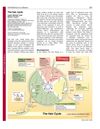
February 2006 in “Journal of Cell Science” This article reviews the stages and regulation of the hair cycle, highlighting molecular regulators involved, but it does not present new research findings.
181 citations
,
July 2004 in “Journal of controlled release” In this study, researchers found that in hairy guinea pig skin, minoxidil delivered via 40-nm nanoparticles had higher skin penetration than 130-nm nanoparticles, indicating nanoparticle size affects permeation.
 397 citations
,
February 2004 in “British Journal of Dermatology”
397 citations
,
February 2004 in “British Journal of Dermatology” This article reviews the mechanisms by which minoxidil stimulates hair growth and reports no new clinical findings.
 123 citations
,
February 2002 in “Journal of The American Academy of Dermatology”
123 citations
,
February 2002 in “Journal of The American Academy of Dermatology” Minoxidil can cause skin allergy; use alternative solvents or treatments if allergic.