 April 2019 in “Journal of Investigative Dermatology”
 This study suggests that dietary grape powder may reduce the severity of atopic dermatitis in a mouse model, highlighting its potential in both prevention and intervention settings.
7 citations
,
March 2013 in “Annals of Hematology” Ganoderma lucidum can cause severe skin reactions and hair loss.
4 citations
,
June 2025 in “Molecules” This review evaluates traditional uses, phytochemical profiles, and pharmacological activities of Mediterranean Erica species, revealing the wide range of bioactive compounds and highlighting their antioxidant, anti-inflammatory, and antimicrobial activities. Further studies are suggested to fully understand their medicinal potential.
 November 2023 in “Journal of Basic Microbiology”
 This study explored the fungal diversity on human scalps, identifying 15 genera and 24 species from 18 scalp samples of girls, with yeast-like structures found in 33.3% of cases. Additionally, zinc oxide nanoparticles, synthesized using ginger extract, showed significant antifungal activity against specific species.
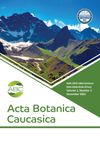 January 2022 in “Acta botanica Caucasica”
 This study evaluated herbal cosmetic products used in Turkiye, identifying 140 plant species and highlighting walnut, common nettle, and grape as popular for various traditional uses.
March 2026 in “ACS Applied Materials & Interfaces” This study introduced an innovative nanozyme system called MCP@G, which was shown to improve diabetic wound healing in rats by alleviating mitochondrial oxidative stress, enhancing fibroblast migration, and promoting blood vessel and hair follicle regeneration, offering a promising approach for treating challenging diabetic wounds.
 November 2024 in “Fermentation”
 In this study, researchers found that fermented ginsenoside from kimchi-derived bacteria enhanced hair growth in a mouse model and increased hair cell proliferation by 25% in vitro, suggesting potential as a therapeutic candidate for promoting hair growth.
 September 2024 in “Current Drug Delivery”
 This study found that Ginger-Derived Extracellular Vesicles (GDEVs) may promote hair growth and reduce inflammation in an alopecia mouse model.

This review discusses the potential use of Adiantum capillus-veneris extract for COVID-19 symptom management and reports no clinical findings, highlighting a need for trials to evaluate its efficacy.
 June 2026 in “Zenodo (CERN European Organization for Nuclear Research)”
 In this study, a herbal hair serum formulated with Phyllanthus emblica, Murraya koenigii, Eclipta alba, and Mangifera indica in sesame oil showed promising antioxidant properties and scalp protection, potentially delaying premature hair greying.
 17 citations
,
March 2020 in “Frontiers in Chemistry”
17 citations
,
March 2020 in “Frontiers in Chemistry” This study isolated new geranylated coumarins from Mammea siamensis flowers and found that several of these compounds inhibit testosterone 5α-reductase.
 1 citations
,
August 2017 in “Journal of food and nutrition research”
1 citations
,
August 2017 in “Journal of food and nutrition research” This study found that the black bean-licorice-biotae folium extract may improve hair diameter, scalp moisture, and sebum secretion, although its effect on hair density was not significant.
April 2019 in “Agriculture and natural resources”  1 citations
,
June 2021 in “Case reports in gastrointestinal medicine”
1 citations
,
June 2021 in “Case reports in gastrointestinal medicine” In this case study, a man's hair and nail symptoms, following dental treatments, resolved with mesalazine therapy after investigating suspected clindamycin allergy and diagnosing mucosal changes.
9 citations
,
October 2017 in “Frontiers in plant science” This study found that the peach gene CTG134 mediates auxin-ethylene crosstalk, affecting root hair growth and hormone-regulated processes in plants.
54 citations
,
December 2011 in “American Journal Of Pathology” This study found that immune-mediated destruction of bulge stem cells is a key factor in the alopecia observed in AE mice, suggesting it as a model for studying primary cicatricial alopecias, particularly lichen planopilaris.
 26 citations
,
April 2019 in “Journal of Cosmetic Dermatology”
26 citations
,
April 2019 in “Journal of Cosmetic Dermatology” This review discusses the potential of herbal treatments like Saw palmetto, Green tea, and Rosemary as alternatives to conventional drugs for androgenetic alopecia, noting that these herbs may inhibit the 5-alpha-reductase enzyme and reduce hair loss with fewer side effects.
 80 citations
,
April 2011 in “Plant physiology”
80 citations
,
April 2011 in “Plant physiology” This study suggests that the GPX-PDE1 and GPX-PDE2 genes in white lupin enhance root hair development and contribute to Pi limitation acclimation by facilitating glycerophosphodiester degradation.
 7 citations
,
December 2017 in “Anais da Academia Brasileira de Ciências”
7 citations
,
December 2017 in “Anais da Academia Brasileira de Ciências” This study found that 6-Gingerol significantly suppressed hair growth in mice by reducing hair follicle number and length, potentially through increased expression of MMP2 and MMP9.
July 2023 in “Belarusian State Pedagogical University repository (Belarusian State Pedagogical University)” This study found that litchi twig water and ethanol extracts exhibited protective effects against DHT-induced damage in androgenetic alopecia models, suggesting potential for use in hair growth promotion and waste reduction.
January 2023 in “Iranian Journal of Pharmaceutical Research” This study concluded that S. hexaphylla extract may improve androgenetic alopecia by reducing 5α-reductase and androgen receptor levels, inhibiting apoptosis, and promoting keratinocyte proliferation in experimental models.
119 citations
,
June 2021 in “Heliyon” This review examines the phytochemical constituents and pharmacological effects of licorice, discussing its potential health benefits and side effects without reporting new clinical results.
16 citations
,
October 2018 in “BMC Complementary and Alternative Medicine” In this animal study, the methanolic extract of Crataeva nurvala leaves was found to possess sedative and anxiolytic properties, potentially linked to GABAergic activity and certain neuroactive compounds.
 July 2024 in “Jurnal PKM Manajemen Bisnis”
 This article describes community efforts to increase awareness and effective utilization of guava plant resources in Pamulang, aiming to improve local economic welfare through better cultivation practices and innovative processing of guava for health benefits.
 January 2026 in “Frontiers in Medicine”
 In this study, PP-PTKL exhibited antioxidant, anti-inflammatory, and pro-melanogenic effects in laboratory settings, suggesting its potential role in preventing or treating hair greying. Further animal and human studies are needed to verify these findings.
January 2010 in “World Journal of Integrated Traditional and Western Medicine” This study found that after 12 months, the combination of shengfa tincture and dangui kushen pills was more effective and had fewer adverse effects for treating androgenetic alopecia compared to shengfa tincture alone.
 January 2025 in “Current Issues in Molecular Biology”
 This study explored the anti-hair loss potential of plant extracts like licorice, salvia miltiorrhiza, and others, finding they increased ALP and β-catenin expression and reduced TGF-β1 and IL-6 in human dermal papilla cells without cytotoxicity.
 August 2023 in “Gadua Journal of Pure and Allied Science”
 This study on diabetic rats reported that Ziziphus spina-christi ethanol leaf extract significantly reduced blood glucose levels and improved liver and kidney function, suggesting possible benefits in managing diabetes symptoms in this animal model.
 3 citations
,
August 2018 in “Deleted Journal”
3 citations
,
August 2018 in “Deleted Journal” This study found that Guasha therapy did not significantly alter nerve fiber morphology or the expression of CGRP and SP in rat skin, with parameters generally returning to normal within five days.