 March 2023 in “Chemical biology & drug design”
 This study found that 8% Panax notoginseng saponins may promote hair follicle growth in C57BL/6J mice, potentially through the Wnt/β-catenin signaling pathway.
 July 2026 in “Zenodo (CERN European Organization for Nuclear Research)”
 The researchers developed a hair serum using rosemary essential oil and ficus bengalensis aerial roots, and successfully evaluated its viscosity, pH, and color.
 4 citations
,
February 2017 in “Journal of Cutaneous Medicine and Surgery”
4 citations
,
February 2017 in “Journal of Cutaneous Medicine and Surgery” This study assessed the dermatologic potential of western red cedar, white spruce, birch, balsam poplar, and black spruce used in First Nations medicine, highlighting several active compounds relevant to dermatology, but noted a lack of high-quality evidence in existing research.
3 citations
,
February 2023 in “Journal of Experimental Pharmacology” This study found that LHE may prevent and reverse testosterone-induced prostatic hyperplasia, supporting the traditional use of Kigelia africana for some reproductive system disorders.
 108 citations
,
November 2006 in “Phytomedicine”
108 citations
,
November 2006 in “Phytomedicine” This study found that EGCG from green tea may stimulate human hair growth by promoting the proliferation and anti-apoptotic activity in dermal papilla cells.
 March 2026 in “Molecules”
 This review reports that Dang Gui (Radix Angelica sinensis) possesses bidirectional immunoregulatory effects, enhancing immune cell proliferation and function, and may benefit immune-related diseases such as cancer and anemia. It also evaluates regulatory and safety aspects, aiming to guide future research and clinical use.
September 2025 in “International Journal of Molecular Sciences” This review examined the potential effects of Kampo medicine Hangeshashinto on oral mucositis, highlighting that several natural products in its composition may inhibit intracellular AGEs, reduce inflammation from extracellular AGEs, and suppress cytotoxicity in stomatitis.
 February 2020 in “The Pharmaceutical Society of Japan”
 The Echigo Shirayki Mushroom may help with hair growth.
 January 2011 in “Web journal anti-aging medicine/Anti-aging medicine”
 In this study, kamishoyosangoshimotsuto extract improved skin moisture, texture, and brightness, as well as hair thickness and strength in women with skin and scalp hair problems over 24 weeks.
January 2008 in “Guangzhou Zhongyiyao Daxue xuebao” This study found that ginger-partitioned moxibustion combined with Shengfa Decoction was more effective for alopecia areata than Shengfa Decoction alone.
 December 2023 in “International Journal of Advanced Research in Science, Communication and Technology”
 The article reviews various medicinal properties of Semecarpus anacardium Linn., highlighting its traditional use for different diseases and noting its potential benefits as antiatherogenic, anti-inflammatory, antioxidant, antimicrobial, and hypoglycemic, among others.
 15 citations
,
January 1998 in “Journal of Clinical Periodontology”
15 citations
,
January 1998 in “Journal of Clinical Periodontology” Finasteride helps treat hair loss by blocking enzyme activity.
This article reviews the potential benefits of GHK-Cu, EAA, and water-soluble propolis for wound healing, skin tightening, and anti-aging effects, but reports no new clinical results.
1 citations
,
May 2019 in “International Journal of Applied Pharmaceutics” This study evaluated hair tonic and gel formulations containing Angiopteris evecta root water extract and found both fulfilled pharmaceutical preparation standards, with the 12.5% hair tonic and 10.0% gel concentrations most effective for hair growth without a significant difference in performance.
May 2025 in “Tropical Natural History” In this study, Zingiber junceum Gagnep. is documented for the first time as a species in Vietnam, and its micro-morphological traits and the phytochemical profiles of its various extracts are detailed, highlighting the presence of several bioactive compounds.
5 citations
,
April 2022 in “Evidence-based Complementary and Alternative Medicine” This study explored the mechanism of Shaoyao Gancao decoction in treating alopecia areata and found that it may be closely related to the PI3K/AKT signaling pathway.
 3 citations
,
September 2021 in “Journal of Food Science and Nutrition”
3 citations
,
September 2021 in “Journal of Food Science and Nutrition” This study found that red ginseng extract may stimulate hair growth in a mouse model by enhancing dermal papilla cell proliferation and activating skin antioxidant defenses.
This study concluded that Gushen Shengfa pills combined with Wuling capsules improved sleep quality and hair growth more effectively than compound glycyrrhizin and cystine tablets in patients with alopecia areata.
 50 citations
,
February 2018 in “Biomedicine & pharmacotherapy”
50 citations
,
February 2018 in “Biomedicine & pharmacotherapy” This review discusses the anticancer properties of ginseng, including its potential to alleviate chemotherapy side effects, and calls for more research on its mechanisms of action in various cancers.
2 citations
,
February 2021 in “Case reports in dermatological medicine” In this case series, the topical botanical formulation GASHEE demonstrated significant improvements in hair regrowth without adverse events among patients with hair loss, including cases where previous treatments had failed.
 July 2026 in “Functional Foods in Health and Disease”
 In this study, oral administration of strawberry guava extract promoted hair growth in both mice and humans, with active components like adenosine, fructose, digalactosyldiacylglycerol, and pedunculagin contributing by enhancing skin blood flow and activating dermal papilla cells.
 January 2025 in “Termometer Jurnal Ilmiah Ilmu Kesehatan dan Kedokteran”
 In this study, researchers tested a tea leaf ethanol extract (Camellia sinensis) hair tonic and found it increased average hair growth compared to positive and negative controls over 28 days, but exhibited some instability and inhomogeneity after accelerated testing.
This study found that GPC1 plays a crucial role in regulating angiogenesis in human dermal microvascular endothelial cells, which may make it a potential target in alopecia treatment research.
 March 2026 in “Journal of Hunan University Natural Sciences”
 This study evaluated the antimicrobial activity of Albizia saponaria stem bark against microorganisms causing dandruff and fungal alopecia. It found that the hexane fraction exhibited potent antifungal effects comparable to ketoconazole, highlighting its potential as a natural therapeutic for dandruff.
 August 2021 in “Majalah Obat Tradisional”
 This study found that a hair tonic formulated from green tea extract showed similar hair growth-promoting activity to 2% Minoxidil in rabbits, without causing skin irritation or bacterial contamination.
 December 2022 in “Journal of applied biological chemistry”
 In this study, Betula platyphylla extract, particularly fraction H3-2, promoted human derma papilla cell proliferation and increased expression of certain growth factors, suggesting potential benefits for hair loss prevention.
 January 2010 in “Actas Dermo-Sifiliográficas”
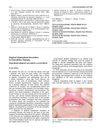
 A woman developed thick gums from everolimus treatment after a kidney transplant.

In this study, the combination of binahong leaf and lemongrass extracts was found to effectively inhibit the growth of the dandruff-causing fungus Pityrosporum ovale, with the strongest fungal growth inhibition observed at a 50% concentration of each extract.
 49 citations
,
November 2014 in “Journal of Medicinal Food”
49 citations
,
November 2014 in “Journal of Medicinal Food” In this study, red ginseng extract and its ginsenosides enhanced human hair follicle cell proliferation and countered dihydrotestosterone-induced suppression, suggesting potential to promote hair growth.
 26 citations
,
January 2016 in “Annals of Dermatology”
26 citations
,
January 2016 in “Annals of Dermatology” This study found that Ecklonia cava polyphenols increased human dermal papilla cell proliferation and extended hair shaft length in vitro and ex vivo, suggesting potential as a therapeutic candidate for hair loss.