19 citations
,
November 1979 in “Archives of dermatology” This case report discusses the potential use of topical tretinoin for treating Fox-Fordyce disease, but provides no new clinical results.
 37 citations
,
April 2019 in “Journal of The American Academy of Dermatology”
37 citations
,
April 2019 in “Journal of The American Academy of Dermatology” This review assessed the effectiveness of various treatments for frontal fibrosing alopecia and found that intralesional steroids and 5α-reductase inhibitors showed the most positive outcomes in slowing or halting hair loss, though the lack of placebo-controlled studies and consistent outcome measures limits definitive conclusions.
 36 citations
,
December 2017 in “Journal of the American Academy of Dermatology”
36 citations
,
December 2017 in “Journal of the American Academy of Dermatology” This study observed that 70.7% of patients with frontal fibrosing alopecia stabilized with treatment, and patients using 0.3% tacrolimus were more likely to stabilize in 3 months compared to other treatments.
In this randomized clinical trial, the use of Cellcurin serum for 12 weeks was associated with a significant increase in hair density and terminal hair thickness in individuals with androgenetic alopecia.
 2 citations
,
April 2017 in “Actas Dermo-Sifiliográficas”
2 citations
,
April 2017 in “Actas Dermo-Sifiliográficas” This review discusses the etiology, pathogenesis, clinical presentation, and treatment of frontal fibrosing alopecia, noting the lack of clinical trial data and limited observational treatment results.
 14 citations
,
April 2019 in “International Journal of Women's Health”
14 citations
,
April 2019 in “International Journal of Women's Health” This review highlights current treatment options for frontal fibrosing alopecia, noting that 5-α-reductase inhibitors, intralesional steroids, and hydroxychloroquine have the highest evidence of effectiveness, while other therapies show variable results and need further research.
18 citations
,
June 2004 in “Mycoses” This case study describes effective treatment of local alopecia caused by Trichophyton schoenleinii in two patients, using griseofulvin and ciclopirox cream, respectively.
 May 2011 in “Dermatología argentina”
 In this case report, a female patient with frontal fibrosing alopecia and lichen scleroatrophicus vulvae experienced excellent results from hair microtransplants combined with finasteride and topical minoxidil, maintained over six years.
2 citations
,
January 2019 in “Skin appendage disorders” This article reports a case of frontal fibrosing alopecia in its early inflammatory stage that responded positively to intralesional steroid treatment.
 11 citations
,
January 2007 in “Veterinary dermatology”
11 citations
,
January 2007 in “Veterinary dermatology” This study found that administerating 10 mg/kg intramuscular fulvestrant did not stimulate hair regrowth in Pomeranian dogs with alopecia X, though higher doses may warrant further investigation.
September 2023 in “Journal of the American Academy of Dermatology” This study found that in participants with notalgia paresthetica, 8 weeks of treatment with difelikefalin significantly improved itch intensity and increased the rate of strict complete response compared to placebo, starting as early as week 3.
 June 2026 in “International Journal of Ayurvedic Medicine (Hyderabad)”
 This study found that Facia Men’s capsule significantly reduced hair shedding in men with androgenetic alopecia over 12 weeks, without notable renal or liver safety concerns.
February 1968 in “PubMed” This abstract explores the roles of dermal fibroblasts and keratinocytes in hair follicle neogenesis and regeneration but does not present new experimental results; it suggests more study is needed on the dermal sheath.
 8 citations
,
September 2011 in “European Journal of Dermatology”
8 citations
,
September 2011 in “European Journal of Dermatology” This study reports that most cases of frontal fibrosing alopecia did not show significant improvement with available treatments, and effective management remains unproven.
 1 citations
,
October 2008 in “Expert Review of Dermatology”
1 citations
,
October 2008 in “Expert Review of Dermatology” This review discusses frontal fibrosing alopecia, noting its frequent misdiagnosis and highlighting the need for larger studies to better understand its epidemiology, causes, and treatment options; it reports no new clinical findings.
2 citations
,
October 2015 in “Mikrobiyoloji bülteni” This case report describes a 20-year-old female with favus caused by T. schöenleinii, which initially improved with antifungal treatment but recurred due to poor adherence, underscoring favus as an ongoing health issue in Turkey.
8 citations
,
July 2020 in “Dermatologic Therapy” Tofacitinib may effectively treat folliculitis decalvans.
 33 citations
,
January 2015 in “Journal of Cosmetic Dermatology”
33 citations
,
January 2015 in “Journal of Cosmetic Dermatology” This study reports that familial frontal fibrosing alopecia was diagnosed earlier in premenopausal women compared to postmenopausal women, though long-term outcomes remain uncertain without a definitive treatment.
5 citations
,
November 2020 in “Dermatologic Therapy” This study found that a mutant form of the FGF5s protein, FGF5sC93S, significantly increased hair count after 24 weeks of application on human scalps, suggesting its potential as a hair growth treatment.
 January 2015 in “Hair transplant forum international”
 This snippet mentions an increase in women seeking surgical hair restoration and subsequently encountering more cases of frontal fibrosing alopecia, but the abstract doesn't contain results or conclusions.
9 citations
,
April 2006 in “International Journal of Dermatology” This article reviews the potential for α-difluoromethylornithine to help control hair growth and prevent cancer, but it does not present new clinical results.
 January 2018 in “Hair transplant forum international”
 This article discusses a novel multi-targeting approach to treating hair loss using standardized nutraceuticals but reports no new clinical results.
May 2015 in “Cancer research” This study found that persistent significant alopecia was a common side effect following FEC-docetaxel chemotherapy, with a 33.4% global incidence, highlighting the need for awareness and potential preventative measures like cooling caps during treatment.
 September 2023 in “Journal of the American Academy of Dermatology”
 Topical tofacitinib helped a man with severe scalp condition after other treatments failed.
159 citations
,
August 2010 in “British journal of dermatology/British journal of dermatology, Supplement” In this study, hydroxychloroquine significantly reduced signs and symptoms of frontal fibrosing alopecia after 6 months of treatment, with maximal benefits observed within the first 6 months.
January 2016 in “Indian dermatology online journal” This case report describes a 50-year-old woman with frontal fibrosing alopecia who showed no improvement despite multiple treatments, including intralesional triamcinolone and topical glucocorticoids.
 22 citations
,
March 1963 in “Archives of dermatology”
22 citations
,
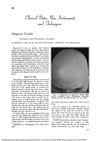
March 1963 in “Archives of dermatology” This case report describes hair regrowth in a patient with alopecia totalis using fluocinolone acetonide cream applied under thin plastic films.
 27 citations
,
January 2001 in “Endocrine Practice”
27 citations
,
January 2001 in “Endocrine Practice” In this preliminary study, women with facial hirsutism treated with topically applied finasteride cream showed a significant decrease in hair growth and thickness compared to placebo, without adverse effects.
125 citations
,
February 2007 in “Journal of the American Academy of Dermatology” This study found that adding topical eflornithine to laser hair removal significantly improved the reduction of unwanted facial hair in women over a 6-month period, compared to laser treatment alone.
 6 citations
,
November 2007 in “British Journal of Dermatology”
6 citations
,
November 2007 in “British Journal of Dermatology” This study found that topical fulvestrant did not significantly improve hair growth parameters in men and postmenopausal women with androgenetic alopecia, unlike minoxidil, which was more effective in men.