May 2011 in “Journal of Clinical Neuroscience” This article discusses a case of Vogt-Koyanagi-Harada disease, detailing symptoms, diagnostic features, and treatment with corticosteroids, but it reports no new clinical findings.
4 citations
,
November 2020 in “Acta Dermato Venereologica” In this study, patients with specific skin and scalp conditions, including eczematous lesions, showed significant improvement after two weeks of oral tofacitinib treatment, as evidenced by changes in the trunk lesions.
 17 citations
,
August 2012 in “Journal of Medical Genetics”
17 citations
,
August 2012 in “Journal of Medical Genetics” This article reviews the genetic mutations associated with hypohidrotic ectodermal dysplasia and reports no new clinical results; the authors highlight the roles of EDA gene isoforms and related receptors.
 1 citations
,
September 2021 in “Physiology News”
1 citations
,
September 2021 in “Physiology News” The abstract contains only graphic design specifications and reports no new research findings.
 January 2025 in “JCEM Case Reports”
 This report describes a 27-year-old patient with Ehler-Danlos syndrome who also presented with hypophosphatasia and mastocytosis, and suggests enzyme replacement therapy might alleviate symptoms in such overlapping genetic conditions.
28 citations
,
June 2020 in “ACS Biomaterials Science & Engineering” This study found that a novel ECM patch combining human fibroblast-derived matrix and PVA hydrogel, seeded with human mesenchymal stem cells, significantly improved wound healing and tissue regeneration in a mouse model.
 19 citations
,
June 2008 in “Journal of Investigative Dermatology”
19 citations
,
June 2008 in “Journal of Investigative Dermatology” This study found that transgenic mice with expression of HPV16 E6/E7 oncogenes showed improved ear tissue regeneration, including hair follicles and cartilage, without tumor formation.
9 citations
,
July 2024 in “JAAD reviews.” This review discusses the role of extracellular vesicles in dermatology for therapeutic, diagnostic, and prognostic purposes, highlighting the lack of validated findings and the necessity for more rigorous clinical trials.
January 2022 in “Aesthetic surgery journal” This study found that injections of extracellular vesicles derived from mesenchymal stem cells improved hair growth in over 50% of female and nearly 80% of male patients after six months.
14 citations
,
July 2022 in “Applied Sciences” This review discusses the potential of extracellular vesicles as cell-free tools in tissue engineering and regenerative medicine, noting their emerging role in promoting tissue repair without the risk of host rejection.
20 citations
,
December 2019 in “International Journal of Molecular Sciences” This study found that preconditioning adipose-derived stem cells with HB-EGF enhanced their ability to promote hair growth in vivo by increasing their motility, paracrine effects, and survival.
 3 citations
,
January 2008 in “Journal of the American Academy of Dermatology”
3 citations
,
January 2008 in “Journal of the American Academy of Dermatology” A patient's skin rash did not affect the area where a previous viral rash was healing, suggesting a rare immune response.
 7 citations
,
March 2018 in “Journal of The American Academy of Dermatology”
7 citations
,
March 2018 in “Journal of The American Academy of Dermatology” This study found that pediatric HSCT recipients, especially those with chronic graft-versus-host disease, are at risk for developing various nonmalignant late cutaneous changes such as vitiligo, psoriasis, alopecia, and nail changes.
 25 citations
,
December 1995 in “Neurology”
25 citations
,
December 1995 in “Neurology” This study observed that in varicella, the varicella-zoster virus spreads to dermal endothelial cells before reaching keratinocytes, whereas in herpes zoster, it first involves cutaneous nerves and pilosebaceous units.
6 citations
,
December 2022 in “International Journal of Molecular Sciences” This study revealed that deleting EZH2 in mesenchyme-derived cells of the female reproductive tract led to impaired uterine gland development and pregnancy loss in mice, highlighting EZH2's crucial role in fertility.
54 citations
,
October 2022 in “Cells” This review discusses the therapeutic potential of mesenchymal stem cell-derived extracellular vesicles and modern technologies like 3D bioprinting but reports no new clinical results.
8 citations
,
August 2022 in “BMC Veterinary Research” This study found that C57BL/6 mice and Sprague–Dawley rats show distinct distributions of eccrine sweat glands and hair follicles in their volar skin, suggesting these models should be selected according to research focus on skin appendages.
1 citations
,
July 2024 in “Nanomedicine” This study demonstrated that EVs from pluripotent stem cell-derived mesenchymal stem cells improved recovery and function in ischemic lower limbs by enhancing angiogenesis through the ERK/MAPK signaling pathway.
3 citations
,
September 2025 in “Cosmetics” This review examines the potential and challenges of extracellular vesicles in cosmetics, noting their transformative impact despite regulatory and production hurdles; it reports no new experimental results.
 November 2010 in “Value in Health”
 Treating chronic hand eczema costs about the same in statutory and occupational health insurances in Germany, but work-related cases may lead to higher indirect costs due to longer work absences.
7 citations
,
January 2013 in “Indian dermatology online journal” This report describes a rare case of a three-day-old male with ichthyosis hystrix type of epidermal nevus, featuring specific skin and hair symptoms but no nail or skeletal abnormalities.
 March 1996 in “Hair transplant forum international”
 This article discusses the formation and goals of the World Association of Hair Replacement Surgeons, focusing on the exchange of advanced hair restoration surgery techniques, without presenting new research findings.
89 citations
,
April 2023 in “Forensic Science International Genetics” This review summarizes advancements in forensic DNA phenotyping for appearance, ancestry, and age prediction from crime scene samples, reporting no new research findings but highlighting areas needing further research and validation.
5 citations
,
November 2020 in “Forensic Science International Genetics” This study found that using trait prevalence-informed priors may improve the prediction accuracy of appearance traits in Bayesian models, but their application is limited by sparse knowledge on trait prevalence.
 May 2023 in “Cytotherapy”
 This study found that medium/large extracellular vesicles derived from hair follicle and adipose tissue mesenchymal stromal cells both demonstrated significant neuroprotective and anti-inflammatory effects in cell cultures, highlighting their potential use as biopharmaceuticals for treating neurodegenerative diseases.
2 citations
,
September 2025 in “International Journal of Nanomedicine” This review discusses the roles of extracellular vesicles in skin health and disease and reports no clinical results; the authors highlight potential therapeutic uses and call for more research.
 February 2025 in “International Journal of Morphology”
 In this study conducted on mouse fetuses, valproic acid was found to reduce Sonic Hedgehog expression in the skin and hair follicles, but the inclusion of vitamin E helped mitigate this effect, supporting its potential role in managing valproic acid-induced changes.
64 citations
,
January 2013 in “The journal of investigative dermatology/Journal of investigative dermatology” This study found that ectodermal precursor cells derived from human induced pluripotent stem cells may enhance hair follicle morphogenesis through improved epithelial-mesenchymal interactions when cocultured with dermal cells.
3 citations
,
April 2020 in “American Journal of Case Reports” This case report describes the first instance of juvenile hemochromatosis type 2A associated with secondary hypothyroidism, linked to a novel mutation in the HJV gene.
 6 citations
,
June 2008 in “Journal of the European Academy of Dermatology and Venereology”
6 citations
,
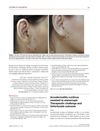
June 2008 in “Journal of the European Academy of Dermatology and Venereology” This paper discusses a case of acrodermatitis continua that was resistant to treatment with etanercept, highlighting the therapeutic challenges faced, but reports no new research results.