 1 citations
,
May 2014 in “Lipid Technology”
1 citations
,
May 2014 in “Lipid Technology” This news review reports on the latest developments in lipid technology but presents no new research findings.
 July 2023 in “International Journal of Molecular Sciences”
 This study found that N,N-dimethylglycine sodium salt promoted proliferation and migration of cultured human epidermal keratinocytes and had anti-inflammatory and antioxidant effects in vitro.
 July 2012 in “Ubaya Repository (University of Surabaya)”
 This study found that hair growth gel and tonic containing red grape seed extract were physically and chemically unstable under high temperature and humidity conditions over 30 days.
 4 citations
,
May 2014 in “PubMed”
4 citations
,
May 2014 in “PubMed” This study found that monoethanolamine-based hair color formulations caused significantly more damage to hair than ammonia-based formulations, especially at high concentrations.
 8 citations
,
August 2018 in “Drug testing and analysis”
8 citations
,
August 2018 in “Drug testing and analysis” This study observed that ethyl glucuronide (EtG) concentrations in hair decreased significantly during an abstinent period, suggesting possible wash-out effects or other factors affecting EtG levels.
66 citations
,
April 1989 in “Alcoholism Clinical and Experimental Research” This study found that the ethanol patch test effectively indicates the ALDH phenotype in healthy Japanese individuals, suggesting its usefulness for future research.
1 citations
,
January 1988 In this study, topical dehydroepiandrosterone (DHEA) doubled sebum production in women without systemic side effects, suggesting it may be a safe treatment for reduced sebum output related to menopause.
1 citations
,
March 2004 in “Patty's Toxicology” This article reviews the properties, uses, and toxic effects of eleven unsaturated halogenated hydrocarbons, highlighting the risks associated with compounds like dichloroacetylene, allyl chloride, and vinyl chloride, and reports no new experimental findings.
 January 2026 in “Zenodo (CERN European Organization for Nuclear Research)”
 This paper discusses ethosomal drug delivery systems, highlighting their improved ability to enhance skin penetration and increase therapeutic effectiveness in treatments like acyclovir for herpes labialis and minoxidil for androgenic alopecia compared to standard formulations.
 December 2023 in “ACS Sustainable Chemistry & Engineering”
 Keratin can be successfully taken from human hair using a mix of choline chloride and ethanolamine.
 12 citations
,
November 2011 in “International Journal of Dermatology”
12 citations
,
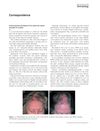
November 2011 in “International Journal of Dermatology” A woman developed a scalp condition from using minoxidil, which improved with a different treatment but left scarring.
2 citations
,
November 2024 in “International Journal of Pharmaceutics X” In this study, desmopressin-loaded elastic liposomes (ODEL1) showed improved permeation and drug deposition across rat skin by altering the skin's cohesive energies and causing reversible changes on its surface.
48 citations
,
September 2007 in “European Journal of Neuroscience” This study found that ethanol's ability to block long-term potentiation in rat hippocampal slices is influenced by neurosteroids that enhance GABA A receptor activity.
 April 2025 in “Research Square (Research Square)”
 In this chicken embryo study, E40 hemp seed callus-derived exosomes counteracted DHT-induced inhibition of hair follicle development, suggesting potential for alopecia treatment and hair follicle regeneration.
64 citations
,
January 1985 in “Clinical endocrinology” In this study, treatment with the oral contraceptive containing 30 μg ethinyl oestradiol and 150 μg desogestrel significantly reduced androgen-dependent hair growth in hirsute women over one year.
 13 citations
,
July 2019 in “Toxicology research”
13 citations
,
July 2019 in “Toxicology research” In this study, ethanamizuril was found to cause alopecia, biochemical changes, and organ damage at higher doses in rats, with a no-observed-adverse-effect level of 20 mg/kg over 30 days.
 7 citations
,
December 2020 in “Endocrine-related Cancer”
7 citations
,
December 2020 in “Endocrine-related Cancer” This article discusses the potential role of oral DHEA, available as a 'dietary supplement' in the US, in COVID-19 morbidity and mortality, calling for clinical trials to assess its safety.
 January 2026 in “Zenodo (CERN European Organization for Nuclear Research)”
 This study reports that ethosomal formulations, such as ethosomal acyclovir and minoxidil, improved therapeutic effectiveness by enhancing skin permeation, leading to faster healing of herpes labialis lesions and increased skin absorption compared to standard formulations.
5 citations
,
January 2007 in “Immunopharmacology and Immunotoxicology” This study found that 17beta-estradiol enhanced allergy responses in certain age groups of female mice and inhibited thymus involution and regeneration after contact hypersensitivity.
 9 citations
,
November 2012 in “Biomolecules & therapeutics”
9 citations
,
November 2012 in “Biomolecules & therapeutics” This study found that diphlorethohydroxycarmalol significantly increased prostaglandin $E_2$ synthesis in HaCaT human keratinocytes by upregulating COX-1 and COX-2 expression, suggesting potential benefits from elevated $PGE_2$ production.
This study concluded that bitter melon leaf ethanol extract can be effectively formulated into a shampoo that meets quality standards and promotes rabbit hair growth.
36 citations
,
July 1980 in “Journal of Toxicology and Environmental Health” In this animal study, rats given high doses of ethynylestradiol showed dose-related estrogenic effects, delayed tumor onset in females, and no overall increase in tumor incidence compared to controls.
 11 citations
,
January 2006 in “Drug development and industrial pharmacy”
11 citations
,
January 2006 in “Drug development and industrial pharmacy” In this study, adding TPGS to a minoxidil formulation improved local retention and reduced systemic absorption in certain solvent mixes, particularly with a balance of alcohol and PEG 400.
 4 citations
,
December 2023 in “Advanced science”
4 citations
,
December 2023 in “Advanced science” This study found that injectable gelatin/metal/tea polyphenol double nanonetworks significantly accelerated wound healing in diabetic wounds by enhancing cell migration and providing anti-inflammatory and antioxidant properties, without detectable cytotoxicity in tests.
August 2019 in “Pharmacoscript” This study found that a combination of pandanus and sansevieria leaf extracts at a 3:2 ratio showed improved hair growth activity compared to individual extracts and controls.
 August 2002 in “Analytical Sciences”
 The document concludes that a compound with potential for treating prostate cancer and hair loss was successfully made and its detailed structure was confirmed.
 July 2025 in “Journal of Investigative Dermatology”
 5% ET-02 is a more effective and safe treatment for hair loss than current options.
 1 citations
,
March 2024 in “International Journal of Applied Pharmaceutics”
1 citations
,
March 2024 in “International Journal of Applied Pharmaceutics” This study found that varying the concentration of propylene glycol in rice water shampoo gel affects physical properties such as viscosity and foam height, without impacting organoleptic qualities or pH stability.
May 2026 in “International Journal of Applied Pharmaceutics” This study developed a stable nanoemulsion of Avicennia marina heartwood extract showing promising anti-dandruff activity against Pityrosporum ovale and favorable physicochemical properties, which supports its potential use in topical formulations.
 10 citations
,
January 2014 in “Chemical and Pharmaceutical Bulletin”
10 citations
,
January 2014 in “Chemical and Pharmaceutical Bulletin” This study found that hair follicle-plugging reduced skin permeation of certain model drugs, with effects varying based on EtOH pretreatment and the drug being evaluated.