 February 2025 in “Pharmaceuticals”
 This study found that supplementing myo-inositol with microlipodispersed magnesium significantly improved acne and hirsutism in women with PCOS by reducing BMI, testosterone, and DHEAS levels, also enhancing quality of life without side effects, over 6 months.
 8 citations
,
November 1990 in “Archives of Dermatology”
8 citations
,
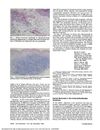
November 1990 in “Archives of Dermatology” This case report details a woman with eosinophilia-myalgia syndrome associated with L-tryptophan ingestion, highlighting skin lesions with abundant dermal mucin.
 April 2026 in “International Journal of Clinical Case Reports and Reviews”
 In this preclinical study, researchers developed and evaluated a new non-invasive laser system designed for personalized medical use, showing its potential for chronic disease management and adjunctive fat reduction by offering enhanced treatment precision and adaptability over existing devices.
September 2015 in “International Society of Hair Restoration Surgery” This project by the International Society of Hair Restoration Surgery aims to define best practices in hair restoration surgery but does not report new clinical findings.
January 2012 in “Journal of Cosmetics Dermatological Sciences and Applications” This study found that iontophoresis significantly enhances the skin penetration of magnesium salt of L-ascorbic acid 2-phosphate, especially in hairy mice, compared to passive diffusion.
5 citations
,
January 2019 in “International Journal of STD & AIDS” This report discusses a rare case where immune reconstitution inflammatory syndrome in an HIV patient led to dermatologic, ophthalmologic, and neurologic complications due to secondary syphilis.
August 2000 in “Microscopy and Microanalysis” This study used novel methods to detect and map iodine concentrations in pig skin, finding iodine present in the coating, stratum corneum, and tissue around hair follicles.
8 citations
,
September 2011 in “Scanning” This study found that multiphoton microscopy effectively visualizes the microstructure of in vivo mouse skin, offering a clear view of various skin layers and components like corneocytes and collagen fibers.
 January 2024 in “Wiadomości Lekarskie”
 In this study, researchers at the Laboratory of Regenerative Medicine WUM are exploring the long-term effects of SARS-CoV-19 infection, focusing on stem cell mobilization and engraftment processes, and utilizing advanced diagnostic techniques to develop algorithms for rare disease classification, including amyloidosis.
3 citations
,
July 2024 in “Journal of Vascular Diseases” This review compiles existing research on ischemia-modified albumin (IMA) as a biomarker for myocardial ischemia, highlighting current gaps in understanding its formation and detection, with no new clinical results reported.
50 citations
,
February 2004 in “Journal of Investigative Dermatology” January 2026 in “International Journal of Surgery Case Reports” This case series reports that home use of intense pulsed light devices may effectively reduce hair burden and prevent recurrence of pilonidal disease in patients unable to regularly attend clinic sessions.
October 2024 in “Acta Biomaterialia” This study introduced a novel method that uses upright structured illumination microscopy and atomic force microscopy to map the mechanical properties of thick living tissue slices, revealing the intricate mechanical heterogeneity of mouse skin and effects of preservation techniques on tissue stiffness.
 28 citations
,
February 2020 in “Clinical Ophthalmology”
28 citations
,
February 2020 in “Clinical Ophthalmology” This article discusses intraoperative floppy iris syndrome during cataract surgery and highlights the importance of awareness and preoperative documentation of its risk factors, emphasizing a multidisciplinary approach to management.
 January 2024 in “Genetics in Medicine Open”
 This case study of a patient with a variant in the extracellular region of IL6ST suggests a potential expansion of the phenotypic spectrum for autosomal dominant hyper-IgE syndrome, warranting further investigation.
May 2023 in “ACS Biomaterials Science & Engineering” This study found that a silk fibroin/sodium alginate scaffold effectively delivers human umbilical mesenchymal stem cells to promote scarless wound healing and hair follicle regeneration in vivo by inducing specific cellular processes and mitigating endoplasmic reticulum stress.
 January 2018 in “SOJ microbiology & infectious diseases”
 This review outlines the changing landscape of psoriasis vulgaris treatment with biologics, which offer benefits but also have increasingly recognized adverse effects, without presenting new clinical results.
5 citations
,
January 2016 in “Hair therapy & transplantation” In this study, miliacin combined with polar lipids significantly stimulated IGF1 production, increased the renewal of keratinocytes, and enhanced collagen thickness in a hair follicle model.
 November 2022 in “The journal of investigative dermatology/Journal of investigative dermatology”
 This study found that Imaging Mass Cytometry effectively visualizes multiple biomarkers in alopecia areata, enhancing analysis of immune cell and tissue interactions in hair pathology.
13 citations
,
January 2024 in “Journal of Nanobiotechnology” This research reported that a newly developed adhesive wound dressing (SIS/PAA/LAP) demonstrated higher tissue adhesion and burst strength compared to conventional products, and improved tissue repair outcomes in animal models, suggesting potential for enhanced wound healing applications.
 8 citations
,
April 2019 in “ACS Biomaterials Science & Engineering”
8 citations
,
April 2019 in “ACS Biomaterials Science & Engineering” This study found that a new SIS-PEG sponge promoted rapid skin defect healing in mice and showed potential for reconstructing reconstituted skin with regenerated hair.
 41 citations
,
December 2008 in “Current Opinion in Ophthalmology”
41 citations
,
December 2008 in “Current Opinion in Ophthalmology” This review describes techniques to manage intraoperative floppy iris syndrome linked to alpha-1 blocker use in cataract surgery, highlighting the need for patient disclosure of medication use but reports no new clinical results.
April 2023 in “Journal of Investigative Dermatology” HA-iMSC-EVs can improve skin aging by boosting cell growth and restoring collagen and elastin.
 10 citations
,
January 2007 in “Journal of cosmetic and laser therapy”
10 citations
,
January 2007 in “Journal of cosmetic and laser therapy” In this study, a new IPL device effectively reduced hair regrowth with high patient satisfaction, particularly in individuals with coarse dark hair and darker skin, despite repeated sessions needed for lighter hair and skin.
7 citations
,
April 2025 in “Science Advances” This study suggests that a biomaterial-based approach using microneedles and ion solutions to deliver SiO3 2− ions may disrupt inflammatory cycles and improve outcomes in inflammatory dilated cardiomyopathy (iDCM).
 4 citations
,
March 2013 in “InTech eBooks”
4 citations
,
March 2013 in “InTech eBooks” Confocal Laser Scanning Microscopy (CLSM) is a useful tool for studying how drugs interact with skin and diagnosing skin disorders, despite some limitations.

This study found that expert consensus endorsed myo-inositol, alone or combined with folic acid and vitamin D₃, as an effective, well-tolerated option for managing acne and hirsutism in PCOS.
 April 2023 in “Journal of Investigative Dermatology”
 This study demonstrated that the Epidermal Biopotential Sensing System (EBSS) can measure digital biomarkers of pain in mice, suggesting potential applications in assessing pain and screening analgesics in populations with communication difficulties.
1 citations
,
July 2024 in “Nanomedicine” This study demonstrated that EVs from pluripotent stem cell-derived mesenchymal stem cells improved recovery and function in ischemic lower limbs by enhancing angiogenesis through the ERK/MAPK signaling pathway.
 April 2017 in “Journal of Investigative Dermatology”
 This study found that retinoic acid and a retinol complex formulation showed different permeation and compound localization in a skin equivalent model, with unique lipid changes observed with only the retinol formulation.