13 citations
,
April 1982 in “The Journal of Dermatology” This study found that poly(adenosine diphosphate-ribose) synthesis in human skin varies by cell type and condition, with distinct patterns in psoriatic, cancerous, and normal tissues.
 July 2015 in “Actas Dermo-Sifiliográficas”
 A young woman with a rare fungal infection showed significant improvement after treatment with antifungal medication.
24 citations
,
November 2003 in “The FASEB Journal” This study found that epimorphin and a modified peptide, pep7, can stimulate hair follicles to shift from a resting phase to a growing phase in both an organ culture assay and in mice.
 10 citations
,
September 2013 in “Veterinary dermatology”
10 citations
,
September 2013 in “Veterinary dermatology” This study found that medroxyprogesterone injections led to partial or complete hair regrowth in some Pomeranian dogs with alopecia X, though their IGF-1 levels remained unchanged.
 March 2026 in “International Journal of Pharmaceutics and Drug Analysis”
 In this study, researchers developed a polyherbal emulgel for topical use in managing rheumatoid arthritis and found that formulation F3 provided optimal drug release and stability, indicating it may be an effective alternative with improved patient compliance.
 6 citations
,
June 2008 in “Journal of the European Academy of Dermatology and Venereology”
6 citations
,
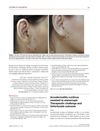
June 2008 in “Journal of the European Academy of Dermatology and Venereology” This paper discusses a case of acrodermatitis continua that was resistant to treatment with etanercept, highlighting the therapeutic challenges faced, but reports no new research results.
May 2025 in “Journal of the European Academy of Dermatology and Venereology” This study reported that etrasimod did not achieve significant improvements in hair regrowth for moderate to severe alopecia areata at 24 weeks, although it showed a dose-dependent trend and was safe and well-tolerated over 52 weeks.
April 2026 in “Proceedings of the National Academy of Sciences” In this study, Tmem30b was identified as a key regulator of outer hair cell structure in mice, and its modulation may offer a therapeutic approach for certain types of hearing loss.
 10 citations
,
January 2012 in “Lupus”
10 citations
,
January 2012 in “Lupus” This case report is the first to associate NEMO syndrome with systemic lupus erythematosus, suggesting a potential role for NF-kB essential modulator in the pathogenesis of SLE.
5 citations
,
September 2023 in “Molecules” This review examines physical methods like electron paramagnetic resonance spectroscopy, Raman spectroscopy, and differential scanning calorimetry, highlighting their complementary capabilities in analyzing biomolecular structures and mycobacterial interactions with reactive oxygen species and antioxidants.
4 citations
,
October 2023 in “Case Reports in Dermatology” In this case report, the researchers highlighted the diagnostic challenge of Majocchi’s granuloma, a deep fungal infection that mimics other skin conditions and resists initial treatment, emphasizing the importance of considering it as a diagnosis even after failed topical antifungal therapies.
4 citations
,
March 2022 in “Journal of Cosmetic Dermatology” This study found that formulations containing saccharide isomerate significantly improved scalp flaking, sebum secretion, and transepidermal water loss compared to placebo in an adult Chinese population with dandruff.
August 2024 in “International Journal of Cosmetic Science” This study found that acetyl zingerone methyl ether (MAZ) in hair dyes and haircare products may reduce oxidative damage, improve hair condition, and enhance the longevity and quality of dyed hair color.
 December 2025 in “Cureus”
 In this report, successful management of inherited acrodermatitis enteropathica, a zinc absorption disorder due to an SLC39A4 gene defect, was demonstrated in an infant through zinc supplementation.
 October 2021 in “Austin journal of biomedical engineering”
 In this study, researchers modified an acellular scaffold with different concentrations of eggshell membrane protein, finding that a 5% concentration effectively enhanced tissue regeneration in mice with excisional wounds, achieving complete healing within 14 days without causing immunogenicity or inflammation.
42 citations
,
May 2009 in “Contraception” This study found that the combined oral contraceptive containing ethinyl estradiol and chlormadinone acetate was effective in reducing moderate papulopustular acne and other androgen-related skin disorders compared to placebo.
 1 citations
,
June 2014 in “Vìsnik farmacìï”
1 citations
,
June 2014 in “Vìsnik farmacìï” This study developed an emulsion formulation with optimal properties for androgenetic alopecia treatment using saw palmetto and Japanese Sophora extracts, evaluated for stability and release of active ingredients.
8 citations
,
March 2023 in “Polymers” This study suggests that a chitosan-coated omeprazole-loaded nanoemulgel formulation may effectively treat certain skin infections due to its demonstrated antimicrobial properties and enhanced antibacterial activity.
 January 2023 in “Bio web of conferences/BIO web of conferences”
 This study identified specific dermoscopic features for differentiating rosacea, seborrheic dermatitis, contact dermatitis, and atopic dermatitis, suggesting dermoscope's value in diagnosing facial erythema with atypical presentations.
 February 2025 in “Pharmaceuticals”
 This study found that supplementing myo-inositol with microlipodispersed magnesium significantly improved acne and hirsutism in women with PCOS by reducing BMI, testosterone, and DHEAS levels, also enhancing quality of life without side effects, over 6 months.
 October 2022 in “Amplla Editora eBooks”
 The document's conclusion cannot be provided because the document is not accessible or understandable.
 14 citations
,
July 2012 in “Journal of the American Academy of Dermatology”
14 citations
,
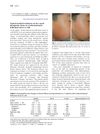
July 2012 in “Journal of the American Academy of Dermatology” This study found that topical tacalcitol improved roughness and scaling in erythromelanosis follicularis faciei et colli, although it was less effective for facial erythema.
This study evaluated amphiphilic self-assembling peptides as drug delivery systems and found they effectively ensured prolonged release and therapeutic efficacy for timolol in glaucoma and for chemotherapy agents in cancer treatment, with significant tumor size reduction observed in animal models.
 61 citations
,
September 2020 in “Bioactive Materials”
61 citations
,
September 2020 in “Bioactive Materials” This study found that the multifunctional FEA-PCEI dressing significantly accelerated wound healing, reduced scar formation, and promoted hair follicle neogenesis while providing antibacterial and anti-inflammatory benefits.
January 2022 in “International Journal of Pharmacognosy and Pharmaceutical Sciences” This review examines the ethanomedicinal uses and pharmacological properties of Semecarpus anacardium, commonly used in traditional medicine, and does not provide new clinical results; it highlights a range of potential benefits including anti-inflammatory and antioxidant activities.

This study concluded that public health services in Recife-PE are inadequately informing women about the climacteric, necessitating an urgent interdisciplinary care model to improve their quality of life.
 August 2025 in “Current Botany”
 This study suggests that Acrotrema arnottianum, a herb used in traditional medicine, contains biologically active metabolites like squalene and α-Tocopherol. It showed antibacterial effects against Staphylococcus aureus and antifungal properties against Candida albicans, while demonstrating antioxidant activity.
1 citations
,
May 2019 in “DOAJ (DOAJ: Directory of Open Access Journals)” This study presented two brothers with hereditary acrodermatitis enteropathica who had normal zinc serum levels and experienced skin and hair lesions, but no dental disorders.
 April 2015 in “Reactions Weekly”
 Some elderly men had healing problems after using imiquimod and diclofenac for skin conditions on their scalps.
 April 2023 in “Jurnal Sain Veteriner”
 This case report describes a Persian cat with Acute Moist Dermatitis triggered by ectoparasite infestation and complicated by systemic infection, which required intensive treatment including antiparasitics and antibiotics.