 February 2010 in “Journal of the American Academy of Dermatology”
 This case report describes a 4-month-old boy with anhidrotic ectodermal dysplasia and immunodeficiency who showed minimal improvement with initial treatments but significant improvement after an umbilical cord blood transplantation.
 19 citations
,
April 2015 in “International Journal of Molecular Sciences”
19 citations
,
April 2015 in “International Journal of Molecular Sciences” This study identified distinct gene expression patterns in wool follicle bulbs that may play important roles in wool follicle cycling and regeneration in sheep.
 19 citations
,
October 2008 in “Journal der Deutschen Dermatologischen Gesellschaft”
19 citations
,
October 2008 in “Journal der Deutschen Dermatologischen Gesellschaft” This article reviews the cutaneous reactions and characteristic skin changes associated with chemotherapy, radiation therapy, and new targeted cancer treatments, reporting no new clinical results.
 April 2026 in “International Journal of Drug Delivery Technology”
 This review highlights the various causes and treatment options for alopecia, noting that while non-scarring types often see successful hair regrowth, scarring forms require early intervention to manage inflammatory destruction of hair follicles.
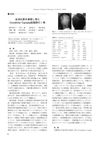 January 2014 in “Progress of Digestive Endoscopy”
 This case report describes a 60-year-old woman with Cronkhite-Canada syndrome whose symptoms and polyposis improved following prednisolone therapy, but emphasizes the need for periodic digestive tract screening due to associated cancer risks.
 89 citations
,
September 2010 in “Annual Review of Genomics and Human Genetics”
89 citations
,
September 2010 in “Annual Review of Genomics and Human Genetics” This review discusses the genetic factors involved in hair follicle morphogenesis and cycling and reports no new clinical results; it emphasizes the role of genes in hereditary hair diseases.
 43 citations
,
February 2013 in “Developmental dynamics”
43 citations
,
February 2013 in “Developmental dynamics” This study found that Eda and activin A regulate Foxi3 expression, which may contribute to the development of hypohidrotic ectodermal dysplasia by affecting Foxi3 activity in ectodermal appendages like hair and teeth.
15 citations
,
July 2015 in “Developmental Dynamics” This study highlights the role of Orai1 in ameloblast differentiation and maturation, showing that its down-regulation affects cell proliferation and enamel formation during tooth development.
 12 citations
,
May 2017 in “Pharmacology & therapeutics”
12 citations
,
May 2017 in “Pharmacology & therapeutics” This review discusses the mechanisms underlying immune tolerance failure in alopecia areata and highlights potential therapeutic avenues for restoring hair growth and achieving sustained remission, but reports no new clinical results.
 1 citations
,
February 2013 in “InTech eBooks”
1 citations
,
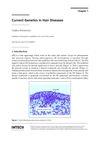
February 2013 in “InTech eBooks” Genetic mutations cause various hair diseases, and whole genome sequencing may reveal more about these conditions.
January 2026 in “Acta Dermato Venereologica” This source reports that four weeks of dupilumab treatment led to notable improvement in skin lesions, including multiple erythematous patches and papules on the face, back, and limbs.
 July 2024 in “Journal of Dermatological Treatment”
 In this case report, a 6-year-old boy with hidrotic ectodermal dysplasia 2 caused by GJB6 mutations showed no significant hair improvement with age, despite treatment with botanical extracts and Minoxidil.
 48 citations
,
January 2012 in “The journal of investigative dermatology/Journal of investigative dermatology”
48 citations
,
January 2012 in “The journal of investigative dermatology/Journal of investigative dermatology” This study identified chemokine receptor ligands cxcl10 and cxcl11 as new hair-specific transcriptional targets of the Eda pathway, suggesting chemokine signaling plays a role in primary hair follicle patterning.

This study identified a missense variant in the EDA gene of a male cat, which likely caused hypohidrotic ectodermal dysplasia, characterized by hair and teeth abnormalities; this represents the first report of such a genetic condition in cats.
 109 citations
,
September 2011 in “Human molecular genetics online/Human molecular genetics”
109 citations
,
September 2011 in “Human molecular genetics online/Human molecular genetics” This review discusses keratin disorders and potential RNA interference therapeutics, reporting no new clinical findings but highlighting the promise of siRNA for future treatments.
74 citations
,
October 2012 in “The American Journal of Human Genetics” This study found that loss-of-function mutations in the HOXC13 gene cause autosomal-recessive pure hair and nail ectodermal dysplasia, emphasizing its role in hair and nail development.
54 citations
,
January 2009 in “Development” This study concluded that Wnt/β-catenin signaling, through Shh and Bmp pathways, is crucial for determining hair follicle fate in embryonic epidermal development.
14 citations
,
April 2021 in “International journal of molecular sciences” This study found that human hematopoietic mesenchymal stem cells increased the viability and migration of human outer root sheath cells in an in vitro alopecia areata model, involving Wnt/β-catenin and JAK/STAT pathways.
 4 citations
,
December 2021 in “The journal of investigative dermatology/Journal of investigative dermatology”
4 citations
,
December 2021 in “The journal of investigative dermatology/Journal of investigative dermatology” This study found that persistent activation of Wnt signaling in mouse models leads to cyst formation in hair follicles, resembling acne, and that these cysts can be partially reduced by certain acne treatments.
January 2024 in “Biomedicines” This review discussed the cutaneous manifestations of APECED, highlighting chronic mucocutaneous candidiasis, alopecia areata, and vitiligo, while emphasizing the importance of early detection and monitoring for accurate diagnosis and patient care in various populations.
36 citations
,
March 2014 in “Cell death and differentiation” This study indicated that abnormal Bmp signaling in β-catenin gain-of-function mutants is associated with anorectal malformations, shedding light on potential mechanisms underlying these congenital conditions.
22 citations
,
June 2020 in “iScience” This study found that disrupting Sox21 in developing teeth leads to severe enamel hypoplasia, regional osteoporosis, and abnormal hair formation, with impaired dental epithelial differentiation and regulation of hair follicle cell fate.
1 citations
,
December 2024 in “BMC Genomics” This study used transcriptome analysis to explore the genetic mechanisms behind the development and seasonal variation of nuptial pads in R. chensinensis, identifying key genes and processes that suggest the pads' development involves complex regulatory pathways, particularly those related to cell cycle and hormone synthesis.
 26 citations
,
July 2019 in “Dermatology and Therapy”
26 citations
,
July 2019 in “Dermatology and Therapy” This article discusses genetic hair disorders in children, outlining diagnostic approaches and highlighting the significance of distinguishing isolated hair defects from those associated with syndromes, but it reports no new clinical results.
12 citations
,
January 2023 in “Indian Dermatology Online Journal” This review discusses the diagnostic and therapeutic challenges of hair shaft disorders and suggests diagnostic tools like trichoscopy and light microscopy, but reports no new clinical results.
1 citations
,
November 2025 in “Aging Cell” This review discusses the role of the ectodysplasin A2 receptor as a biomarker and driver of ageing related to inflammation, and its potential therapeutic implications, but reports no new clinical findings.
 November 2023 in “British Journal of Dermatology”
 Mutations in the WNT10A gene cause Short Anagen Hair syndrome and increase the risk of male pattern hair loss.
3 citations
,
June 2018 in “Internal Medicine” In this study, a patient with Cronkhite-Canada syndrome complicated by severe sepsis and disseminated intravascular coagulation was successfully treated using combined therapies, including recombinant human soluble thrombomodulin, despite the absence of a standard treatment regimen for CCS.
12 citations
,
January 2013 in “Indian dermatology online journal” This case report details a 21-year-old woman with dermatopathia pigmentosa reticularis, presenting with generalized reticulate hyperpigmentation, diffuse noncicatricial alopecia, onychodystrophy, palmoplantar keratoderma, and poorly developed dermatoglyphics.
80 citations
,
September 2007 in “Cell Cycle” This study found that nestin-expressing cells in the hair follicle bulge exhibit multipotent stem cell-like properties and can generate neural cells both in vitro and in vivo.