 3 citations
,
September 2020
3 citations
,
September 2020 This study found that the medication dyclonine has a potent inhibitory effect on the TRPV3 channel, effectively rescuing cell death and alleviating pruritus symptoms in a mouse model with gain-of-function TRPV3 mutations, suggesting potential for treating skin inflammation.
 September 2024 in “Journal of the American Academy of Dermatology”
 This review discusses the limited evidence on the efficacy of platelet-rich plasma for treating endocrine therapy-induced and permanent chemotherapy-induced alopecia and reports no new clinical results.
 22 citations
,
June 2018 in “Journal of Neuroinflammation”
22 citations
,
June 2018 in “Journal of Neuroinflammation” This study found that procyanidins effectively alleviate neuropathic pain in mice by significantly inhibiting MMP-9/2 activity.
1 citations
,
March 2026 in “Scientific Reports” This study found that among patients with discogenic low back pain, intradiscal injection of platelet-rich plasma over six months resulted in significant symptom improvement, with 79.3% achieving a clinically important reduction in pain and disability scores, and showed promising safety without treatment-related complications.
 5 citations
,
January 2021 in “iScience”
5 citations
,
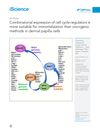
January 2021 in “iScience” Using a combination of specific cell cycle regulators is better for safely keeping hair root cells alive indefinitely compared to cancer-related methods.
 October 2015 in “Reactions Weekly”
 A woman got a scalp condition from using latanoprost, but it improved after stopping the drug and starting other treatments.
December 2025 in “Journal of Veterinary Clinics” This case report describes the use of CO2 laser surgery to treat chronic pododermatitis and pseudopads in an 8-year-old obese dog, resulting in complete healing within four weeks after previous treatments provided only temporary relief.
 4 citations
,
February 2024 in “Scientific Reports”
4 citations
,
February 2024 in “Scientific Reports” This study found that Platelet Rich Plasma is effective as a direct pulp capping agent, comparable to Mineral Trioxide Aggregate, but with potentially better cellular dentinogenic responses and homogenous tissue formation in dogs.
 8 citations
,
April 2006 in “Acta dermato-venereologica”
8 citations
,
April 2006 in “Acta dermato-venereologica” Dovobet ointment used overnight effectively reduces scalp psoriasis severity and itch.
This study found changes in the PGI2 pathway, especially in gene and protein expression, in diabetic mice, but did not observe PGI2-dependent vasomotor dysfunction.
4 citations
,
April 2022 in “Microorganisms” In this study, clinically used preoperative skin preparations with povidone iodine and chlorhexidine gluconate did not meet FDA log-reduction standards for bacterial bioburden in a porcine model, suggesting persistent infection risks.
July 2025 in “Ultrasound in Medicine & Biology” This study found that nanobubble-encapsulated diclofenac with ultrasound-targeted microbubble destruction (DNBs-UTMD) can enhance the anti-tumor efficacy of Doxil® by regulating the tumor immune microenvironment, improving drug uptake, and increasing T cell responses while reducing immune-suppressive cells in the process.
 14 citations
,
May 2021 in “Marine Drugs”
14 citations
,
May 2021 in “Marine Drugs” This review discusses the therapeutic properties of polydeoxyribonucleotides derived from marine organisms for wound healing and inflammation, but it reports no new clinical results.
11 citations
,
August 2021 in “Stem Cell Research & Therapy” This study found that coadministration of pimecrolimus may interfere with the therapeutic efficacy of mesenchymal stem cell therapy in atopic dermatitis.
 1 citations
,
August 2005 in “British Journal of Dermatology”
1 citations
,
August 2005 in “British Journal of Dermatology” This case report describes a 7-year-old girl who developed widespread erythroderma and systemic symptoms after ingesting clobetasone butyrate cream, despite previous psoriasis treatment.
 13 citations
,
August 2007 in “Bioorganic & medicinal chemistry letters”
13 citations
,
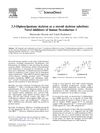
August 2007 in “Bioorganic & medicinal chemistry letters” This study developed a new competitive 5alpha-reductase inhibitor with an IC(50) of 0.84 microM using a novel chemical structure.
June 2014 in “Biotechnology and Bioprocess Engineering” This study demonstrated that injecting reconstructed dermal papilla-like tissues in mice led to new hair growth, suggesting potential future applications in hair transplantation and baldness treatment.
 October 2014 in “Faculty Opinions – Post-Publication Peer Review of the Biomedical Literature”
 Adding dalteparin and protamine microparticles to platelet-rich plasma can boost hair growth more than using platelet-rich plasma alone.

In this case study, a 46-year-old woman with localized discoid lupus erythematosus on her scalp showed significant improvement with a combination of oral hydroxychloroquine and topical pimecrolimus, despite limited success with previous treatments.
4 citations
,
April 2019 in “JAAD Case Reports” This article reviews the clinical features of dermatopathia pigmentosa reticularis, highlighting its characteristic triad of symptoms, but provides no new research results.
9 citations
,
January 2015 in “Medical hypotheses” This report suggests that TCDD may alter human epidermal stem cell populations by upregulating c-Myc, potentially leading to increased stem cell turnover during chloracne development.
May 2026 in “Journal of Tissue Engineering” This study established a method to create stem cell-derived dermal papilla cells and found that their conditioned medium significantly boosts hair growth and offers anti-inflammatory benefits in mice, surpassing minoxidil and addressing androgen-related hair loss.
 May 2015 in “Journal of The American Academy of Dermatology”
 Povidone-iodine nail solution effectively treats nail infections caused by chemotherapy.
 1 citations
,
December 2022 in “Life”
1 citations
,
December 2022 in “Life” This review systematically analyzed evidence on treatment options for erosive pustular dermatosis, finding that while potent topical steroids like clobetasol propionate can be effective, recurrence is common, and more robust studies are necessary for stronger recommendations.
2 citations
,
June 2023 in “Clinical Cosmetic and Investigational Dermatology” In this study, post-treatment with DCO was found to speed up epidermal wound healing after micro-needling of 3D skin models while maintaining the treatment's immunostimulatory benefits, potentially optimizing aftercare and reducing patient recovery time.
 August 2025 in “International Journal of Scientific Research in Biological Sciences”
 In this study, women with polycystic ovarian syndrome were found to have significantly higher blood levels of DHEA, IL-6, and TNF-α compared to healthy controls.
 January 2020 in “Nihon Yakuri Gakkai nenkai yoshishu”
 This study suggests that 5α-reductase-mediated metabolism of progesterone contributes to the differentiation of endometrial stromal cells, potentially influencing progesterone levels and promoting cell differentiation.
This study identified seven novel CYP17A1 inhibitor scaffolds as potential leads for treating polycystic ovary syndrome through an in silico approach, demonstrating favorable interactions, drug-like properties, and predicted bioactivities warranting further experimental validation.
 June 2020 in “The journal of investigative dermatology/Journal of investigative dermatology”
 This pilot study suggests that a new preparation of platelet-rich plasma gel may improve symptoms and tissue regeneration in patients with en coup de sabre scleroderma, though further trials are needed to clarify its role.
11 citations
,
June 2005 in “Veterinary Dermatology” In this study, dermal fibroblasts in the head of beagle dogs metabolized the highest amount of progesterone, primarily into cortisol, while dermal papilla cells mainly produced 5α-pregnane-3,20-dione and cortisol.