December 2025 in “Current Issues in Molecular Biology” In this systematic review, animal studies showed that cytarabine causes multi-organ toxicities, notably neurotoxicity, linked to oxidative stress and other mechanisms, though study quality raises concerns about reliability and translation to human outcomes.
August 2025 in “Animal nutrition” This study found that supplementing with 1.5% α-ketoglutaric acid significantly improved the performance, hair follicle density, and antioxidant capacity in Rex rabbits, potentially by enhancing the Wnt signaling pathway and reducing amino acid catabolism.
This study found that a combination of topical and oral treatment led to greater improvements in hair density, thickness, and anagen/telogen ratio in patients with androgenetic alopecia compared to topical treatment alone, with significant benefits observed over a 3-month period.
 April 2025 in “BMC Chemistry”
 This study developed an organic hair conditioner using chitosan-thiadiazole conjugates that showed improved hair detangling, moisture retention, and protection without causing irritation, promising an environmentally sustainable approach to hair care.
 January 2025 in “Cellular & Molecular Biology Letters”
 This review discusses how dysregulated levels of eicosanoids, which are metabolites of phospholipids, may contribute to skin diseases like psoriasis and atopic dermatitis, suggesting the importance of targeted eicosanoid control in diagnosis and treatment.
 January 2025 in “Applied Sciences”
 This review examines sulforaphane's interactions with hormone-mediated health conditions, focusing on gender-specific health issues, but reports no new original research findings.
January 2025 in “Molecules” In this review, the authors discuss caffeine's potential mechanisms and benefits as a hair loss treatment, noting its possible effectiveness and safety, though they caution that existing studies often have significant design flaws.
September 2024 in “Reproduction and Fertility” This review highlights the limited effectiveness of current unlicensed treatments for male subfertility, like hormonal therapy and antioxidants, and emphasizes new drug discovery methods such as high-throughput screening and drug repurposing to improve treatment development for male subfertility.
 April 2024 in “Cosmetics”
 Different oils affect hair flexibility and strength, with their impact varying on whether hair is virgin or bleached.
This review examines natural bioactive compounds for their potential to alleviate androgenetic alopecia, emphasizing compounds like ginseng and curcumin, but reports no new experimental results.
 January 2024 in “Materials chemistry frontiers (Online)”
 This study reviews recent advancements in near-infrared organic light-emitting diode (NIR OLED) technologies, focusing on their applications and the diverse luminescent materials used in their emissive layers.
 November 2023 in “ACS Omega”
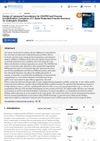
 This study reported that a novel cationic liposome formulation for delivering encapsulated Cas9 protein and sgRNA successfully decreased SRD5α2 mRNA expression by 29.7% in vitro, suggesting a potential alternative treatment option for conditions like prostate cancer and benign prostatic hyperplasia without current drug side effects.
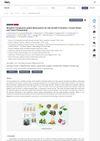
This review highlights various plant-based and herbal treatments that reportedly help prevent hair loss and encourage hair growth. It also explores the molecular mechanisms, identified plant compounds, recent technologies such as nanoarchitectonics, and patents related to hair growth promotion.
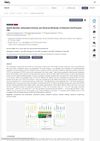
In this study, six types of cold-pressed oils commonly found in the Polish market were analyzed for their health-promoting compounds and antioxidant activity, revealing them as valuable sources of bioactive compounds like polyunsaturated fatty acids, tocopherols, sterols, and polyphenols, without exceeding recommended deterioration parameters.
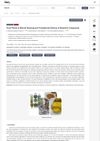
This review highlights the potential of plant-derived natural compounds as biocompatible and biodegradable materials in dermal and transdermal delivery systems, emphasizing their unexplored benefits and detailing recent advances in isolation techniques and drug delivery technologies.
110 citations
,
September 2017 in “Molecules” This review discusses the phytochemistry, pharmacology, pharmacokinetics, and standardization of Forsythiae Fructus, detailing both unripe and ripe forms, but reports no new clinical results.
87 citations
,
September 2006 in “Clinical Cancer Research” This article reviews the diverse roles of protein kinase C (PKC) isozymes in cancer biology, highlighting their potential as therapeutic targets, but reports no new experimental results.
54 citations
,
June 2023 in “International Journal of Molecular Sciences” This review reports that myricetin, a naturally occurring antioxidant in plants, may assist in cancer management by enhancing the effects of existing drugs and inhibiting inflammatory markers, based on in vivo and in vitro studies.
49 citations
,
May 2021 in “Bulletin of the National Research Centre/Bulletin of the National Research Center” This review highlights that while scientific validation supports the traditional use of Musa paradisiaca (plantain) primarily for physiological conditions, data on its antiviral and in vivo antimicrobial efficacy is limited, yet its constituent compounds indicate potential for further drug development research.
24 citations
,
March 2020 in “Cells” This review provides an overview of natural product-derived small molecule modulators of the Wnt signaling pathway, exploring their potential as therapeutic agents for tissue regeneration and cancer treatment.
22 citations
,
June 2021 in “Plants” This study found that a methanolic extract of Sterculia foetida seeds demonstrated significant thrombolytic, anti-arthritic, analgesic, and antipyretic activities, with moderate cytotoxic effects in vitro and in vivo.
18 citations
,
February 2024 in “ACS Polymers Au” This review highlights silk fibroin and its nanocomposites as promising materials for wound healing, addressing challenges in chronic wound treatment, especially in developing countries, and examines the obstacles in bringing silk-based products to market.
10 citations
,
July 2023 in “Pharmaceuticals” This study explored the wound healing potential of a natural marine soft coral-derived nanoparticle-based gel in a diabetic excision wound model, finding it effectively regulates proinflammatory cytokines and inhibits enzymes related to wound healing.
8 citations
,
September 2024 in “Food Science & Nutrition” This review discusses the benefits of β-sitosterol, a plant compound found in nuts and seeds, which may lower "bad" cholesterol and help prevent heart disease, cancer, and diabetes, but notes the lack of clinical studies on its safety and effectiveness in humans.
7 citations
,
June 2025 in “International Journal of Molecular Sciences” This review highlights that vitexin, a natural flavonoid derived from plants like mung bean, modulates critical cellular processes involved in cancer progression, suggesting its potential as a multi-target anticancer treatment in preclinical studies.
 7 citations
,
December 2022 in “Frontiers in Bioengineering and Biotechnology”
7 citations
,
December 2022 in “Frontiers in Bioengineering and Biotechnology” This review discusses the role of extracellular vesicles as therapeutic agents for wound healing and highlights the need for further research into their clinical applications.
1 citations
,
July 2025 in “Frontiers in Pharmacology” This review summarizes how foods with both medicinal and nutritional properties are being examined for their potential role in addressing post-acute COVID-19 syndrome, but it reports no new clinical results.
1 citations
,
May 2024 in “Pharmaceutics” This review discusses the potential benefits and challenges of using hemp actives like cannabinoids, terpenes, and flavonoids in skincare products, emphasizing their anti-inflammatory, antimicrobial, and antioxidant properties and strategies to enhance their penetration and integration in natural and sustainable cosmeceuticals.
 1 citations
,
September 2022 in “Molecules”
1 citations
,
September 2022 in “Molecules” This review systematically summarizes the chemical components and pharmacological research on Fructus Malvae, aiming to enhance its development and application in traditional Chinese medicine; it reports no new clinical results.
 April 2026 in “Antioxidants”
 In this study, broccoli sprout extract and sulforaphane were found to reduce cell viability, suppress growth, and induce apoptosis in breast cancer cells, and oral broccoli sprout extract inhibited tumor growth in animal models, suggesting it may be effective in managing breast cancer.