 6 citations
,
January 2020 in “The journal of investigative dermatology/Journal of investigative dermatology”
6 citations
,
January 2020 in “The journal of investigative dermatology/Journal of investigative dermatology” This study found that topically applied liposomal spherical nucleic acids targeting the IL-17 receptor could effectively reduce psoriasis severity in preclinical models.
 7 citations
,
March 2022 in “Scientific reports”
7 citations
,
March 2022 in “Scientific reports” In this study, researchers found that pigs with genetically disrupted ANTXR1 were resistant to Senecavirus A infection, showing no clinical symptoms, and provided a model for human GAPO syndrome, while confirming ANTXR1 as a receptor for the virus.
26 citations
,
April 1996 in “Journal of Investigative Dermatology” 2 citations
,
December 2013 in “Cancer research” In this study, GTx-027, a selective androgen receptor modulator, significantly inhibited tumor growth in certain breast cancer models and showed good tolerance in a Phase II trial with postmenopausal women.
April 2023 in “Journal of Investigative Dermatology” This study found that intradermal injection of a specially designed RNA molecule, cp-asiAR, successfully reduced androgen receptor levels and promoted hair growth in a mouse model of androgenetic alopecia, while also improving hair follicle characteristics in ex vivo human scalp tissues without significant toxicity.
5 citations
,
July 2014 in “Molecular Biology Reports” 10 citations
,
February 2019 in “Journal of Cellular Biochemistry” This study reports a complex network of blood lncRNA and associated pathways in alopecia areata but suggests further research is needed for verification and understanding of these findings.
November 2025 in “Journal of Investigative Dermatology” TEDAR is crucial for skin cell differentiation and barrier formation.
4 citations
,
January 2023 in “bioRxiv (Cold Spring Harbor Laboratory)” This study identified the genes for pyochelin siderophore biosynthesis as a novel target regulated by the heme-responsive PrrH sRNA in Pseudomonas aeruginosa.
 6 citations
,
January 2010 in “Neoplasma”
6 citations
,
January 2010 in “Neoplasma” In this study, researchers found that shorter CA repeats in the ERbeta gene are correlated with PSA expression, and PSA immunoexpression is associated with increased disease-free survival in breast cancer.
 November 2023 in “ACS Omega”
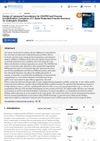
 This study reported that a novel cationic liposome formulation for delivering encapsulated Cas9 protein and sgRNA successfully decreased SRD5α2 mRNA expression by 29.7% in vitro, suggesting a potential alternative treatment option for conditions like prostate cancer and benign prostatic hyperplasia without current drug side effects.
37 citations
,
May 2018 in “Frontiers in physiology” This study identified key long non-coding RNAs and mRNAs involved in primary wool follicle induction in carpet wool sheep, emphasizing their roles in hair follicle development and skin processes.
 February 2025 in “Journal of Clinical Investigation”
 This study found that RNase L acts as a regeneration repressor gene in mammals, as seen in Rnasel-/- mice which showed increased regenerative capacity and elevated Wound Induced Hair Neogenesis through enhanced IL-36α signaling, suggesting a tradeoff between regeneration and immune regulation.
June 2020 in “The journal of investigative dermatology/Journal of investigative dermatology” This study investigated the roles of long non-coding RNAs in mouse hair follicle stem cells, using sequencing to identify potential biomarkers and targets for treatments in both mice and humans.
 December 2025 in “BMC Medical Genomics”
 This study demonstrated that RNA-seq can effectively expand hair follicle transcriptomic profiling in a multi-center study, offering deeper insights than blood transcriptomics alone.
 January 2024 in “Wiadomości Lekarskie”
 In this study, a child's diagnosis of Silver-Russell syndrome was confirmed through phenotype data, genetic testing, and the exclusion of other developmental conditions, revealing a need for a multidisciplinary care approach.
2 citations
,
October 2024 in “Phenomics” This study identified the combination of NCBP3, SDHA, and PTPRA as stable reference genes for normalizing gene expression in goat skin tissue research.
 11 citations
,
April 2019 in “Bioscience Reports”
11 citations
,
April 2019 in “Bioscience Reports” In this study, single nucleotide polymorphisms in the RAB5B gene were linked to an increased risk of polycystic ovary syndrome and associated with specific microRNA binding sites.
21 citations
,
March 2015 in “Neurological Sciences” This study reports that a novel frameshift mutation in the HTRA1 gene in a CARASIL pedigree led to reduced HTRA1 protein and increased TGF-β1 expression, potentially causing severe CARASIL and peripheral small arterial disease.
8 citations
,
June 2023 in “Acta Biochimica et Biophysica Sinica” In this study, a subcutaneous injection of recombinant RSPO1 was found to activate hair follicle stem cells and enhance hair regeneration in mice by stimulating the Wnt/β-catenin signaling pathway, suggesting its potential as a treatment for hair loss.
24 citations
,
May 2022 in “BMC Veterinary Research” This study identified key mRNAs and lncRNAs, along with related pathways, that play potentially important roles in hair follicle development and cycling in cashmere goats.
1 citations
,
August 2019 in “Journal of pediatric & adolescent gynecology” This report describes a novel AR gene mutation in a female patient, contributing to androgen insensitivity syndrome, and emphasizes its potential impact on genetic counseling.
July 2026 in “Journal of Enzyme Inhibition and Medicinal Chemistry” This review discusses the evolution of Cereblon ligands in PROTAC technology, highlighting chemical innovations that may enhance drug-likeness and applicability in protein degradation, while noting challenges and future research directions.
 6 citations
,
September 2019 in “Skin pharmacology and physiology”
6 citations
,
September 2019 in “Skin pharmacology and physiology” This study found that RCS-01 cell therapy for aged skin was well tolerated and associated with increased gene expression related to extracellular matrix homeostasis, suggesting potential skin improvement.
 1 citations
,
January 2013 in “MedChemComm”
1 citations
,
January 2013 in “MedChemComm” This study characterized the SARM PF-05314882, finding it demonstrates anabolic activity in rats with minimal effects on the prostate, seminal vesicles, and luteinizing hormone levels.
 178 citations
,
October 2001 in “Genes & Development”
178 citations
,
October 2001 in “Genes & Development” This study found that the mammalian hairless gene encodes a corepressor protein that interacts with thyroid hormone receptors, providing insights into hair loss syndromes in humans and mice.
4 citations
,
April 2023 in “bioRxiv (Cold Spring Harbor Laboratory)” This study presents an improved reference genome for the African spiny mouse, which may aid in understanding its tissue regeneration at the molecular level.
 14 citations
,
January 2024 in “Theranostics”
14 citations
,
January 2024 in “Theranostics” In this study involving a mouse model, researchers reported that intranasal delivery of protein-based CRISPR/dCas9 nanoparticles targeting the gene *Sirt1* reduced cerebral edema and increased survival following ischemic stroke, with no significant toxicity observed.