November 2025 in “International Journal of Molecular Sciences” This review covers the diverse clinical applications of platelet-rich plasma in regenerative medicine but provides no new clinical results.
April 2024 in “Molecules/Molecules online/Molecules annual” This review discusses the potential of P. polyphylla saponins to treat acne through antibacterial, anti-inflammatory, immunomodulatory, and antioxidant effects, noting that acne's complex pathogenesis makes this line of research promising for future studies.
 May 2023 in “Frontiers in Endocrinology”
 This review article discusses recent updates on the skin manifestations associated with thyroid disease, emphasizing their role as early indicators of thyroid hormone dysregulation.
 August 2026 in “Frontiers in Medicine”
 This study suggests that low-dose IL-2 and IL-15 may help restore immune tolerance in alopecia areata by maintaining Treg cell function, presenting a potential new treatment strategy.
 March 2026 in “Pharmaceuticals”
 This study establishes a robust analytical method using mass spectrometry to comprehensively identify 170 chemical compounds in Xiaoban Kangfu capsules for enhanced quality control.
 August 2025 in “Tropical Journal of Natural Product Research”
 In this study, LEON gel—an innovative nanoliposome-based delivery system for lavender essential oil—showed significant hair growth acceleration in male white rats without causing irritation, suggesting enhanced effectiveness compared to traditional essential oil use.
 August 2025 in “Current Issues in Molecular Biology”
 This study demonstrated that Periplaneta americana extract significantly promoted hair regeneration in depilated mice by enhancing superoxide dismutase activity, upregulating vascular endothelial growth factor, modulating the FOXO/PI3K/AKT pathway, and restoring skin microbiome balance, suggesting its potential as a novel therapeutic candidate for alopecia.
 August 2024 in “Applied Sciences”
 This review explored the causes of hair graying and evaluated how plant-derived extracts and phytochemicals might alleviate it, noting that certain compounds showed potential in enhancing melanocyte function, reducing oxidative stress, and influencing stress-related pathways based on experimental evidence.

This review highlights the therapeutic potential of hair follicle stem cells in tissue repair and hair regeneration, discussing the molecular mechanisms and the impact of natural compounds on stem cell properties, which may support the development of novel hair loss treatments.
March 2021 in “Juniper Online Journal Material Science” In this study, L-cysteine treated with the Trivedi Effect® showed significantly increased isotopic abundance ratios, which may enhance its stability and shelf-life.
143 citations
,
January 2007 in “The American Journal of Human Genetics” This study identified four genetic loci on chromosomes 6, 10, 16, and 18 that may contribute to susceptibility for alopecia areata and suggested shared genetic factors with psoriasis.
49 citations
,
October 2024 in “Frontiers in Immunology” In this review, the authors highlighted the potential of natural polysaccharides from plants, animals, and microbes to modulate immune responses, reduce inflammation, and strengthen the intestinal barrier, suggesting their promising role as immunomodulatory agents in pharmaceutical applications.
26 citations
,
May 2016 in “Journal of biological chemistry/The Journal of biological chemistry” This study found that mice lacking sPLA2-IIE had distinct skin abnormalities, particularly affecting hair follicles, highlighting the differing roles of sPLA2 isoforms in mouse skin.
9 citations
,
June 2022 in “Plants” This study found that shallot extract may promote hair growth in androgenetic alopecia by reducing inflammation and modulating gene expression related to key hair growth pathways.
2 citations
,
May 2025 in “Frontiers in Immunology” This study explores the regulatory effects of ursolic acid on macrophage function and suggests potential for developing new anti-inflammatory and immunomodulatory drugs, though further research is needed for clinical applications.
February 2026 in “iScience” This study found distinct hair metal profiles in Parkinson's disease patients, with lower iron and copper, higher manganese and arsenic, and explored their link to gut dysfunction and microbiota dysbiosis, suggesting hair metal analysis as a promising diagnostic tool.
 May 2025 in “International Journal of Molecular Sciences”
 In a mouse study, Fr2 from Platycladus orientalis L. significantly enhanced hair growth, suggesting its potential as a natural therapeutic agent for hair regeneration.
This study found that in mice, the epidermal microenvironment reverses the oncogenic effects of GNAQQ209L in melanocytes, inhibiting their survival and proliferation through paracrine signals.
40 citations
,
November 2021 in “International Journal of Molecular Sciences” This review highlights the role of keratin mutations in epidermolysis bullosa simplex and the resulting chronic inflammation, but it presents no new experimental findings.
32 citations
,
August 2024 in “Journal of Investigative Dermatology” In vitro skin models are improving but still need more innovation to fully replicate human skin.
14 citations
,
November 2022 in “Development” This review discusses how transposable element activation may hinder tissue regeneration and explores mechanisms to control this activity, reporting no new experimental results.
5 citations
,
December 2022 in “Genes” This review discusses the host genetic factors influencing COVID-19 susceptibility and pathogenesis, highlighting genetic variations that affect viral entry and immune responses, but reports no new experimental results.

This review synthesizes current knowledge on choriogenesis, the final stage of oogenesis in insects, by exploring the role of follicle cells, regulatory mechanisms of gene expression, and the biochemical makeup of the eggshell, while also highlighting structural diversity and adaptations across insect species.
128 citations
,
August 2020 in “Cell stem cell” In this study, researchers found that extrafollicular progenitors marked by Hic1 are the main contributors to reparative fibroblasts in wound repair, with potential to modulate healing outcomes through genetic and pharmacological interventions.
 November 2023 in “ACS Omega”
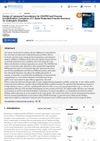
 This study reported that a novel cationic liposome formulation for delivering encapsulated Cas9 protein and sgRNA successfully decreased SRD5α2 mRNA expression by 29.7% in vitro, suggesting a potential alternative treatment option for conditions like prostate cancer and benign prostatic hyperplasia without current drug side effects.
 July 2023 in “International Journal of Cosmetic Science”
 This article reviews how biopolymers are utilized in cosmetics, highlighting their biodegradable and non-toxic properties, recent structural developments, novel applications, and safety considerations in the formulation of skin, hair, and oral care products.
October 2022 in “International Journal of Molecular Sciences” This study found that collagen peptides from Mozambique tilapia significantly promoted hair regrowth and increased the proliferation of hair growth factors in vitro and in vivo, suggesting potential as supplements for hair loss prevention.
9 citations
,
December 2021 in “Androgens” This review explores how androgen administration might help alleviate inflammation and mitochondrial impairment in traumatic brain injury but reports no new experimental findings, calling attention to the need for further investigation.
September 2025 in “International Journal of Molecular Sciences” This review reports on the potential for deucravacitinib, an oral TYK2 inhibitor approved for psoriasis, to treat various immune-mediated diseases, with emerging research suggesting possible uses in neurodegenerative diseases and certain cancers.
4350 citations
,
May 2012 in “Arthritis & Rheumatism” This study found that the new SLICC classification criteria for systemic lupus erythematosus were more sensitive and resulted in fewer misclassifications than the current ACR criteria, although they had lower specificity.