This study found that the Nap-F3K-CA hydrogel, when used on burn wounds, demonstrated effective antibacterial and anti-inflammatory properties, promoting accelerated skin repair, decreased wound infections, and improved healing processes, highlighting its potential as a clinical burn wound dressing.
January 2026 in “SSRN Electronic Journal” 55 citations
,
September 2020 in “Frontiers in Bioengineering and Biotechnology” This review discusses surface engineered metal-organic frameworks for wound healing and reports no new clinical results; it highlights their potential as antibacterial agents, therapeutic delivery systems, and wound dressings.

In an animal study, researchers observed that a Chromolaena odorata layered-nitrile rubber transdermal patch significantly improved wound contraction, protein, hexosamine, and uronic acid levels, and collagen deposition in healing excision wounds in rats compared to a control group with an empty patch.
32 citations
,
June 2021 in “Frontiers in Pharmacology” This study reports that Cur@CMCTS-Tk hydrogel effectively accelerated wound healing and tissue regeneration in rats by scavenging excess reactive oxygen species and protecting human fibroblasts from oxidative damage.
July 2024 in “Journal of Investigative Dermatology” Combining certain treatments, including FOL005, may improve healing of difficult wounds.
August 2026 in “bioRxiv (Cold Spring Harbor Laboratory)” In a diabetic rat model, this study found that a novel scaffold loaded with stem cell-conditioned medium primed by specific Chinese herbal compounds significantly reduced early inflammation and accelerated wound healing.
 November 2023 in “Advanced functional materials”
 This study suggests that inorganic magnesium silicate sprays can improve burn wound repair and promote regeneration of skin appendages, showing superior results compared to commercial wound healing products in animal models.
December 2025 in “ACS Applied Bio Materials” This study demonstrated that an aloe polysaccharide-collagen wound dressing improved wound healing by enhancing angiogenesis and reducing inflammation in vivo.
 37 citations
,
December 2024 in “Theranostics”
37 citations
,
December 2024 in “Theranostics” In this study, a newly developed nanoparticle-loaded hydrogel wound dressing demonstrated significant antibacterial, antioxidant, anti-inflammatory, and proangiogenic activities, effectively reducing pain and promoting healing in a murine burn wound model while preventing infection by *Staphylococcus aureus*.
 December 2024 in “Microbial Biosystems”
 This review article focuses on the application of marine-derived collagen in wound healing, emphasizing its advantages such as safety, biodegradability, and cost-effectiveness, with scaffold-based treatments showing superior wound-healing acceleration compared to traditional dressings.
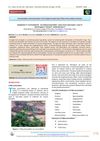 April 2023 in “International journal of pharmaceutical sciences review and research”
 This study concluded that an Emulgel formulation containing Tridax procumbens extract showed promising wound healing and antimicrobial activity, with improved physical properties in the F2 formulation.
3 citations
,
August 2024 in “Biomimetics” In this study, researchers developed a silk fibroin-based hydrogel with added curcumin and pluronic F127, which displayed antibacterial properties against Methicillin-resistant Staphylococcus aureus and showed potential for skin tissue regeneration, without cytotoxicity.
 November 2020 in “Ambiance in Life”
 This review discusses the use of wild plants in treating various skin diseases and reports no new clinical findings.
8 citations
,
October 2022 in “International Journal of Molecular Sciences” This study found that CLD-hFGF2 hydrogels improved healing in deep second-degree burn wounds more effectively than hydrogels alone or direct administration of CLD-hFGF2.

This study found that green tea extract showed more effective wound healing in rabbits with direct fire burns than an antibiotic ointment, particularly improving the skin's normal appearance and recovery rate.
 January 2020 in “Acta Scientiae Veterinariae”
 This case report describes a dog's third-degree burn successfully treated with hydrocolloid dressing, achieving effective healing and patient comfort compared to conventional methods.
January 2022 in “Faculty of 1000 Research Ltd” Aloe vera may help heal burns by boosting skin cell growth.
 September 2025 in “Cell Biochemistry and Function”
 In this study, ZnO nanoparticles synthesized with Ferulago angulata extract and doped with magnesium showed improved antioxidant, antibacterial, and antifungal properties, and facilitated faster wound healing and hair growth in a burn treatment model, although higher concentrations decreased cell viability.
3 citations
,
November 2021 in “Journal of biomedical materials research. Part B, Applied biomaterials” In a rabbit model, this study found that the AMFIBHA skin substitute promoted wound healing and regeneration of skin structures in large-area third-degree burn wounds, suggesting potential clinical use.
 4 citations
,
May 2023 in “Composites Part B: Engineering”
4 citations
,
May 2023 in “Composites Part B: Engineering” In this study, a novel nanocomposite hydrogel was developed for diabetic wound care, demonstrating superior tissue adhesion, antibacterial properties, and healing capabilities in vivo and in vitro, while also allowing real-time pH monitoring to aid clinical management.
 15 citations
,
January 2019 in “Mediators of inflammation”
15 citations
,
January 2019 in “Mediators of inflammation” This study concluded that Aloe vera fermentation significantly accelerates burn injury healing in rats by reducing inflammation and altering gut microbiota composition.
November 2025 in “Frontiers in Pharmacology” This review discusses the use of Traditional Chinese Medicine in burn treatment and details various herbs with potential therapeutic benefits, but reports no new clinical findings.
November 2025 in “Interdisciplinary materials” This study reports that a silk-based suture with integrated silver nanoparticles and curcumin shows potential for enhanced wound healing and infection prevention, offering multifunctionality and real-time wound monitoring capabilities.
12 citations
,
November 2012 in “Bulletin of experimental biology and medicine” Taxifolin-based treatments help skin heal after chemical burns.
 28 citations
,
March 2017 in “African Journal of Traditional Complementary and Alternative Medicines”
28 citations
,
March 2017 in “African Journal of Traditional Complementary and Alternative Medicines” This study found that linseed oil, rich in flavonoids and terpenoids, significantly improved burn wound healing in terms of faster contraction, reduced inflammation, and enhanced tissue regeneration compared to other treatments, without adverse effects.
11 citations
,
January 2018 in “IET Nanobiotechnology” In this study, poly (ɛ-caprolactone)–chitosan–poly (vinyl alcohol) nanofibrous scaffolds used on canine skin wound models were found to significantly accelerate healing rates of excision and burn wounds, without inducing immunogenic reactions.
December 2025 in “Jurnal Ilmiah Kesehatan (JIKA)” This study found that a 15% concentration of Wilalondahi bark extract gel significantly improved wound healing and reduced inflammation in mice, with wounds completely healed by day 9, demonstrating comparable effectiveness to the positive control.
 26 citations
,
January 1994 in “Clinics in Dermatology”
26 citations
,
January 1994 in “Clinics in Dermatology” This article reviews advancements in burn care, emphasizing early wound excision's role in decreasing morbidity and mortality, but it reports no new clinical findings.
2 citations
,
July 2024 in “Materials Today Communications” In this study, an injectable alginate hydrogel with Fibronectin3 was developed, demonstrating high biocompatibility and ability to enhance wound healing in mice, suggesting promise for clinical application in treating irregular wounds.