1 citations
,
July 2017 in “PubMed” This study describes two Danish cases of Cronkhite-Canada syndrome presenting with malnutrition and gastrointestinal issues; both patients underwent successful treatment and remission after developing colonic adenocarcinomas.
48 citations
,
June 2000 in “Japanese Journal of Cancer Research” This study found that dimethylarsinic acid significantly accelerates skin tumor development in hair follicle-targeted K6/ODC transgenic mice.
 5 citations
,
December 2011 in “Drug Research”
5 citations
,
December 2011 in “Drug Research” This study found that cortexolone 17α-propionate showed strong topical antiandrogenic activity, outperforming progesterone and several known antiandrogens, but lacked systemic antiandrogenic effects in animal models.
July 2023 in “JAAD Case Reports” 48 citations
,
August 1998 in “Developmental Biology” In this study, researchers created a mutant mouse lacking the first cut repeat in the Cux/CDP protein, resulting in curly vibrissae and wavy hair, supporting the role of Cux/CDP's DNA binding domains in gene regulation during development.
 19 citations
,
August 2023 in “Experimental & Molecular Medicine”
19 citations
,
August 2023 in “Experimental & Molecular Medicine” This study found that the CXXC5 protein is overexpressed in diabetic foot ulcer tissues, suppressing wound healing, and that the small molecule KY19334 accelerated healing in diabetic mice by activating the Wnt/β-catenin pathway.
This study presents the G4 transgenic mouse model, which suggests a direct link between polycystic ovary syndrome and the Gm10800 gene, offering a valuable tool for understanding the disease and testing treatments.
 38 citations
,
September 2006 in “Journal of Dermatological Science”
38 citations
,
September 2006 in “Journal of Dermatological Science” This study evaluated the effect of 2% ketoconazole lotion for androgenetic alopecia, but the results regarding its effectiveness on clinical appearance remained unclear.
February 2022 in “Cosmetic Dermatology”  2 citations
,
June 2022 in “Molecules”
2 citations
,
June 2022 in “Molecules” This study demonstrated that an ethanol extract of Connarus semidecandrus Jack showed potential anti-androgenic alopecia effects in a testosterone-induced model, suggesting a possible treatment option for hair loss.
October 2013 in “The American Journal of Gastroenterology” This case study reports a diagnosis of the rare Cronkhite-Canada syndrome in a 60-year-old man, who showed symptom improvement following treatment with prednisone and azathioprine.
 April 2018 in “The journal of investigative dermatology/Journal of investigative dermatology”
 This phase 2a trial evaluated Samcyprone for common wart treatment and found that while a sensitization reaction is necessary for therapeutic response, its level does not predict wart clearance.
 April 2023 in “The journal of investigative dermatology/Journal of investigative dermatology”
 In this study, a single subcutaneous dose of PTH-CBD showed similar hair regrowth to daily oral ruxolitinib in mice with alopecia, possibly through increased beta-catenin and anagen transition stimulation.
 6 citations
,
July 2005 in “Farmaco”
6 citations
,
July 2005 in “Farmaco” This study developed a micellar electrokinetic capillary chromatography method for determining minoxidil in Rogaine and generic products, offering a simple and efficient alternative to HPLC.
46 citations
,
November 2019 in “Journal of Integrative Plant Biology” This study found that calmodulin 7 (CaM7) inhibits the calcium channel CNGC14 in root hairs, affecting their polar growth by controlling calcium signaling.
1 citations
,
March 2022 in “Frontiers in Medicine” This case report highlights a rare instance of esophageal carcinoma in a patient with Cronkhite-Canada syndrome, emphasizing the importance of endoscopic surveillance for malignant gastrointestinal tumors in these patients.
January 2022 in “International journal of dermatology and venereology” This case study reports a 36-year-old man with KID syndrome caused by an N14Y GJB2 mutation, expanding the mutation spectrum of this condition in the Chinese population.
16 citations
,
June 1983 in “Journal of Neurochemistry” This study found that copper injections increased dopamine-β-hydroxylase activity in the brains of mottled mice, an animal model for Menkes' syndrome.
88 citations
,
July 2009 in “Experimental and Clinical Endocrinology & Diabetes”  November 2022 in “Journal of Investigative Dermatology”
 This study explores the role of cell competition in maintaining genomic quality in epidermal stem cells and proposes that this process might influence cancer development in skin tissues.
 16 citations
,
August 2004 in “Tetrahedron”
16 citations
,
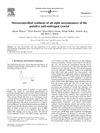
August 2004 in “Tetrahedron” In this study, all stereoisomers of cyoctol were synthesized and tested, revealing that contrary to initial patent claims, cyoctol does not function as an anti-androgen.
4 citations
,
January 1991 in “Dermatology” This article reviews literature on hair casts, shedding light on this rarely discussed hair disorder, along with a case report of a 5-year-old mistakenly treated for head lice.
 June 2026 in “World Journal of Gastrointestinal Pathophysiology”
 This review consolidates current knowledge about Cronkhite-Canada syndrome, highlighting its symptoms, diagnostic challenges, and evolving treatment strategies, but reports no new clinical results.
 5 citations
,
March 2005 in “Journal of The American Academy of Dermatology” December 2004 in “PLoS ONE”
5 citations
,
March 2005 in “Journal of The American Academy of Dermatology” December 2004 in “PLoS ONE” In this study, the Foxn1(-/-) nude phenotype was associated with an altered regulation of epithelial progeny in skin, offering a valuable model for investigating stem cell niche maintenance and regulation.
20 citations
,
December 2010 in “Journal of Morphology” In this study, researchers found that alpha-keratin homologs similar to those in mammalian hair are present in the claws of the lizard Anolis carolinensis, suggesting a structural role during claw formation.
33 citations
,
May 2017 in “Journal of Clinical Oncology” This phase I study reported that ETC-159, targeting Wnt signalling, showed tolerable safety profiles at doses that inhibit its pathway, though bone turnover markers increased, warranting early and regular monitoring. No tumor responses were observed, but two patients achieved stable disease for several cycles.
 May 2025 in “Cermin Dunia Kedokteran”
 This study describes Coats disease as a non-hereditary, idiopathic retinopathy characterized by abnormal retinal vascular development, noting common symptoms such as leukokoria and strabismus, and emphasizes the use of imaging techniques to differentiate it from retinoblastoma.
January 2005 in “日本機械学會論文集. C編” This study suggests that minoxidil sulfate and pinacidil do not activate K channel currents in hair follicles, indicating their hair growth effects may occur through other mechanisms like increased blood flow.