 August 2016 in “Journal of Investigative Dermatology”
 This study suggests that enhancing endocannabinoid tone with an EMT-inhibitor may have anti-inflammatory effects and slightly increase sebaceous lipid production, which could be beneficial for dry skin conditions.
2 citations
,
January 2009 in “Human cell culture” 12 citations
,
November 2007 in “Journal of Investigative Dermatology” CD200 is not a reliable marker for identifying stem cells in all skin types.
 1 citations
,
February 2022 in “Clinical, Cosmetic and Investigational Dermatology”
1 citations
,
February 2022 in “Clinical, Cosmetic and Investigational Dermatology” In this study, researchers found that the thyroxine receptor agonist TDM10842 accelerated the onset of anagen, a hair growth phase, in C3H mice, potentially through activation of the Wnt/beta-catenin and Hedgehog pathways, with Pclaf playing a key role in this process.
1 citations
,
November 2024 in “Blood” This study found that inhibiting the PI3Kδ enzyme in murine models of cutaneous chronic graft-versus-host disease (cGVHD) reduced skin scores and fibrosis, prevented pathogenic lymphoid structures, and improved survival, suggesting it as a promising therapeutic approach to address the disease's hypoxic pathophysiology.
 April 2023 in “Journal of Investigative Dermatology”
 This study found that in biopsied skin samples of alopecia areata, a lower anagen/telogen ratio was associated with increased T cell infiltration, and enhancing the PD-1/PD-L1 axis may inhibit CD8+T cell infiltration and improve the condition.
 April 2017 in “Journal of Investigative Dermatology”
 In laboratory tests and mouse models, this study found that the novel IPC analog SIG-1451 may offer potent anti-inflammatory effects for treating allergic skin inflammation, potentially outperforming some current therapies in specific inflammatory phases.
 April 2017 in “Journal of Investigative Dermatology”
 This study suggests that mutation-targeted siRNA therapy could potentially treat keratitis-ichthyosis-deafness syndrome by selectively reducing harmful GJB2 mutant gene expression in patient-derived keratinocytes.
 24 citations
,
July 2017 in “Structure”
24 citations
,
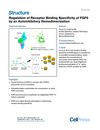
July 2017 in “Structure” In this study, researchers found that ligand homodimerization controls the receptor binding specificity of the FGF9 subfamily, preventing off-target activation of FGFR "b" isoforms.

This research found that liposome drug delivery systems, particularly with targeted modifications, show promise for improving effectiveness and reducing toxicity in combination cancer therapies.
 April 2015 in “Andrology”
 This special issue contains abstracts from the ASA 40th Annual Meeting, providing an overview of various studies without reporting new primary results.
 32 citations
,
June 2012 in “PLoS ONE”
32 citations
,
June 2012 in “PLoS ONE” This study found that locally injected zalutumumab in healthy volunteers induced a papulopustular rash similar to systemic EGFR inhibitors, and that IL-8 inhibition reduced this dermatological side effect.
 April 2016 in “Journal of Investigative Dermatology”
 This study found that the CD301b-expressing subpopulation of macrophages plays a crucial role in promoting reparative processes during the mid-stage of skin wound healing in a mouse model.
April 2026 in “Future Medicinal Chemistry” This article discusses the impact of PROTACs technology in transforming drug discovery with its novel degradation mechanism, but it reports no new experimental findings.
 April 2007 in “Nature Clinical Practice Urology”
 TICE salvage chemotherapy is effective for treating germ-cell tumors with poor prognosis.
1 citations
,
October 2024 in “European Journal of Histochemistry” In this study, researchers reported telocytes in the dermis of silky fowl embryos at different developmental stages, highlighting their immunophenotypes and interactions with other cells.
July 2024 in “Journal of Investigative Dermatology” Sex and race affect immune responses and treatment outcomes in Hidradenitis suppurativa.
17 citations
,
July 2024 in “Frontiers in Oncology” This review discusses recent advances in understanding Merkel cell carcinoma biology, including the development of genetically-engineered mouse models and potential therapeutic targets, but reports no new clinical results.
April 2026 in “Proceedings of the National Academy of Sciences” In this study, Tmem30b was identified as a key regulator of outer hair cell structure in mice, and its modulation may offer a therapeutic approach for certain types of hearing loss.
 2 citations
,
January 2022 in “BioMed Research International”
2 citations
,
January 2022 in “BioMed Research International” This study found that using an LED array with an 863 nm wavelength delayed tumor development and reduced systemic inflammatory cytokines in DMBA/TPA-induced mouse skin tumors, suggesting potential but limited benefits of light therapy.
 April 2017 in “The journal of investigative dermatology/Journal of investigative dermatology”
 In a guinea pig model of dermatophytosis, this study found that subcutaneous CD101, dosed once weekly, demonstrated significant clinical and mycological efficacy compared to the vehicle control and the oral antifungal terbinafine, suggesting potential for CD101 in treating fungal skin infections.

This study demonstrated that de novo designed bifunctional proteins can target and degrade BCL-xL, leading to cell apoptosis, suggesting a new approach to targeted protein degradation therapy.
 13 citations
,
June 2024 in “Asian Pacific Journal of Cancer Prevention”
13 citations
,
June 2024 in “Asian Pacific Journal of Cancer Prevention” The researchers reported that the ethyl ester group in YH239-EE may enhance its ability to induce cell death, making the (+) enantiomer a potentially promising therapy for breast cancer reflected in MCF7 cell studies.
 155 citations
,
May 2016 in “Nature communications”
155 citations
,
May 2016 in “Nature communications” This study found that mouse skin CD4(+) memory T cells are in equilibrium with the circulation under steady state but increase in specific clusters in response to infection or inflammation.
 1 citations
,
June 2022 in “Chinese medical journal/Chinese Medical Journal”
1 citations
,
June 2022 in “Chinese medical journal/Chinese Medical Journal” This study identified two novel mutations in the CDH3 gene causing HJMD in a Chinese patient, expanding the genetic and phenotypic understanding of the disorder.
 69 citations
,
January 2013 in “Frontiers in Immunology”
69 citations
,
January 2013 in “Frontiers in Immunology” This review summarizes existing knowledge on the role of FOXN1 as a key regulator of thymic epithelial cell lineage and function, reporting no new experimental results.
July 2024 in “Journal of Investigative Dermatology” Brepocitinib reduces interferon signaling in hidradenitis suppurativa patients.
October 2019 in “Al Mustansiriyah Journal of Pharmaceutical Sciences” This study found that the CTLA-4 gene polymorphism (rs733618) has no association with polycystic ovarian syndrome in the studied population.
This study introduced Cadd4, a peptide-based degrader developed using computer-aided drug design, which effectively reduced PCSK9 levels and increased LDL receptor expression, resulting in decreased plasma cholesterol and LDL-C levels in hypercholesterolemic mice, without liver toxicity.
April 2023 in “Journal of Investigative Dermatology” In this study, a mouse model of scarring alopecia demonstrated significantly reduced CD200R expression in affected skin, which may contribute to immune attacks on hair follicles.