 556 citations
,
September 2008 in “Genes & Development”
556 citations
,
September 2008 in “Genes & Development” This review summarizes how genetic studies using conditional β-catenin loss- and gain-of-function mice have advanced understanding of canonical Wnt signaling's role in embryonic development, adult stem cell maintenance, and cancer modeling.
2 citations
,
January 2025 in “International Journal of Molecular Sciences” This study found that chitosan nanoparticles containing Cordyceps militaris effectively reduced lung damage in mice exposed to fine particulate matter (PM2.5) by decreasing oxidative stress and preserving lung barrier integrity, suggesting potential as a therapeutic candidate for PM2.5-induced lung diseases.
 29 citations
,
December 2005 in “BioEssays”
29 citations
,
December 2005 in “BioEssays” This study found that Wnt/β‐catenin signaling influences the hair follicle regeneration process by prompting quiescent stem cells to enter the cell cycle and is necessary for maintaining the stem cell pool.
 199 citations
,
April 2010 in “Nature”
199 citations
,
April 2010 in “Nature” A gene called APCDD1, which controls hair growth, is found to be faulty in a type of hair loss called hereditary hypotrichosis simplex.
 27 citations
,
September 1992 in “The Lancet”
27 citations
,
September 1992 in “The Lancet” ICL is a condition with low CD4+ T cells like AIDS but not caused by HIV, and normal CD4+ T cell counts may vary between men and women.
October 2020 in “Faculty Opinions – Post-Publication Peer Review of the Biomedical Literature” This study discovered a novel mechanism by which germ stem cells exit their niche in C. elegans, involving thin membranous protrusions from adjacent somatic gonad cells.
 November 2023 in “bioRxiv (Cold Spring Harbor Laboratory)”
 This study used a novel fluorescent tagging method in mice to observe collagen IV dynamics during hair follicle development, revealing that alterations in basement membrane turnover can influence epithelial progenitor cell behavior and organ morphology by affecting cell proliferation and movement.
 1 citations
,
June 2022 in “Chinese medical journal/Chinese Medical Journal”
1 citations
,
June 2022 in “Chinese medical journal/Chinese Medical Journal” This study identified two novel mutations in the CDH3 gene causing HJMD in a Chinese patient, expanding the genetic and phenotypic understanding of the disorder.
3 citations
,
December 2024 in “Journal of Animal Science” In this study, researchers identified the lncRNA MSTRG.14227.1 in cashmere goats and found it inhibits the morphogenesis of secondary hair follicles by interacting with the chi-miR-433/ADAMTS3 signaling axis, affecting cashmere yield and quality.
3 citations
,
January 2025 in “Animal Genetics” In this study, researchers conducting a genome-wide association study on 263 adult female goats identified significant genomic variants linked to coarse hair diameter, particularly emphasizing a crucial region on Chromosome 10. These findings enhance understanding of the genetic factors influencing fiber diameter in goats.
 June 2007 in “Journal of Investigative Dermatology”
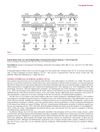
 Title change to "Central Centrifugal Cicatricial Alopecia (CCCA)"; common in African American women; hair-grooming methods may contribute; no effective therapy found; trials needed.
December 2022 in “Ecological Chemistry and Engineering S” This study synthesized indole-acenaphthylene compounds using a magnetic nanocatalyst and explored their photoluminescence properties for detecting copper ions in a mixed solvent system, achieving a detection limit of 9.5 ∙ 10 –6 M.
43 citations
,
September 2001 in “Annals of Neurology” This study found that somatic mosaic mutations in the doublecortin gene may cause subcortical band heterotopia in male patients, and molecular analysis using hair roots is a useful detection method.
 14 citations
,
August 2009 in “Cancer epidemiology”
14 citations
,
August 2009 in “Cancer epidemiology” This study found that AHCC significantly reduced alopecia caused by Ara-C in neonatal rats and improved liver function affected by 6-MP and MTX in mice.
April 2021 in “Journal of Investigative Dermatology”  21 citations
,
January 2013 in “Clinical Endoscopy”
21 citations
,
January 2013 in “Clinical Endoscopy” This study reports the first case in South Korea of Cronkhite-Canada syndrome associated with malignant colon polyp and serrated adenoma.
 1 citations
,
February 2025 in “Scientific Reports”
1 citations
,
February 2025 in “Scientific Reports” In this study, researchers found that CD4 is expressed on murine K5+ keratinocytes, and its expression is crucial for maintaining epidermal stem cell balance and wound repair capacity, particularly during aging.
August 2026 in “Acta Dermato Venereologica” This study found that women with central centrifugal cicatricial alopecia had a substantial prevalence of systemic comorbidities, including strong associations with dyslipidemia, uterine leiomyomas, and anxiety disorders.
May 2025 in “OPAL (Open@LaTrobe) (La Trobe University)” This study identified 4,942 differentially expressed genes between Jiangnan cashmere goats and Changthangi pashmina goats, enriching pathways like PI3K-Akt and thermogenesis, which may influence cashmere fiber quality, offering insights for their genetic improvement.
January 2026 in “Applied Sciences” In this study, cyclic ADP-ribose (cADPR) treatment in human hair follicle dermal papilla cells was associated with increased intracellular calcium retention and activated anagen-related signaling without causing significant cytotoxicity, indicating its potential impact on hair growth processes.
6 citations
,
December 2022 in “Journal of Infection” In this study, the ACE1 rs1799752 polymorphism was not found to predispose COVID-19 survivors to long-COVID symptoms, supporting previous findings that ACE2 and TMPRSS2 variants also do not influence post-COVID conditions.
November 2025 in “Journal of Investigative Dermatology” This study identified nine pathogenic variants in the PADI3 gene and variants in the S100A3 and TCHH genes in patients with central centrifugal cicatricial alopecia, suggesting a broader genetic basis for the disease and potential targets for genetic testing and therapies.
 April 2017 in “The journal of investigative dermatology/Journal of investigative dermatology”
 This study identified intramembrane proteolysis as a key feature of Astrotactin2 maturation, providing insights into its role in planar cell polarity hair patterning.
2 citations
,
September 1996 in “Journal of Applied Polymer Science” This study found that treating hair with aqueous KCN converts disulfide bonds to monosulfide crosslinks, affecting the elasticity and crosslink distribution in hair microstructures.
1 citations
,
June 2021 in “Journal of Korean Medicine for Obesity Research” Corni Fructus extract may help manage benign prostatic hyperplasia by reducing prostate cell growth and inflammation.
 December 2021 in “Journal of Investigative Dermatology”
 This study reports that inhibition of Wnt/β-catenin signaling disrupts hemidesmosome organization in keratinocytes by altering the localization of components like plectin and collagen XVII.
 9 citations
,
February 2022 in “Archives animal breeding/Archiv für Tierzucht”
9 citations
,
February 2022 in “Archives animal breeding/Archiv für Tierzucht” This study found that circRNA-0100 promotes differentiation of secondary hair follicle stem cells into hair lineage in cashmere goats by sequestering miR-153-3p, which enhances KLF5 expression.
12 citations
,
July 2015 in “Tissue Antigens” In this study, the AA genotype of C2 polymorphism was more frequently observed in Chinese patients with systemic lupus erythematosus than controls, indicating it may be a risk factor for the disease.
May 2025 in “OPAL (Open@LaTrobe) (La Trobe University)” This study identified 4,942 differentially expressed genes and key candidate genes involved in the hair follicle development and cashmere quality differences between Jiangnan and Changthangi goats, highlighting potential molecular targets for genetic improvement of cashmere goats.
 May 2025 in “Cellular Oncology”
 This study suggests that dual inhibition of P-cadherin and c-Met could be an effective treatment strategy for head and neck squamous cell carcinoma by targeting resistant tumor cells.