 22 citations
,
January 2021 in “Pharmacognosy Journal”
22 citations
,
January 2021 in “Pharmacognosy Journal” This review discusses the traditional uses, phytochemical, and pharmacological studies on Ageratum conyzoides, Tridax procumbens, and Bidens pilosa, emphasizing the need for further clinical research into their medicinal potential, but it does not report new results.
 20 citations
,
March 2005 in “Current Medicinal Chemistry”
20 citations
,
March 2005 in “Current Medicinal Chemistry” This study reports that newly synthesized steroidal trienones exhibit higher 5α-reductase inhibitory activity than dienones in various biological models, suggesting potential use in treating androgen-dependent diseases.
 10 citations
,
January 2022 in “Scholars international journal of anatomy and physiology”
10 citations
,
January 2022 in “Scholars international journal of anatomy and physiology” This review discusses Aloe Vera's traditional uses and active components but reports no new clinical results, emphasizing its potential benefits from wound healing to hair growth.
 January 2026 in “Food and Feed Research”
 This review highlights the traditional medicinal uses, phytochemical composition, and pharmacological properties of Musa paradisiaca, noting its applications in treating diarrhea and other conditions, and identifying key bioactive compounds with antimicrobial, antioxidant, and other bioactivities through in vitro and in vivo studies.
 August 2025 in “International Journal of Applied Pharmaceutics”
 This study developed a stable nanoemulsion-based hair serum containing M. oleifera seed oil, which maintained its physical characteristics and reduced the oil's sticky texture, making it more suitable for hair loss treatment compared to traditional formulations.
 June 2024 in “Okayama University Scientific Achievement Repository (Okayama University)”
 In this study, methanol extracts from Thai-colored rice fermented with Aspergillus molds exhibited an increase in polyphenolic content and antioxidant activity, outperforming Thai white and Japanese white rice, notably transforming key polyphenols like quercetin and ferulic acid.
 December 2023 in “International Journal of Applied Pharmaceutics”
 This study found that 12.5% moringa seed oil demonstrated optimal anti-alopecia activity in rabbits, significantly improving hair weight compared to the treatment with 0.1% finasteride.
 1 citations
,
January 2017 in “Springer eBooks”
1 citations
,
January 2017 in “Springer eBooks” This review discusses the role of flavonoids and Nod factors in the symbiosis between legumes and rhizobia and reports no new results; the authors argue this knowledge could enhance sustainable agriculture.
1 citations
,
December 1913 in “Biochemical Journal” This article reviews the historical discovery and validation of isocholesterol, confirming its identity as a distinct sterol but reports no new research findings.
 1 citations
,
February 2014 in “Archiv Der Pharmazie”
1 citations
,
February 2014 in “Archiv Der Pharmazie” This study demonstrated that steroidal carbamates 7–10 altered mRNA expression related to lipid metabolism in hamster flank organs and inhibited 5α-reductase activity without binding to the progesterone receptor.
 October 2023 in “Journal of the American Academy of Dermatology”
 This source reports that clascoterone cream has been approved in the U.S. for treating acne vulgaris in patients aged 12 and older, suggesting it works by competing with dihydrotestosterone at androgen receptors to mitigate acne's effects.
 5 citations
,
December 2011 in “Drug Research”
5 citations
,
December 2011 in “Drug Research” This study found that cortexolone 17α-propionate showed strong topical antiandrogenic activity, outperforming progesterone and several known antiandrogens, but lacked systemic antiandrogenic effects in animal models.
January 2002 in “Chinese Journal of Pharmaceuticals” This study reports the preparation of a key intermediate for finasteride and epristeride with a 69% overall yield from pregnenolone acetate.
4 citations
,
October 2024 in “Heliyon” This study characterized the CYP154C7 enzyme from *Streptomyces* sp. PAMC26508, highlighting its ability to hydroxylate steroids efficiently, particularly androstenedione, and identified key amino acids important for substrate selectivity and catalytic efficiency.
March 2019 in “Reactions Weekly” 12 citations
,
February 2023 in “Applied and Environmental Microbiology” This study reported that structure-guided engineering of CYP154C2 mutants significantly improved the 2α-hydroxylation of androstenedione and testosterone, with enhanced conversion efficiency and substrate selectivity compared to the wild-type enzyme.
87 citations
,
April 1973 in “Endocrinology” This study found that in hamster flank organs, 17βC inhibited enlargement caused by topical testosterone but not by DHT, suggesting potential use in androgen-related skin disorders like acne.
September 1978 in “Journal of steroid biochemistry/Journal of Steroid Biochemistry” This review discusses the antimicrobial and protective effects of hesperidin and hesperetin against various toxicities, with potential mechanisms explored, but it reports no new research findings.
 December 2025 in “Scientific Reports”
 In this study, cedrol was found to reduce lipid accumulation in the liver and adipose tissues of dexamethasone-treated mice by antagonizing glucocorticoid receptors, suggesting its potential utility in treating dexamethasone-induced lipid metabolism disorders.
 9 citations
,
November 2012 in “Biomolecules & therapeutics”
9 citations
,
November 2012 in “Biomolecules & therapeutics” This study found that diphlorethohydroxycarmalol significantly increased prostaglandin $E_2$ synthesis in HaCaT human keratinocytes by upregulating COX-1 and COX-2 expression, suggesting potential benefits from elevated $PGE_2$ production.
 19 citations
,
June 1999 in “Steroids”
19 citations
,
June 1999 in “Steroids” This study found that compound 10 inhibited testosterone conversion to DHT in hamster flank organs and seminal vesicles, whereas compound 11's inhibitory effect varied with dose, linked to halogen electronegativity differences.
 16 citations
,
August 2004 in “Tetrahedron”
16 citations
,
August 2004 in “Tetrahedron” In this study, all stereoisomers of cyoctol were synthesized and tested, revealing that contrary to initial patent claims, cyoctol does not function as an anti-androgen.
July 2023 in “LA Referencia (Red Federada de Repositorios Institucionales de Publicaciones Científicas)” This study evaluated the resin oil of Copaifera officinalis L., identifying 64 compounds and developing validated analytical methods for quality control, and formulated a stable pharmaceutical foam, laying groundwork for potential clinical applications of copaiba oil.
 5 citations
,
January 2014 in “Asian Journal of Chemistry”
5 citations
,
January 2014 in “Asian Journal of Chemistry” This study developed a simple and cost-effective chromatographic method for simultaneously analyzing betamethasone dipropionate and calcipotriol, achieving rapid separation within 7 minutes suitable for routine applications.
1 citations
,
December 2011 in “Arzneimittelforschung” This study found that the compound 9,11-dehydrocortexolone 17alpha-butyrate (CB-03-04) showed strong local antiandrogenic activity in animal models, suggesting potential for treating prostate conditions.
 June 2021 in “International Journal of Ayurvedic Medicine”
 This study found that humulen, a phytoconstituent of Cyperus Rotundus Linn., showed the highest binding affinity in molecular docking with the 5 α reductase enzyme, suggesting potential anti-androgenic effects for hirsutism treatment.
 3 citations
,
January 2003 in “Synthetic Communications”
3 citations
,
January 2003 in “Synthetic Communications” This research describes the synthesis of 16β-chloro- and 16β-bromo-cyproterone acetate, detailing the chemical processes involved, but reports no clinical outcomes.
 April 2016 in “Annals of laboratory medicine”
 The researchers reported that epitestosterone treatment reduced eicosanoid levels generated by cyclooxygenases and lipoxygenases in rabbit liver samples with carrageenan-induced inflammation.
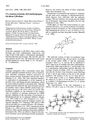 December 1998 in “Acta Crystallographica Section C-crystal Structure Communications”
 This study describes the molecular conformation and intermolecular interactions in the crystalline structure of the compound C24H31BrO4.
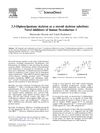 13 citations
,
August 2007 in “Bioorganic & medicinal chemistry letters”
13 citations
,
August 2007 in “Bioorganic & medicinal chemistry letters” This study developed a new competitive 5alpha-reductase inhibitor with an IC(50) of 0.84 microM using a novel chemical structure.