3 citations
,
February 1943 in “The American journal of digestive diseases/American journal of digestive diseases” Riboflavin helps heal bed sores, inositol aids skin diseases, and calcium pantothenate doesn't prevent gray hair.
3 citations
,
December 2010 in “Annals of tropical paediatrics” In this study, the authors reported that while conventional treatment improved rickets in a boy with vitamin D-dependent rickets type II, it also resulted in unexpected improvement in his alopecia.
1 citations
,
May 2021 in “Thyroid Research and Practice” This study found that low-dose radioactive iodine therapy for hyperthyroidism and thyroid cancer produced short-term adverse effects like loss of taste, xerostomia, and hair loss, which were self-limiting.
24 citations
,
August 2009 in “Expert opinion on pharmacotherapy” This article highlights the benefits of combining calcipotriene and betamethasone for treating localized plaque-type, scalp, and nail psoriasis, enhancing effectiveness while reducing side effects compared to single-agent therapies.
 61 citations
,
March 1990 in “Clinical pharmacology and therapeutics/Clinical pharmacology & therapeutics”
61 citations
,
March 1990 in “Clinical pharmacology and therapeutics/Clinical pharmacology & therapeutics” In this study, albendazole treatment in patients with hydatid disease was associated with decreased microsomal enzyme function and induced its own metabolism, but also showed potential hepatotoxicity and severe side effects, necessitating careful monitoring.
 1 citations
,
January 2022 in “Wiadomości Lekarskie”
1 citations
,
January 2022 in “Wiadomości Lekarskie” In this study, GERD symptoms were found to be significantly related to acid exposure time and the intensity of excessive daytime sleepiness, which depends on circulating ghrelin levels.
June 2025 in “British Journal of Dermatology” This study investigated premature greying and found lower levels of vitamin D and vitamin B12 in affected individuals compared to controls, associating micronutrient deficiencies with altered hair pigmentation, though no significant link between micronutrient deficiencies and inflammatory markers was observed.
2 citations
,
October 2016 in “Nutrition in clinical practice” This case report describes a rare instance of reversible melasma-like hyperpigmentation linked to vitamin B12 deficiency due to pernicious anemia, and explores possible mechanisms for this association.
13 citations
,
May 2019 in “Evidence-based Complementary and Alternative Medicine” This study found that Callicarpa nudiflora water extract significantly accelerated wound healing and improved skin repair in deep second-degree scalds in rats, supporting its traditional medicinal use.
5 citations
,
January 2016 in “BLDE University Journal of Health Sciences” This study observed that Kasisa Bhasma is safer and less toxic than Shodhita Kasisa, particularly at higher doses, when administered to experimental rats.
 9 citations
,
November 2012 in “Biomolecules & therapeutics”
9 citations
,
November 2012 in “Biomolecules & therapeutics” This study found that diphlorethohydroxycarmalol significantly increased prostaglandin $E_2$ synthesis in HaCaT human keratinocytes by upregulating COX-1 and COX-2 expression, suggesting potential benefits from elevated $PGE_2$ production.
35 citations
,
February 2002 in “Journal of Radiological Protection” This study found that intramuscular caffeine improved radiation-induced skin reactions in mouse legs but did not affect tumor responses, suggesting potential benefits in cancer radiotherapy.
 January 2020 in “Medpulse International Journal of General Medicine/Medpulse International Journal of Medicine”
 In this study, among 50 patients with premature hair graying, the combination of biotin, zinc, and calcium pantothenate showed no significant efficacy in treating the condition, and the researchers observed associations with other disorders such as anemia, alopecia areata, thyroid disorder, and vitiligo.
6 citations
,
April 2012 in “PubMed” This case report describes a 33-year-old Indian male with Cronkhite-Canada syndrome who experienced complete symptom recovery within 5 months after starting a high protein diet, proton pump inhibitors, and zinc-vitamin supplements.
2 citations
,
July 2022 in “Indian Journal of Dermatology Venereology and Leprology” This study found that patients with premature greying of hair had significant abnormalities in cardiovascular risk markers, including elevated IL-6 levels, compared to healthy controls.
52 citations
,
May 1982 in “The American journal of the medical sciences” This study found that the most likely cause of hypercalcemia in a patient with symptoms of hypervitaminosis A and a history of chronic vitamin A ingestion was vitamin A toxicity.
4 citations
,
January 1989 This study found that growth affects selenium deposition in hair, nails, and other tissues of adult and weanling rats, indicating dietary and physiological factors may influence selenium levels.
5 citations
,
January 1976 in “Acta Dermato Venereologica” This study found that sodium and potassium hair levels may serve as sex-specific indicators, with slight differences in copper and iron content between males and females, particularly during the female reproductive period.
11 citations
,
August 1948 in “Journal of Investigative Dermatology” In this study, oral calcium pantothenate was associated with improvement in the inflammatory phase of discoid lupus erythematosus of the scalp, with the most marked response observed in subacute cases.
 5 citations
,
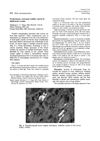
September 1989 in “Journal of The American Academy of Dermatology”
5 citations
,
September 1989 in “Journal of The American Academy of Dermatology” This article reports that cocaine injections can lead to skin lesions containing talc crystals at the sites of injection.
July 2024 in “The Egyptian Journal of Hospital Medicine” In this study, researchers observed that serum calprotectin levels were higher in alopecia areata patients compared to controls, yet this difference was not statistically significant, and calprotectin was not a reliable predictor of disease activity in alopecia areata patients.
September 2016 in “Case Reports in Internal Medicine” This case report presents a patient with diabetes mellitus thought to be secondary to chronic arsenic exposure, highlighting the potential need to evaluate heavy metal toxicity in similar cases.
2 citations
,
February 1990 in “PubMed” In this study, 1,25-dihydroxyvitamin D3 inhibited growth and promoted differentiation in normal hair follicle cells but did not affect cells from a patient with vitamin D-dependent rickets type II, assisting in potential rapid diagnosis of the condition.
 April 2026 in “International Journal of Homoeopathic Sciences”
 This case study reports that individualised homoeopathic treatment with Calcarea carbonica led to noticeable improvement in acne vulgaris for a 27-year-old woman over six months, after conventional treatments failed to produce significant results.
17 citations
,
January 2009 in “Plant cell monographs” 1 citations
,
August 2008 in “Plant cell monographs” January 2013 in “Cahiers Pedagogiques” This review examines how calorie restriction affects stem cell potency and tissue regeneration, indicating potential benefits for aging-related pathologies across various mammalian systems but presents no new findings.
3 citations
,
May 1994 in “Journal of Pharmacology and Experimental Therapeutics” This study found that minoxidil sulfate stimulates Cl channels, potentially depolarization-activated and outwardly rectifying, in eccrine clear cells, while minoxidil itself stimulates Ca-insensitive K currents.
 August 2026 in “Zenodo (CERN European Organization for Nuclear Research)”
 In this N=1 case study, researchers observed that a 1 g daily dose of vitamin C successfully elevated plasma vitamin C levels in an adult male following a zero-carbohydrate diet, with reported improvements in some health parameters but no gastrointestinal side effects.