1 citations
,
October 2025 in “International Journal of Molecular Sciences” This narrative review highlights the potential of naturally occurring compounds to target specific molecular pathways and overcome resistance in advanced and recurrent papillary thyroid cancer, offering new therapeutic possibilities beyond traditional treatments like surgery and lifelong hormone replacement.
 1 citations
,
August 2022 in “BMC Plant Biology”
1 citations
,
August 2022 in “BMC Plant Biology” Melatonin helps broccoli roots produce anti-cancer compounds by controlling nitric oxide and hydrogen peroxide levels.
1 citations
,
January 2018 This review discusses factors affecting thyroid function and Hashimoto's thyroiditis, mentioning treatment options, but reports no new clinical findings; the need for nutrient consideration is emphasized.

This review categorizes contractile hydrogels by their contraction mechanisms and explores their role in advanced wound management, emphasizing mechanical and biochemical signaling in healing, but also notes challenges like force transmission and clinical applicability.
 July 2026 in “Pharmaceuticals”
 This review highlights significant research trends and challenges in utilizing plant-derived extracellular vesicles for drug delivery and biomedical applications, emphasizing the need for standardized protocols and advanced purification technologies.
July 2026 in “IntechOpen eBooks” This research highlights the crucial roles of B vitamins in metabolism, neurological processes, and DNA functions, and describes emerging therapies that enhance vitamin absorption and therapeutic potential.
 April 2026 in “Biomedicines”
 This study introduces a novel holistic treatment approach for keloid that combines systemic therapies, including Traditional Chinese Medicine, with local interventions to target the inflammatory microenvironment and keloid predisposition for improved management and prevention of recurrence.
January 2026 in “International Journal of Molecular Sciences” This review discusses the diverse industrial applications of hemp beyond traditional fiber uses, highlighting its phytochemical components with antioxidant and antimicrobial properties that are explored in agrochemicals, cosmetics, and food sectors.
 December 2025 in “Journal of Integrated Standardized Homoeopathy”
 This case report describes the use of individualized homoeopathic treatment and dietary modifications to manage hypothyroidism in a 23-year-old woman, resulting in symptom improvement and normalized TSH levels after tapering off levothyroxine.
 January 2025 in “Nutrients”
 In this study, researchers found that specific genetic variations at loci rs1160312, rs6113491, and rs1041668 are independent risk factors for androgenetic alopecia in men, and these risks can be influenced by diet.

This study found that protein hydrolysates from mealworms, especially those derived using flavourzyme, significantly enhance adipogenic differentiation in 3T3-L1 preadipocytes, suggesting their potential as sustainable ingredients for glycemic control, skin health, and tissue regeneration products.
 January 2025 in “Applied Sciences”
 This review examines sulforaphane's interactions with hormone-mediated health conditions, focusing on gender-specific health issues, but reports no new original research findings.
April 2024 in “International journal of molecular sciences” This source reports that for treating keloids and hypertrophic scars, combination pharmacotherapy targeting multiple sites is generally more effective than using a single drug, though outcomes of individual therapies vary and the development of satisfying treatments is ongoing.
March 2024 in “Journal of functional biomaterials” This study demonstrated that a strain of lactic acid bacteria from kimchi, identified as Pediococcus inopinatus, showed antibacterial activity against certain oral pathogens and effectively bleached stained artificial teeth and inhibited biofilm formation, offering potential for addressing teeth discoloration and halitosis.
 February 2024 in “Curēus”
 This review highlights the critical importance of a balanced diet, with adequate proteins, vitamins, and minerals, to support skin health and potentially treat inflammatory skin conditions like psoriasis and atopic dermatitis, emphasizing the need for evidence-based dietary guidance.
 February 2024 in “Molecules/Molecules online/Molecules annual”
 In this study, NMN was found to reverse hair follicle atrophy, thinning, and sparsity in mice induced by DHT, and significantly decreased DHT-induced inflammation and oxidative stress in cultured human dermal papilla cells, enhancing hair growth-related markers.
October 2023 in “Applied sciences” In this study, Iris germanica L. rhizome-derived exosomes were found to reduce oxidative stress, enhance antioxidant enzyme transcription, and restore cellular function in human epidermal keratinocytes, suggesting potential protective effects against oxidative-stress-induced skin damage.
In this study, six types of cold-pressed oils commonly found in the Polish market were analyzed for their health-promoting compounds and antioxidant activity, revealing them as valuable sources of bioactive compounds like polyunsaturated fatty acids, tocopherols, sterols, and polyphenols, without exceeding recommended deterioration parameters.
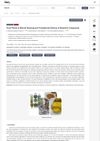
This review highlights the potential of plant-derived natural compounds as biocompatible and biodegradable materials in dermal and transdermal delivery systems, emphasizing their unexplored benefits and detailing recent advances in isolation techniques and drug delivery technologies.
 May 2023 in “Scientific Reports”
 This study found that Lepidium sativum seed extract showed potential in treating alopecia in rats by reducing 5(alpha)-dihydrotestosterone levels and improving hair length compared to minoxidil.
November 2020 in “IntechOpen eBooks” This review discusses the role of mineral nutrients in human health, emphasizing the importance of dietary sources and education to prevent mineral deficiencies, and reports no new clinical results.
Men need essential vitamins like D, B Complex, and A for health, and should consult doctors for personalized advice.
March 2017 in “Zenodo (CERN European Organization for Nuclear Research)” This study found that probiotics, specifically the L. plantarum MTCC 1325 strain, may have protective effects against Alzheimer's-like symptoms induced by D-Galactose in animal models, suggesting potential therapeutic use for neurodegenerative disorders.
This review discusses the role of the Wnt/β-catenin pathway in hair follicle development and how natural products that activate this signaling could be used to treat hair loss, but it reports no new experimental results.
November 2025 in “Probiotics and Antimicrobial Proteins” 5 citations
,
October 2022 in “Biology” This study found that CAP1 plays a significant role in reducing ammonium toxicity in Arabidopsis thaliana by promoting shoot growth and maintaining reactive oxygen species homeostasis.
 September 2025 in “Brazilian Journal of Hair Health”
 This abstract highlights that Theobroma cacao, commonly associated with chocolate, has potential benefits for hair health beyond its culinary appeal, though specific results are not reported.
 2 citations
,
July 2023 in “Plant Disease”
2 citations
,
July 2023 in “Plant Disease” In this study, researchers examined 120 inbred maize lines infected with Fusarium graminearum, discovering that some demonstrated significant resistance to stalk rot, correlated with specific gene pathways. This highlights potential genes and pathways for enhancing disease resistance in maize.
 April 2026 in “Journal of Microbiology Biotechnology and Food Sciences”
 This study found that Carthamus caeruleus (L.) leaf extracts possess higher antioxidant and antibacterial activities compared to rhizome extracts, and are rich in phenolic and flavonoid compounds, suggesting potential use as a natural therapeutic agent.
 February 2020 in “Definitions”
 This article discusses a proprietary botanical lotion with potential to reverse chemotherapy-induced alopecia, restore hair cycles, and improve patient wellbeing; however, it reports no new clinical results.