 37 citations
,
September 2003 in “Journal of Medicinal Chemistry”
37 citations
,
September 2003 in “Journal of Medicinal Chemistry” This study found that compound 2g inhibits steroid sulfatase effectively without exhibiting estrogenic activity, making it a promising candidate for breast cancer treatment.
![Patent Evaluation: Hexahydrobenzo[f]quinolines as 5α-Reductase Inhibitors](/images/assets/1634373b-f615-46c7-a157-21394e3366be/small/21095.jpg) June 1993 in “Current opinion in therapeutic patents”
June 1993 in “Current opinion in therapeutic patents” This study reports that novel hexahydrobenzoquinolin compounds fully inhibited 5α-reductase activity in human genital skin fibroblasts, suggesting their potential for treating conditions like benign prostatic hyperplasia and male pattern baldness.
9 citations
,
April 1970 in “Biochemical pharmacology” This study found that stilbamidine and hydroxystilbamidine can inhibit the release of specific enzymes from lysosomes and mitochondria in rabbit liver at certain concentrations, with effects similar to cortisol and chloroquine.
8 citations
,
January 2019 in “Journal of cosmetic dermatology” This study found that six sessions of a modified phenol peel effectively reduced hyperpigmentation in patients with Lichen Planus Pigmentosus, with 76% of treated individuals experiencing at least a 25% improvement, and no serious side effects reported.
 6 citations
,
October 2016 in “Food Science and Biotechnology”
6 citations
,
October 2016 in “Food Science and Biotechnology” This study found that the water extract of Bituminaria bituminosa demonstrated the highest antioxidant activity and α-glucosidase inhibition among tested extracts, but no cholinesterase or tyrosinase inhibition.
December 2023 in “Bulletin of Pharmaceutical Sciences Assiut” In this study, GC/MS analysis revealed variability in the quality of Syrian herbal formulations for BPH, with variations in tocopherol content, presence of parabens, and shortages of certain phytosterols.
6 citations
,
January 2016 in “Indian Journal of Dermatology Venereology and Leprology” This study found that the majority of "hypoallergenic" hair dyes still triggered allergic reactions in patients sensitive to para-phenylenediamine.
 111 citations
,
August 2002 in “Journal of Medicinal Chemistry”
111 citations
,
August 2002 in “Journal of Medicinal Chemistry” This study reports that 2-(1-Adamantyl)-4H-thiochromen-4-on-6-O-sulfamate is the most potent steroid sulfatase inhibitor identified so far, exhibiting 170-fold higher activity than the lead compound estrone sulfamate.
1 citations
,
January 2014 in “Asian Journal of Chemistry” This study identified the structures of cyclohexyl and phenyl analog impurities in finasteride using HPLC and spectral analysis.
 11 citations
,
August 2007 in “Bioorganic & Medicinal Chemistry Letters”
11 citations
,
August 2007 in “Bioorganic & Medicinal Chemistry Letters” This study found that among the tested analogs, compound 4e was the most effective in inhibiting wax esters in vivo in the Golden Syrian hamster ear model.
This chapter reviews various types of aromatic compounds and provides references, but reports no new experimental results.
7 citations
,
March 1990 in “Pigment Cell Research” This animal study observed that while topical MBEH and intraperitoneal phenol induced hair graying in eumelanic mice, they had little effect on pheomelanic mice, and amcinonide reduced certain epidermal melanocytes in both.
 May 2024 in “KIU journal of health science”
 In this study, kolaviron and quercetin were found to reverse elevated biomarkers associated with testosterone-induced benign prostatic hyperplasia in Wistar rats, with both treatments effectively increasing HDL-c levels, though quercetin did not significantly affect triglyceride levels.
 2 citations
,
July 2025 in “Discover Chemistry.”
2 citations
,
July 2025 in “Discover Chemistry.” This study explored the optimization of phytochemicals from Alstonia boonei to develop potential 5-alpha reductase inhibitors for Benign Prostatic Hyperplasia, finding promising analogs with enhanced binding affinity and stability compared to Finasteride, warranting further experimental validation.
 16 citations
,
June 2019 in “Industrial Biotechnology”
16 citations
,
June 2019 in “Industrial Biotechnology” In this study, researchers found that the conventional solvent extraction method yielded the highest polyphenol content and antioxidant activity from Ascophyllum nodosum seaweed on Québec's North Shore.
 7 citations
,
January 2009 in “Journal of Pharmacy Research”
7 citations
,
January 2009 in “Journal of Pharmacy Research” This study found that fractions of Tridax procumbens extract demonstrated significant antioxidant activity, comparable to standard ascorbic acid, in laboratory tests.
 45 citations
,
January 2020 in “International Journal of Molecular Sciences”
45 citations
,
January 2020 in “International Journal of Molecular Sciences” This review discusses the potential of plant polyphenols to overcome multidrug resistance in various solid cancers and reports no new experimental results; further research is suggested.
 20 citations
,
June 2022 in “Molecules”
20 citations
,
June 2022 in “Molecules” This review discusses three classes of thiazole-bearing compounds in drug development and presents preclinical findings but reports no new experimental results, highlighting the need for further drug discovery.
 8 citations
,
March 2002 in “Archiv Der Pharmazie”
8 citations
,
March 2002 in “Archiv Der Pharmazie” In this study, 4-(4-(phenylaminocarbonyl)benzoyl) benzoic acid exhibited the strongest inhibitory activity against the human type 2 steroid 5α-reductase isozyme among the compounds tested.
 2 citations
,
April 2024 in “Science & Technology Indonesia”
2 citations
,
April 2024 in “Science & Technology Indonesia” In this study, extracts from the bark of Albizia saponaria, particularly the ethyl acetate fraction, showed significant antioxidant activity, potentially due to its high phenolic and flavonoid content, suggesting its usefulness as a source of antioxidants for pharmaceutical formulations.
10 citations
,
March 2010 in “Journal of Food Biochemistry” This study found that Sithong-bao seed coat extract, with high phenolic content, exhibited the strongest antioxidant properties among certain Thai tamarind cultivars, suggesting potential for nutraceutical development.
 January 2010 in “Yearbook of Endocrinology”
 Two new compounds can block androgen receptor activity in different ways and may lead to new treatments for androgen-related diseases.
2 citations
,
September 1992 in “Steroids” The researchers reported that compounds 11 to 13 derived from Westphalen-type steroids showed strong antiandrogenic activity in vivo, though their effects could not be attributed to 5α-reductase inhibition or androgen receptor binding.
 3 citations
,
November 2017 in “International Journal of Pharmacy and Pharmaceutical Sciences”
3 citations
,
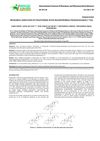
November 2017 in “International Journal of Pharmacy and Pharmaceutical Sciences” This study identified new oxidative derivatives of finasteride, including a newly discovered metabolite, by using the fungus Macrophomina phaseolina.
 January 2018 in “Computational Toxicology”
 This review introduces pharmacophore technology and discusses its applications in toxicity prediction and limits, but reports no new clinical results.
79 citations
,
January 1975 in “Food and Cosmetics Toxicology” In this study, oxidation hair dye formulations tested on mice showed no evidence of causing systemic toxicity or cancer over an 18-month period.
This study found that men with early-onset androgenic alopecia may be partially resistant to the cardiometabolic benefits of bromocriptine compared to those with normal hair growth.
 119 citations
,
October 1992 in “Fundamental & Clinical Pharmacology”
119 citations
,
October 1992 in “Fundamental & Clinical Pharmacology” This review discusses the pharmacological properties and therapeutic potential of K+ channel opening compounds, noting their prospective use in treating cardiovascular and respiratory conditions, but reports no new results.
 13 citations
,
August 2007 in “Bioorganic & medicinal chemistry letters”
13 citations
,
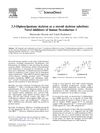
August 2007 in “Bioorganic & medicinal chemistry letters” This study developed a new competitive 5alpha-reductase inhibitor with an IC(50) of 0.84 microM using a novel chemical structure.
2 citations
,
November 2009 in “DSpace (Federal University of Santa Catarina)” Brunfelsia uniflora has good antioxidant properties and moderate antibacterial activity.