This study found that pediatric alopecia areata patients had significantly lower serum BDNF levels compared to healthy controls, which were associated with greater alopecia severity, higher depressive symptoms, and poorer quality of life.
 June 2026 in “Zenodo (CERN European Organization for Nuclear Research)”
 In this review, researchers highlighted E. alba (bhringraj) for its traditional uses in treating liver and hair growth issues, skin conditions, and digestive health, emphasizing its purported benefits like hair growth promotion and liver function enhancement.
 1 citations
,
May 2025 in “International Journal of Applied Pharmaceutics”
1 citations
,
May 2025 in “International Journal of Applied Pharmaceutics” This study formulated a nanogel with Bangkal bark extract that showed moderate antibacterial activity against Propionibacterium acnes, with the F3 formulation (8% extract) achieving the highest inhibition zone of 8 mm, suggesting potential as a natural acne treatment.
January 2025 in “SSRN Electronic Journal”  October 2022 in “International journal of pharmaceutical sciences review and research”
 This study compared the antioxidant and antidiabetic activities of Hibiscus rosa-sinensis leaf extract and Eclipta alba bark extract, finding that Hibiscus rosa-sinensis exhibited greater antidiabetic activity, whereas Eclipta alba demonstrated stronger antioxidant activity.
August 2026 in “European Journal of Pharmacology”  55 citations
,
March 2009 in “Journal of The American Academy of Dermatology”
55 citations
,
March 2009 in “Journal of The American Academy of Dermatology” This study found that latanoprost and bimatoprost, when applied cutaneously to the eyelids, did not induce appreciable eyelash regrowth in patients with alopecia areata over 16 weeks.
This study mapped potential targets and pathways for baicalin's action in androgenic alopecia, suggesting it may inhibit 5α-reductase and serve as an effective treatment ingredient.
 February 2024 in “Journal of Cosmetic Dermatology”
 This clinical trial found that combining fractional CO2 laser with bimatoprost solution significantly improved alopecia areata treatment outcomes compared to bimatoprost alone, as measured by a more substantial reduction in SALT scores and higher patient satisfaction over 12 weeks.
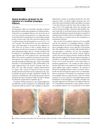 22 citations
,
September 2004 in “Journal of The European Academy of Dermatology and Venereology”
22 citations
,
September 2004 in “Journal of The European Academy of Dermatology and Venereology” Bimatoprost can cause longer, thicker, darker eyelashes and eyebrows.
1 citations
,
January 2007 in “Chinese Journal of Dermatology” In this in vitro study, baicalin promoted human hair follicle growth, potentially by enhancing VEGF secretion by dermal papilla cells.
2 citations
,
January 1990 2 citations
,
January 2020 in “Evidence-based Complementary and Alternative Medicine” This study found that Hataedock may alleviate atopic dermatitis symptoms in mice by maintaining skin homeostasis and improving skin barrier formation through the endocannabinoid system.
 October 2022 in “International Journal of Homoeopathic Sciences”
 This case report describes a 28-year-old male patient with alopecia areata who received Natrium Muriaticum as an individualized homeopathic treatment for hair loss in his beard area, but it provides no broader clinical findings.
12 citations
,
September 2011 in “BMJ Case Reports” This case report describes a 2-month-old male with biotinidase deficiency whose seizures and skin symptoms improved dramatically with oral biotin supplementation.
 7 citations
,
March 2019 in “Dermatologic surgery”
7 citations
,
March 2019 in “Dermatologic surgery” In this randomized trial, bimatoprost 0.01% significantly improved eyebrow hair density and diameter in patients with eyebrow hypotrichosis compared to a placebo, with minimal adverse effects, suggesting it is an effective and safe treatment option.
January 2007 in “동의생리병리학회지 = Journal of physiology & pathology in Korean Medicine” This study observed that extracts of Biotae Orientalis showed hair growth effects in mice and suggest they may be useful for topical treatment of alopecia areata.
October 2025 in “Phytomedicine” This study demonstrates that Bazi Bushen capsules may have therapeutic potential against skin photoaging in mice by enhancing NRF2 expression and targeting the KEAP1-NRF2 pathway.
 January 2010 in “Yearbook of Dermatology and Dermatologic Surgery”
 Topical latanoprost and bimatoprost ophthalmic solutions don't help eyelash growth in patients with alopecia areata.
 1 citations
,
October 2025 in “Nano Research”
1 citations
,
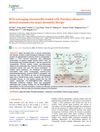
October 2025 in “Nano Research” In this study, researchers developed a dissolvable microneedle patch combining HA-TEMPO and Portulaca oleracea L.-derived nanoparticles, which effectively reduced oxidative stress and inflammation in an atopic dermatitis model while restoring immune balance, suggesting a promising treatment strategy.
5 citations
,
September 2013 in “BMB Reports” In this study, the anti-wrinkle effect of bone morphogenetic protein receptor 1a extracellular domain was significantly greater than that of retinoic acid in a mouse model, suggesting potential for BMP antagonists in skin or hair treatments.
 January 1981 in “The Journal of Toxicological Sciences”
 In this study, beagle dogs treated with hydrocortisone 17-butyrate 21-propionate ointment showed various toxic effects, including acne-like skin changes and organ atrophy, which returned to normal after a recovery period.
 35 citations
,
October 2006 in “Journal of Dermatology”
35 citations
,
October 2006 in “Journal of Dermatology” This study outlines the clinical features of androgenetic alopecia in Korean adolescents, finding milder symptoms compared to adults and a high occurrence of family history, with normal hormone levels.
May 2023 in “Zenodo (CERN European Organization for Nuclear Research)” In this review, researchers synthesized current knowledge on Eclipta alba (Bhringaraja) from traditional Ayurvedic texts and scientific literature, reporting its wide range of pharmacological properties, including hepatoprotective, antioxidant, antimicrobial, and anticancer effects, attributed to its chemical compounds like wedelolactone.
November 2022 in “Journal of Investigative Dermatology” This study provides evidence that ILC1-like cells can induce alopecia areata in previously healthy human hair follicles, challenging the view that it is solely an autoantigen-dependent autoimmune disease.
 June 2023 in “British Journal of Dermatology”
 This pilot study found that night shift workers showed fewer signs of wrinkle formation compared to day workers, but there were no significant differences in DNA amplification or collagen percentage.
 January 2014 in “Jaypee Brothers Medical Publishers (P) Ltd. eBooks”
 Bimatoprost may help with hair loss.
8 citations
,
March 2005 in “JDDG Journal der Deutschen Dermatologischen Gesellschaft” This case report describes a patient with glaucoma who developed reversible hyperpigmentation and hypertrichosis after using bimatoprost eye drops, aiming to explore prostaglandin analogues' potential roles in hair and depigmentation therapies.
 March 2014 in “Hair transplant forum international”
 This article discusses the various titles given to individuals assisting in hair transplant surgeries and provides no clinical research findings.
3 citations
,
July 2023 in “Biomolecules” This study reports that some human cell surface HLA-I molecules (including HLA-B27) can appear without their usual peptide component, potentially altering immune interactions, influencing arthritis development in specific mice models, and exhibiting upregulation in certain cancer cells.