1 citations
,
May 2025 in “Journal of the European Academy of Dermatology and Venereology” This review by Aceituno et al. found that both baricitinib and ritlecitinib demonstrate strong efficacy for severe alopecia areata, with meaningful hair regrowth by Week 24, but notes limitations like differing trial sizes and potential effect size overestimations.
 February 2024 in “Journal of the European Academy of Dermatology and Venereology”
 In this study, baricitinib for severe alopecia areata showed sustained efficacy over 104 weeks, with most Week-52 responders maintaining significant hair regrowth and some mixed responders improving further with long-term treatment.
![Synthesis, Biological Evaluation, and Molecular Docking of 4-Amino-2H-benzo[h]chromen-2-one Analogs Containing the Piperazine Moiety](/images/assets/2ecf4eed-7dbe-4f1a-83db-739625546cdd/small/31808.jpg) 7 citations
,
August 2019 in “Bioorganic & medicinal chemistry”
7 citations
,
August 2019 in “Bioorganic & medicinal chemistry” This study identified novel 4-Amino-2H-benzo[h]chromen-2-one analogs as potent androgen receptor antagonists that show strong antiproliferative activity against prostate cancer cells, suggesting them as potential lead compounds for therapy development.
July 2026 in “International Journal of Molecular Medicine” In this study, cepharanthine showed potent antiviral effects against tick-borne encephalitis virus in vitro by reducing viral replication and inflammation in human lung and neuroblastoma cells.
February 2026 in “Endokrynologia Polska” This report presents two cases of Berardinelli–Seip syndrome, emphasizing the role of genetic analysis and comprehensive care in managing the variability and complications of this rare condition.
13 citations
,
January 2015 in “Steroids” This study generated a pharmacophoric model for both isoforms of steroidal 5α-reductase using 6-azasteroids, providing a structural framework for designing new inhibitors.
 101 citations
,
November 2011 in “Nature Communications”
101 citations
,
November 2011 in “Nature Communications” Wnt/β-catenin signaling is crucial for cell fusion in placental development.
 28 citations
,
May 2020 in “BMC plant biology”
28 citations
,
May 2020 in “BMC plant biology” This study concluded that GLCAT14A-C genes are crucial for the function of glucuronic acid transfer to AGPs in Arabidopsis, affecting various growth and reproductive traits such as seed germination and root hair growth.
 September 2024 in “Indian Journal of Dermatology Venereology and Leprology”
 Mesotherapy with bicalutamide has limited effectiveness for female hair loss.
14 citations
,
May 2022 in “Cell Reports” In this study, researchers found that basal cell carcinomas with common Hedgehog signaling mutations may require additional mutations to hyperactivate downstream signaling and progress beyond dormancy.
 April 2023 in “Journal of the American Academy of Dermatology”
 This study aimed to evaluate the outcomes of switching between two JAK inhibitors, tofacitinib and baricitinib, in treating alopecia areata, due to the lack of data on their comparative efficacy.
 6 citations
,
February 2023 in “Advances in Therapy”
6 citations
,
February 2023 in “Advances in Therapy” This study found that patients with rheumatoid arthritis, atopic dermatitis, and alopecia areata receiving baricitinib had low incidence rates of adverse events, especially among low-risk individuals, with varying rates among those at higher risk.
 1 citations
,
November 2001 in “Acc Current Journal Review”
1 citations
,
November 2001 in “Acc Current Journal Review” This review found that 5α‐reductase inhibitors were associated with slightly increased rates of decreased libido, erectile and ejaculatory dysfunction, gynecomastia, and mood disorders compared to placebo, though their long-term effects remain unclear.
 351 citations
,
February 2010 in “Nature Cell Biology”
351 citations
,
February 2010 in “Nature Cell Biology” Basal cell carcinoma mostly starts from cells in the upper skin layers, not hair follicle stem cells.
 1 citations
,
January 2013 in “MedChemComm”
1 citations
,
January 2013 in “MedChemComm” This study characterized the SARM PF-05314882, finding it demonstrates anabolic activity in rats with minimal effects on the prostate, seminal vesicles, and luteinizing hormone levels.
 June 2026 in “Journal of health economics and outcomes research”
 This study found that ritlecitinib 50 mg offered a lower cost per responder than baricitinib 2 or 4 mg for treating severe alopecia areata at Weeks 24 and 52, potentially influencing reimbursement decisions.
 5 citations
,
March 2005 in “Journal of The American Academy of Dermatology”
5 citations
,
March 2005 in “Journal of The American Academy of Dermatology”  February 2026 in “Clinical Drug Investigation”
 In this study, patients with severe alopecia areata who were treated with baricitinib 4 mg/day for 48 weeks showed significant improvements in both hair regrowth and nail abnormalities, although the correlation between hair and nail improvement was weak.
15 citations
,
April 2011 in “The journal of investigative dermatology/Journal of investigative dermatology” This study found that A(3)B(5) downregulates melanin production and suppresses melanoma cell growth by promoting proteasomal degradation of TRP-2.
 February 2026 in “Scientific Reports”
 This study predicted that key components of Platycladi Cacumen, such as quercetin and apigenin, may have stable binding interactions with targets involved in androgenetic alopecia.
1 citations
,
May 2017 in “Journal of Clinical Oncology” This study found that applying BPM 31543 twice daily was safe, well-tolerated, and showed signs of reducing chemotherapy-induced alopecia in women receiving taxane-based chemotherapy.
 July 2023 in “GLOBAL JOURNAL FOR RESEARCH ANALYSIS”
 This study explored a new treatment approach using 20% TCA application with topical bimatoprost solution for managing alopecia areata of the eyebrows in cases where traditional treatments failed, offering a potential additional option for difficult cases.
4 citations
,
October 2024 in “Heliyon” This study characterized the CYP154C7 enzyme from *Streptomyces* sp. PAMC26508, highlighting its ability to hydroxylate steroids efficiently, particularly androstenedione, and identified key amino acids important for substrate selectivity and catalytic efficiency.
 16 citations
,
January 2012 in “European Journal of Endocrinology”
16 citations
,
January 2012 in “European Journal of Endocrinology” This study reports an increased frequency of the DI genotype of the ACE gene polymorphism among women with PCOS, notably in those with hyperandrogenism, and an association of the II genotype with insulin resistance.
December 2021 in “Figshare” This study found that BBS7 downregulation in occlusal hypofunctional PDL affects Sonic hedgehog signaling activity, impacting PDL homeostasis.
 December 1998 in “Acta Crystallographica Section C-crystal Structure Communications”
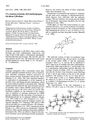
 This study describes the molecular conformation and intermolecular interactions in the crystalline structure of the compound C24H31BrO4.
May 2025 in “Clinical Proteomics” In this study, researchers identified three proteins, DEFB1, HGFAC, and CYB5D2, as potential drug targets for alopecia areata, and suggested that the traditional Chinese medicine ingredient cimigenol shows promise in interacting with DEFB1 for potential treatment.
1 citations
,
December 2020 in “International journal of molecular sciences” This study suggests that biallelic loss of the Hedgehog signaling repressor Patched alone in Keratin 5+ epidermal cells is insufficient to drive basal cell carcinoma development unless exogenous stimuli trigger accumulation of BCC precursor cells.
 March 2024 in “Research Square (Research Square)”
 In this study, researchers discovered that the MafB gene, which is important for macrophage differentiation, shows high expression in the pancreas and is influenced by sex steroids, with varied expression patterns in hamster tissues and during reproductive phases.
3 citations
,
August 2022 in “Biochemical Genetics”