9 citations
,
May 2022 in “Actas Dermo-Sifiliográficas” This study found that basal cell carcinoma exhibits altered expression patterns of CD10, p63, BCL-2, and EMA proteins compared to normal skin, with notable differences in staining and reactivity.

In this study, data from multiple sources found that Baricitinib significantly promoted hair regrowth and improved patient-reported outcomes in those with severe alopecia, with minimal side effects, over a 36-week period.
In this study, conditional inactivation of the Mad2l1 SAC gene in mice led to aggressive and lethal acute lymphoblastic leukemia and hepatocellular carcinoma, demonstrating a link between chromosomal instability and cancer development.
 1 citations
,
June 2018 in “International Journal of Dermatology”
1 citations
,
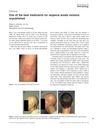
June 2018 in “International Journal of Dermatology” DNCB is highly effective for treating alopecia areata with minimal long-term side effects.
 53 citations
,
October 2012 in “The FASEB Journal”
53 citations
,
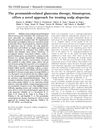
October 2012 in “The FASEB Journal” This study found that bimatoprost stimulated hair growth in both human scalp follicle cultures and mouse pelage in vivo, suggesting it might offer a promising treatment for scalp alopecias.
 61 citations
,
January 2008 in “Cold Spring Harbor Symposia on Quantitative Biology”
61 citations
,
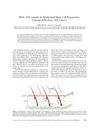
January 2008 in “Cold Spring Harbor Symposia on Quantitative Biology” This review examines beta-catenin's role in stem cell renewal, lineage selection, and tumor formation in the epidermis and reports no new experimental findings.
 November 2022 in “Journal of Investigative Dermatology”
 In this study, analysis of over 800 Iranian patients with epidermolysis bullosa identified 15 with pathogenic PLEC variants, highlighting a correlation between variant locations and phenotypic manifestations of plectinopathies.
This study suggests that finasteride may upregulate BTG2 and CD244 gene expression through differential methylation, indicating potential as a treatment avenue for medulloblastoma.
 January 2026 in “RSC Advances”
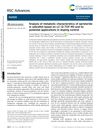
 This study used a zebrafish model and advanced mass spectrometry to identify 11 metabolites of epristeride, revealing significant effects on purine metabolism and aromatic amino acid biosynthesis, which may aid in developing anti-doping detection methods.
 2 citations
,
October 1990 in “The Lancet”
2 citations
,
October 1990 in “The Lancet” Some people have a genetic variation that makes them less effective at breaking down drugs.
 June 2023 in “Faculty Opinions – Post-Publication Peer Review of the Biomedical Literature”
 Bicalutamide mesotherapy improved hair density in women with hair loss and was well received.
 September 2024 in “Journal of the American Academy of Dermatology”
 In this study, patients with severe alopecia areata treated with baricitinib showed continued improvement in scalp hair regrowth from weeks 52 to 152, particularly among those initially responding with eyelash or eyebrow regrowth but not scalp hair, with 39% achieving substantial regrowth by week 104.
July 2024 in “Journal of Investigative Dermatology” This study suggests that macrophages, especially CD206+ subsets, play a key role in hair growth induced by squaric acid dibutyl ester, a therapy used for alopecia areata.

In this study, baricitinib was used as monotherapy to treat a 21-year-old woman with severe alopecia areata, resulting in significant hair regrowth and reduced alopecia severity within three months, suggesting its effectiveness and potential as a robust treatment option for this condition.
 March 2026 in “Indian Journal of Dermatology”
 This study documented a case where the medication baricitinib effectively promoted hair regrowth in a woman with alopecia areata but also led to an unexpected side effect of hypertrichosis, suggesting a need to further explore the JAK/STAT pathway's role in hair growth dynamics.
 June 2026 in “arXiv (Cornell University)”
 This study proposes a new test for genome-wide association studies that incorporates Hardy-Weinberg equilibrium into SNP analysis, demonstrating improved power and interpretability over traditional methods, as evidenced by simulations and an alopecia study dataset.
This study found that VDAC2 promotes apoptosis in secondary hair follicle stem cells of Albas cashmere goats by activating the P53 signaling pathway, with knockdown of VDAC2 reducing apoptosis and a P53 inhibitor partially rescuing VDAC2-induced apoptosis.
January 2019 in “Spectrum Research Repository (Concordia University)” This study observed that topiramate treatment in female zebrafish may impair genetic transmission to offspring, reducing expression of certain skeletal development-related genes in embryos.
 3 citations
,
January 2003 in “Synthetic Communications”
3 citations
,
January 2003 in “Synthetic Communications” This research describes the synthesis of 16β-chloro- and 16β-bromo-cyproterone acetate, detailing the chemical processes involved, but reports no clinical outcomes.
 234 citations
,
September 2004 in “Clinical cancer research”
234 citations
,
September 2004 in “Clinical cancer research” In this Phase II study, BAY 43–9006, taken orally for renal cell carcinoma, stabilized disease in 30% of patients, with 40% responding positively, although the targets remain unclear.
July 2022 in “Dermatologic Therapy” August 2015 in “Bangladesh Journal of Pharmacology” This study determined that the genome size of Eclipta alba is 4.27 billion base pairs and Aloe barbadensis is 4.42 billion base pairs, providing data for potential future research.
4 citations
,
January 2010 in “International journal of trichology” Bexarotene gel shows promise as a new treatment for alopecia areata.
 September 2023 in “Research Square (Research Square)”
 This study describes the development of a prototype clinical expert system that uses a belief rule-based inference methodology to improve the risk stratification and diagnosis of polycystic ovary syndrome by addressing uncertainties in clinical data and domain knowledge.
 January 2024 in “Zenodo (CERN European Organization for Nuclear Research)”
 This meta-analysis utilized genome-wide association data to explore the genetic traits related to perceived youthfulness across different sex groups in the UK Biobank, incorporating factors like facial aging and lifestyle habits, but the abstract does not report specific results.
 7 citations
,
March 2022 in “Molecules”
7 citations
,
March 2022 in “Molecules” This study found that 5-bromo-3,4-dihydroxybenzaldehyde (BDB) promoted hair growth in rat vibrissa follicles by activating Wnt/β-catenin and autophagy pathways and inhibiting the TGF-β pathway in dermal papilla cells.
In this retrospective study, researchers found that baricitinib was effective for treating moderate to severe alopecia areata, with response rates in 24 patients comparable to existing real-world data, and no new safety concerns were identified.
January 2026 in “RSC Medicinal Chemistry” This review highlights advancements in the synthesis and biological applications of 2,5-Diazabicyclo[2.2.1]heptane, a scaffold in medicinal chemistry, focusing on its construction strategies and potential use in treatments for cancer, neurological disorders, and infections.
 March 2011 in “European Urology Supplements”
 CEC levels may be a useful marker for predicting prostate cancer progression.
8 citations
,
August 1987 in “The Journal of Dermatology” This study reports that the monoclonal antibody BKN-1 specifically stained basal cell epithelioma cells and certain normal skin structures, indicating a similarity in keratin expression between the tumor and follicular epithelium below the isthmus portion.